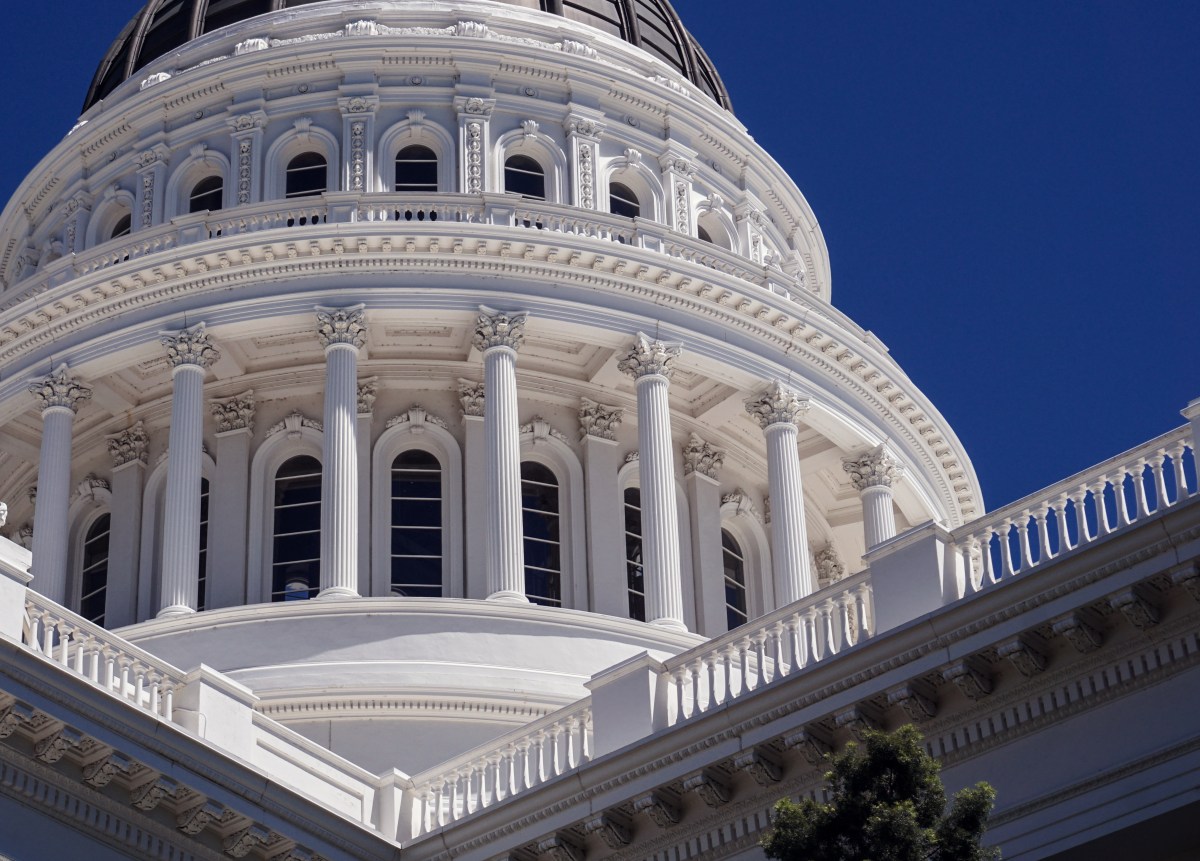
California Advances New AI Safety Legislation Targeting Major Tech Firms
California’s state Senate has recently passed a significant piece of legislation aimed at regulating artificial intelligence: Senate Bill 53 (SB 53). The bill now awaits Governor Gavin Newsom’s decision to either sign it into law or veto it.
From Last Year’s Veto to a More Focused Approach
This development follows Newsom’s veto of a broader AI safety bill last year, also authored by Senator Scott Wiener. Unlike its predecessor, SB 53 narrows its scope, concentrating specifically on large AI companies with annual revenues exceeding $500 million. This targeted approach aims to regulate industry giants such as OpenAI and Google DeepMind, while sparing smaller startups from the full weight of the legislation.
Key Provisions of SB 53
SB 53 introduces several important requirements for qualifying AI developers. These include mandatory publication of safety assessments for their AI models, obligatory reporting to government authorities in the event of any AI-related incidents, and protections for employees to confidentially report safety concerns without fear of retaliation. These measures represent a meaningful attempt to impose accountability on powerful AI labs, a regulatory gap that has persisted for over two decades.
Why California’s Role Is Crucial
California’s influence in the AI sector cannot be overstated. While not every major AI company is headquartered in the state, many maintain substantial operations here, making it a critical hub for AI innovation and development. The state’s regulatory actions often set precedents that ripple across the nation, underscoring the importance of California’s leadership in AI governance.
Balancing Regulation and Innovation
One of the bill’s notable features is its exemption of smaller startups from the most stringent requirements. This carve-out addresses concerns that heavy-handed regulation could stifle innovation within California’s vibrant startup ecosystem, which contributes significantly to the state’s economy. Startups will still need to provide some safety information, but the obligations are less burdensome compared to those imposed on industry leaders.
Federal vs. State Dynamics in AI Regulation
The broader regulatory environment for AI is evolving rapidly. The current federal administration has signaled a more cautious approach to AI oversight, with some legislative proposals aiming to restrict states from enacting their own AI regulations. Although such measures have not yet been enacted, they highlight a potential conflict between federal authorities and states like California that are pushing for stricter AI governance. This tension could shape the future landscape of AI policy in the United States.
Industry and Expert Perspectives
Supporters of SB 53 argue that it provides a practical framework for holding AI companies accountable without hindering technological progress. For example, Anthropic, a leading AI research company, has publicly endorsed the bill, signaling industry recognition of the need for responsible AI development. Experts emphasize that transparency and employee protections are critical components in mitigating risks associated with increasingly powerful AI systems.
Looking Ahead: The Future of AI Safety Legislation
As AI technologies continue to advance and integrate into everyday life, regulatory efforts like SB 53 represent early but essential steps toward ensuring these systems are developed and deployed safely. California’s initiative may inspire other states and federal policymakers to adopt similar measures, fostering a more comprehensive and coordinated approach to AI safety nationwide.
Published on October 27-29, 2025