While AI is known to make up information and give false information, Google and Westinghouse Electric have partnered to use generative AI models to optimize the operation of nuclear reactors and to improve how they are built.
The companies are aiming to combine Westinghouse’s “nuclear-specific” Hive genes system and its “nuclear-aware” Large Language Model (LLM), Bertha, with Google Cloud technology and expertise in order to streamline the construction of new nuclear reactors and improve the performance and efficiency of existing reactors. Westinghouse interim CEO Dan Sumner said that the AP1000 pressurized-water reactor design was the only fully licensed modular reactor currently available. According to the deal announcementthe technology is trained on “75 years of proprietary data, knowledge, and expertise,” according to the announcement. Ironically, an increasing number of datacenters are being built in the US for the purpose of developing and training ever more sophisticated AI models.
Google also signed an agreement worth more than $3 billion to provide up to 3,000MW of hydroelectric energy to the US grid. The deal with Brookfield Asset Management involves a Power Purchase Agreement (PPA), which will last for 20 years, to support Google’s operations in the PJM interconnection and Midcontinent Independent System Operator power regions. Recent Deloitte Insights report estimated that the energy needed by AI datacenters could be 30 times higher in America in a decade.
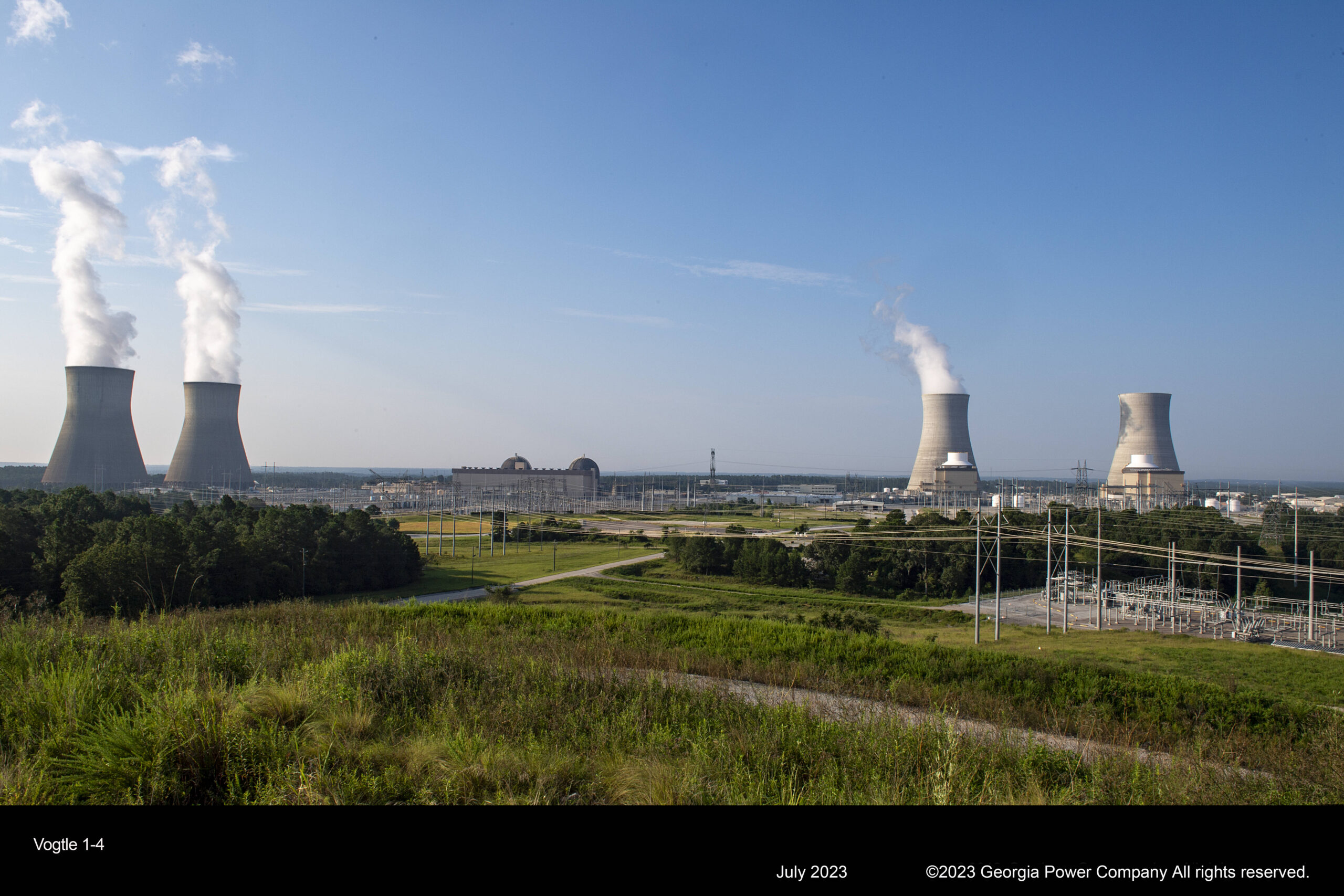
Westinghouse reports that there are six AP1000 units currently in full commercial operation – two in the US, four in China, plus three planned for Poland, two Bulgaria, and nine Ukraine. The company claims that the reactor design is equipped with passive safety systems which will shut it down in the event of an accident. The UK government is playing power broker to small modular reactor suitors.
They claimed to have already achieved a Proof-of-Concept for the technology. The Westinghouse WNEXUS platform for digital plant design was combined with HiVE AI, Google Cloud technologies (including Vertex AI, Gemini and BigQuery), and the Westinghouse WNEXUS digital construction work packages.
Westinghouse stated that HiVE and bertha would be used to optimize the new deployments of AP1000 reactors as well as smaller AP300 small modules reactors and even smaller eVinci Microreactors. The company believes that its AI solutions can also support power plant operations.
eVinci, a reactor currently under development with funding from the US Department of Energy (), is expected to generate 5 MW of electricity for eight years.
We hope that Google and Westinghouse do not find that their AI solutions require constant human checking in order to ensure that they do not mess up and that they get things right about 70% of the time. (r)