Controversy Surrounding the Death of Former OpenAI Researcher Suchir Balaji
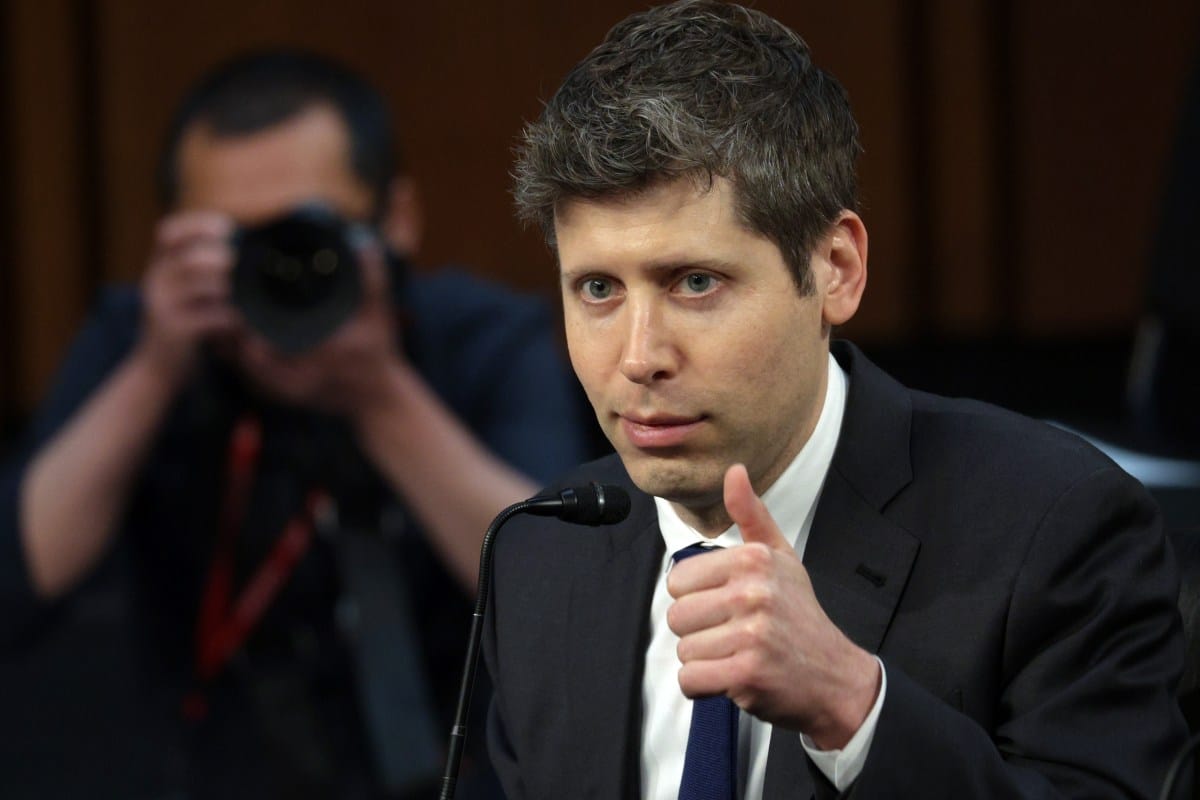
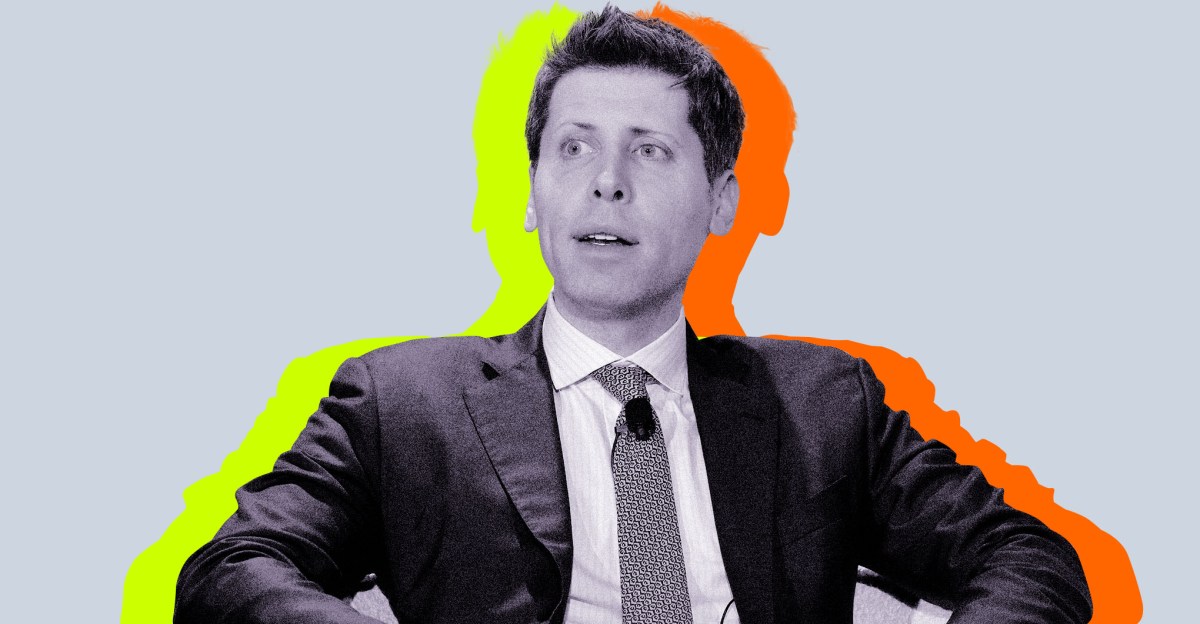
In a recent discussion featuring OpenAI CEO Sam Altman and former Fox News host Tucker Carlson, a contentious theory emerged regarding the death of Suchir Balaji, a former researcher at OpenAI. Balaji’s passing in November 2024 was officially classified as a suicide by San Francisco authorities. However, this conclusion has been met with skepticism, particularly after Balaji publicly criticized OpenAI’s technology for alleged copyright infringements through statements and a New York Times article.
Allegations and Public Doubts
During the interview, Carlson expressed his belief in a conspiracy theory suggesting that Balaji was murdered, citing claims from Balaji’s mother who alleges that her son’s death was orchestrated to protect OpenAI’s interests. Carlson highlighted suspicious circumstances, such as cut surveillance wires, the absence of a suicide note, and Balaji’s recent activities that did not indicate suicidal intent. He also mentioned that Balaji had just returned from a vacation and had recently spoken with family members, further questioning the official narrative.
Sam Altman’s Response and Investigation Findings
Altman responded by referencing the police investigation, which found no evidence contradicting the suicide ruling. He expressed discomfort over having to defend himself against such accusations, emphasizing the lack of any direct communication with law enforcement regarding the case. Altman also noted that Balaji’s mother declined his offer to speak with her, adding complexity to the situation.
Balaji’s Critique of OpenAI and Legal Perspectives
Balaji had argued, using mathematical and analytical methods, that OpenAI’s use of copyrighted material violated intellectual property laws and that AI technologies like ChatGPT could be detrimental to the internet ecosystem. However, legal experts specializing in intellectual property, as reported by Fortune, have challenged his interpretations, suggesting that his understanding of copyright law was flawed. Unlike some whistleblowers who have revealed new information about AI companies, Balaji did not provide novel evidence.
Support for the Murder Theory and Public Figures’ Involvement
Balaji’s mother has been vocal in her belief that her son was killed to benefit OpenAI and other AI corporations. She points to the lack of a suicide note and expert analyses she commissioned as reasons to doubt the official cause of death. Her claims gained wider attention after appearing on Carlson’s show in a segment titled “Mother of Likely Murdered OpenAI Whistleblower Reveals All, Calls for Investigation of Sam Altman.” Since then, prominent figures including Elon Musk and several elected officials have echoed her concerns, fueling public debate.
Key Excerpts from the Interview
Carlson: “I believe he was definitely murdered. There were clear signs-surveillance cameras were disabled, and he had just returned from a trip with friends. There was no indication of suicidal thoughts, no note, and he had recently spoken with family. Finding him deceased in multiple rooms with blood present seems impossible to explain as suicide.”
Altman: “I have not spoken to the authorities about this.”
Carlson: “His mother claims he was killed on your orders.”
Altman: “Do you truly believe that?”
Carlson: “I’m questioning it. I think it deserves investigation. There’s no evidence of depression, and signs of a struggle were present. If he were your friend, you’d want to speak with his mother.”
Altman: “I offered to speak with her, but she declined.”
Carlson: “Do you think people will consider this plausible? It reflects broader anxieties about AI and its impact.”
Altman: “I haven’t faced many interviews where I’m accused like this.”
Carlson: “I’m not accusing you, just relaying what his mother said.”
Contextualizing the Debate
This dialogue underscores the growing tensions surrounding AI development, transparency, and ethical concerns. As AI technologies continue to evolve rapidly, public scrutiny intensifies, especially when whistleblowers raise alarms about corporate practices. The case of Suchir Balaji remains a focal point for discussions about accountability and the human cost of technological advancement.
For those interested in viewing the full interview segment, it is available through various media platforms covering AI industry developments.