Unveiling the Deepfake Phenomenon: Navigating the Age of Synthetic Media
Imagine watching a video where a public figure appears to utter statements they never actually made, or seeing a famous personality promote a product they have never tried. Perhaps you receive an audio message from a close acquaintance that sounds suspiciously altered. Yet, there are no technical glitches or obvious signs of tampering-just seamless, pixel-perfect content that blurs the line between reality and fabrication.
The Rise of Deepfakes: A New Frontier in Digital Deception
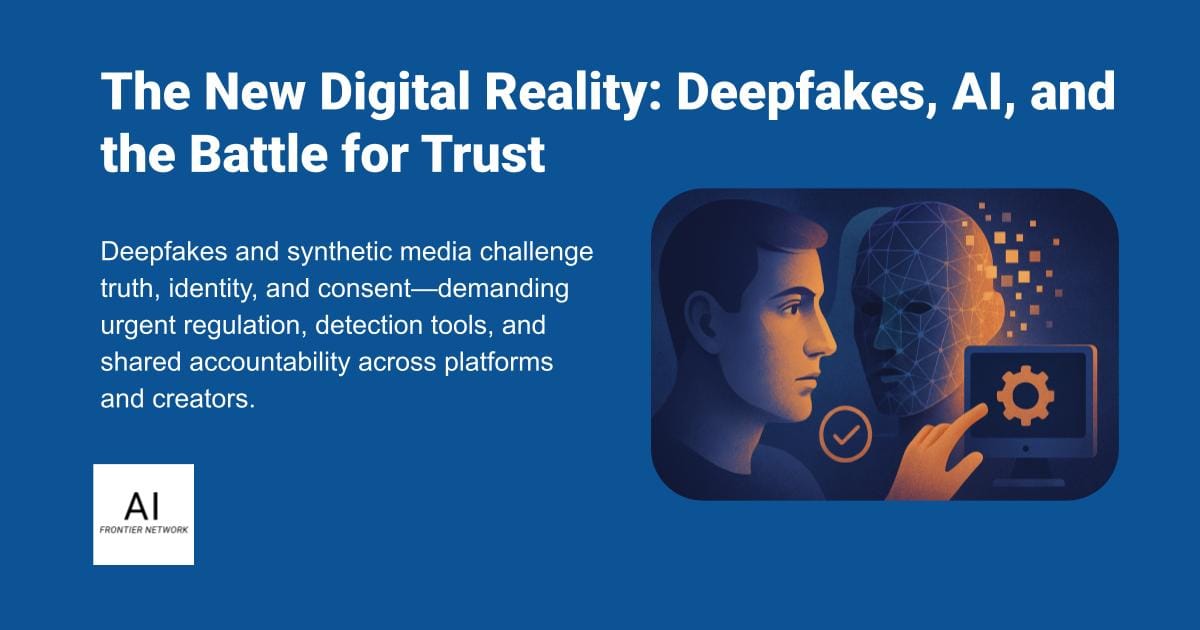
Welcome to the world of deepfakes, a rapidly evolving form of synthetic media generated through advanced artificial intelligence techniques. These hyper-realistic manipulations have become increasingly sophisticated, making it challenging to distinguish genuine content from fabricated illusions. As of 2024, studies estimate that deepfake videos have surged by over 900% in the past two years alone, underscoring the urgency of understanding and addressing this phenomenon.
How Deepfakes Are Crafted: The Technology Behind the Illusion
Deepfakes are created using deep learning algorithms, particularly generative adversarial networks (GANs), which analyze vast datasets of images and audio to produce convincing replicas. Unlike traditional editing, these AI-driven methods can synthesize entirely new footage or audio that mimics the target’s voice and appearance with uncanny accuracy. For example, a deepfake might seamlessly transplant an actor’s face onto another person’s body in a movie scene, or generate a realistic speech by a politician that never occurred.
Implications and Challenges: Trust in the Digital Age
The proliferation of deepfakes poses significant challenges across multiple sectors. In politics, fabricated videos can be weaponized to spread misinformation and manipulate public opinion. In the corporate world, fake endorsements or fraudulent communications can damage reputations and lead to financial losses. Even personal relationships are vulnerable, as manipulated media can sow distrust and confusion among friends and family.
Combating Deepfakes: Tools and Strategies for Verification
To counteract the threat of deepfakes, researchers and technology companies are developing detection tools that analyze inconsistencies in lighting, facial movements, and audio patterns. Platforms like Microsoft’s Video Authenticator and initiatives such as the Deepfake Detection Challenge are at the forefront of this effort. Additionally, educating users to critically evaluate digital content and verify sources remains crucial in fostering media literacy.
Looking Ahead: The Future of Synthetic Media
As AI technology continues to advance, the line between authentic and artificial content will become increasingly blurred. While deepfakes present risks, they also offer creative opportunities in entertainment, education, and accessibility. The key lies in balancing innovation with ethical considerations and robust safeguards to ensure that synthetic media enhances rather than undermines trust in our digital world.