

How Software Dominates Cybersecurity Spending Amid AI-Driven Threats in 2026
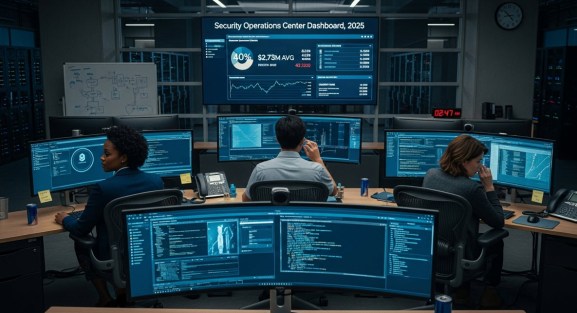
In 2026, cybersecurity budgets are undergoing a significant transformation, with software investments now accounting for nearly 40% of total spending. Chief Information Security Officers (CISOs) are recalibrating their strategies to address the escalating challenges posed by artificial intelligence (AI)-powered cyberattacks. This shift reflects a broader trend where software solutions are becoming the cornerstone of defense mechanisms against increasingly sophisticated digital threats.
The Rising Importance of Software in Cyber Defense
As cyber adversaries leverage AI to automate and enhance their attack methods, organizations are compelled to prioritize software tools that can detect, analyze, and respond to threats in real time. Modern security software integrates machine learning algorithms and behavioral analytics, enabling faster identification of anomalies and reducing response times. This evolution has led to a surge in software procurement, overshadowing traditional hardware-centric approaches.
Strategic Budget Reallocation by CISOs
CISOs are increasingly reallocating funds from legacy infrastructure to advanced software platforms that support AI-driven security operations centers (SOCs). These platforms facilitate automated threat hunting, incident response, and continuous monitoring, which are critical in countering AI-enhanced cyber threats. According to recent industry surveys, over 60% of security leaders plan to increase their software budgets by at least 15% in the coming fiscal year.
Real-World Impact: Case Studies and Trends
For instance, a multinational financial institution recently deployed an AI-powered security orchestration platform that reduced incident response times by 35%, demonstrating the tangible benefits of software-centric cybersecurity investments. Similarly, healthcare providers are adopting AI-enabled software to protect sensitive patient data from increasingly complex ransomware attacks, highlighting the cross-industry relevance of this trend.
Looking Ahead: Preparing for AI-Driven Cybersecurity Challenges
As AI continues to evolve, cybersecurity strategies must adapt accordingly. Investing in cutting-edge software solutions not only enhances threat detection capabilities but also supports proactive defense measures. Organizations that embrace this shift will be better positioned to safeguard their digital assets against the next generation of cyber threats.