Showrunner’s Ambitious AI Project to Reconstruct Orson Welles’ Lost Film Footage
Reviving a Cinematic Classic Through Advanced AI Technology
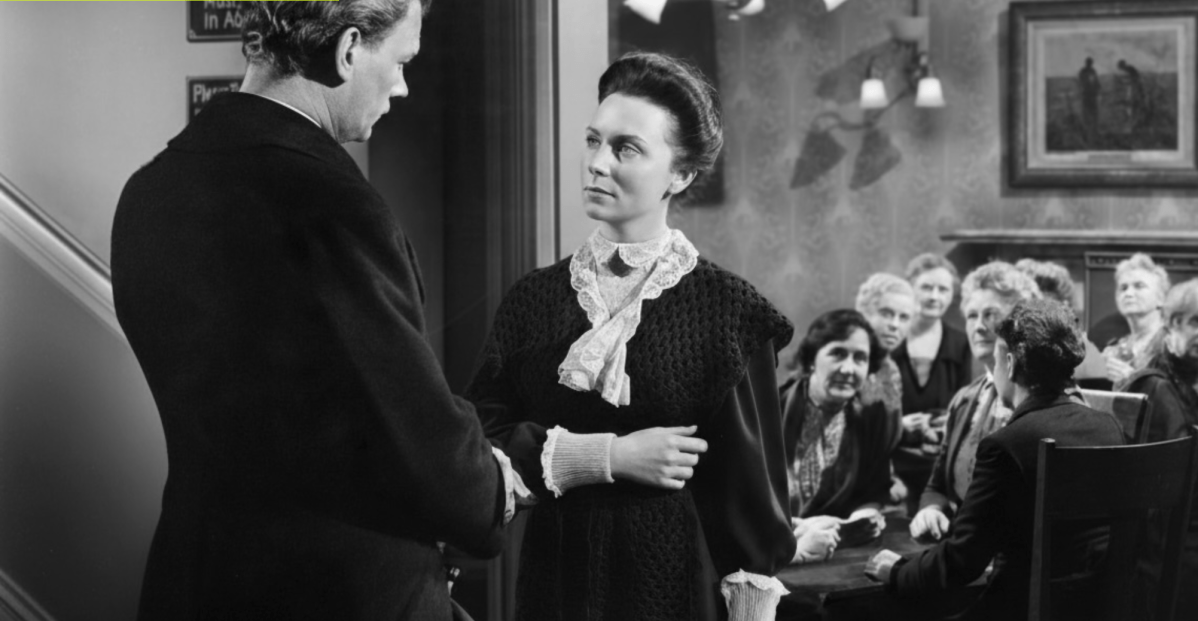
Showrunner, a pioneering startup aiming to transform the entertainment landscape by monetizing AI-generated videos featuring copyrighted intellectual property, has embarked on an innovative endeavor to restore missing scenes from Orson Welles’ 1942 masterpiece, The Magnificent Ambersons. This film, adapted from Booth Tarkington’s 1918 novel, chronicles the decline of a wealthy family amid the rise of industrialization.
The Historical Context and Challenges of The Magnificent Ambersons
Originally, Welles completed a 131-minute cut of the film, but after RKO Pictures took over production, the final released version was re-edited to 132 minutes without Welles’ approval. The director subsequently disowned this version, citing creative differences and dissatisfaction with the studio’s alterations. Despite these challenges, Welles’ original cut was nominated for four Academy Awards and remains highly regarded among cinephiles as one of his finest works.
Leveraging Generative AI to Reimagine Lost Footage
Showrunner’s co-founder, Edward Saatchi, recently shared insights into the project, acknowledging that current generative AI technology struggles to sustain long-form narratives but is rapidly advancing toward creating entire films. The company plans to blend AI-generated approximations with live-action performances, digitally altering actors’ faces to resemble the original cast, thereby reconstructing the missing sequences in a manner faithful to Welles’ vision.
Technical Approach and Tools
The startup’s proprietary AI system, FILM-1, will generate keyframes to fill in the gaps left by lost footage. Additionally, archival set photographs will be utilized to build immersive spatial environments, enhancing the authenticity of the recreated scenes. This hybrid method aims to honor Welles’ detailed editing notes and original shooting script, ensuring the restoration aligns closely with his artistic intent.
Collaboration and Legal Considerations
Showrunner is collaborating with filmmaker Brian Rose, who has previously worked on projects related to The Magnificent Ambersons. Rose highlighted the complexity of populating scenes with digitally recreated characters, especially given that Warner Bros. Discovery holds the intellectual property rights to the film. While legal uncertainties remain, the team is adopting a “seek forgiveness later” philosophy to push creative boundaries.
Ethical and Commercial Perspectives
Showrunner has previously attracted attention for releasing unauthorized AI-generated episodes of popular shows like South Park. However, for the Ambersons restoration, the company is deliberately avoiding monetization to sidestep legal conflicts. Saatchi emphasized that the primary goal is to bring this lost cinematic work back into public consciousness nearly 80 years after its original release, potentially answering the long-standing question of whether it could have been one of the greatest films ever made.
Future Prospects and Industry Impact
Should intellectual property holders express interest, Showrunner is open to transferring the restored content for commercial or educational use. The startup is also exploring partnerships with major entertainment companies to expand the application of its AI technology, signaling a new era where artificial intelligence could play a pivotal role in film restoration and content creation.