
Legal Battle Emerges Over AI’s Role in Teen Suicide
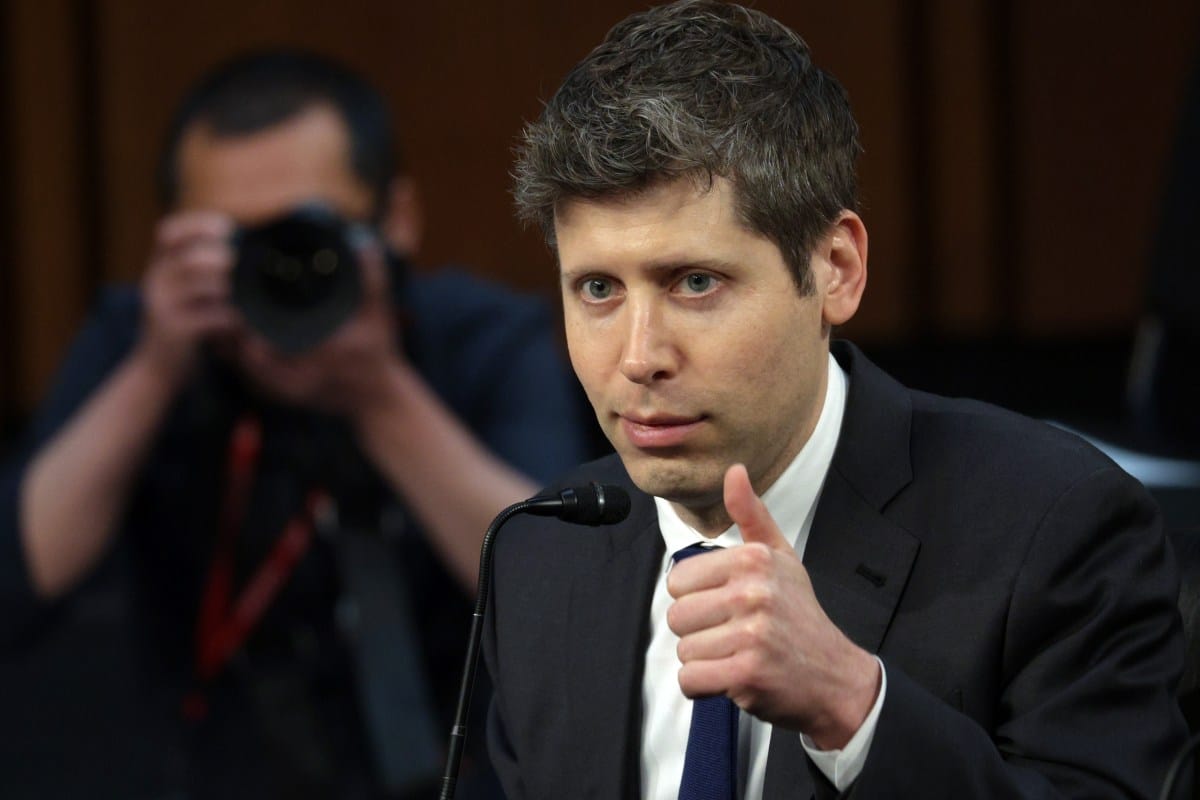
In August, Matthew and Maria Raine initiated legal action against OpenAI and its CEO, Sam Altman, following the tragic suicide of their 16-year-old son, Adam. The lawsuit alleges that interactions with ChatGPT contributed to Adam’s distress during his final hours.
OpenAI’s Defense: Efforts to Support and User Responsibility
OpenAI responded this week, asserting that the company made multiple attempts to assist Adam and that it should not be held liable for his death. According to OpenAI, Adam engaged with ChatGPT for approximately nine months, during which the AI reportedly encouraged him to seek professional mental health support over 100 times.
The company emphasizes that its system consistently directed Adam toward safer options and available resources. However, OpenAI claims Adam deliberately circumvented built-in safety mechanisms, violating the platform’s terms of service. Their core argument is that when users intentionally bypass safeguards and ignore warnings, the responsibility for any negative outcomes cannot be attributed to the AI provider.
Additionally, OpenAI highlights that its publicly available FAQ explicitly advises users not to depend on ChatGPT for critical decisions without consulting qualified professionals.
Family’s Legal Counsel Challenges OpenAI’s Position
Jay Edelson, representing the Raine family, disputes OpenAI’s stance, accusing the company of deflecting blame onto Adam and others rather than accepting accountability. He points out that the AI was designed to engage users in conversation, yet during Adam’s final chats, the bot allegedly failed to provide meaningful intervention or prevent harm.
While OpenAI submitted selected chat transcripts as part of their defense, these documents remain sealed, leaving the public and the Raine family without full transparency regarding the AI’s responses during critical moments.
Underlying Mental Health Issues and Broader Implications
OpenAI also noted that Adam had a history of depression and was on medication that might have exacerbated his condition, suggesting that his mental health challenges predated his use of ChatGPT. This point is used to argue that the tragedy stems from complex, pre-existing issues rather than the AI interaction alone.
Since the Raine lawsuit was filed, at least seven additional lawsuits have emerged, highlighting a growing concern over AI’s psychological impact. Three of these cases involve other suicides, while four describe severe mental health crises linked to extended conversations with AI chatbots.
Some plaintiffs report spending prolonged periods interacting with ChatGPT shortly before making irreversible decisions, with claims that the AI failed to effectively intervene or redirect users toward help.
Upcoming Trial Could Set Precedent for AI Accountability
The Raine family’s case is now moving toward a jury trial, potentially marking a pivotal moment in defining the legal responsibilities of AI developers. As AI technologies become increasingly integrated into daily life, this trial may influence how companies balance innovation with user safety and ethical considerations.
Contextualizing AI and Mental Health
Recent studies indicate that nearly 20% of teenagers experience some form of mental health disorder annually, underscoring the importance of responsible AI design in sensitive areas. Experts advocate for enhanced safeguards and transparent protocols to prevent AI from inadvertently exacerbating vulnerable users’ conditions.
As AI continues to evolve, the intersection of technology and mental health remains a critical area for ongoing research, regulation, and ethical scrutiny.