NotebookCheck.net News: LG Display tests JDI eLEAP technology, promising brighter and more efficient panels – 19459000
LG Display is exploring Japan Display’s new maskless OLED production techniques, which could reduce costs and improve screen performance. Competition is also active, as Samsung and others reportedly are considering eLEAP.
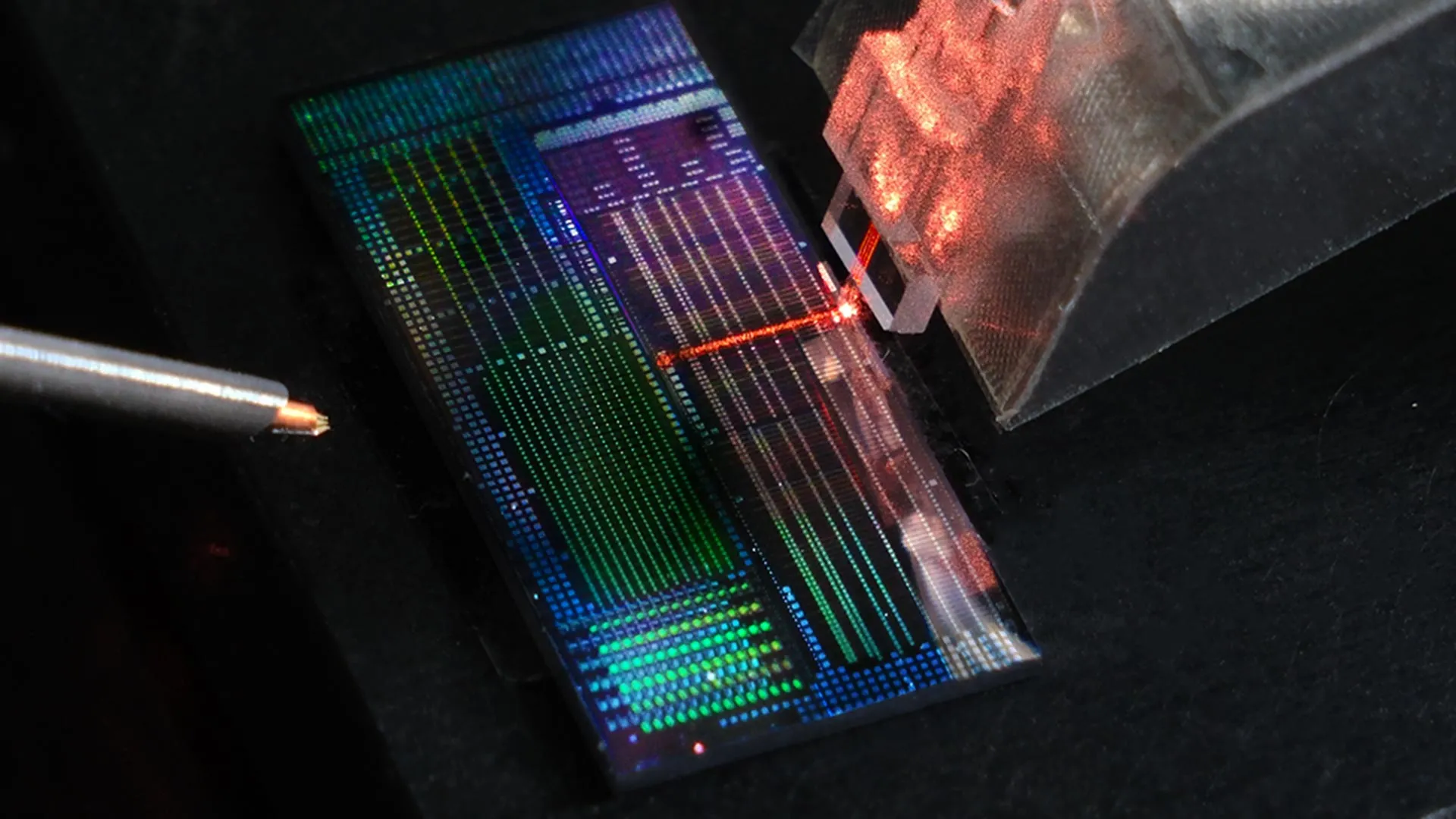
LG Display is developing and testing Japan Display (JDI’s) eLEAP technology, which doesn’t use FMM. eLEAP uses lithography instead to pattern the red, green, blue OLED materials. This allows for a fine pixel and higher aperture ratios. JDI claims that a new technique doubles the aperture ratio compared to conventional FMM OLEDs, increasing light-emitting efficiency by 28% to 60%.
Testing is being done on LG Display’s E4 line in Paju, South Korea. This line produces large OLED screens for TVs. The company already has all the necessary CVD and thin film encapsulation equipment compatible with eLEAP. This allows for a quick evaluation and minimal capital investment.
LG Display has not yet decided whether to adopt eLEAP in mass production. However, the company believes that the technology could be used for niche OLED markets like 2030-inch automotive displays and monitors. It is a good candidate for pilot operation, as the Paju facility has a lower utilization rate and most TV OLED panels are manufactured in Guangzhou.
eLEAP panel offers many benefits, including increased brightening, reduced power consumption and the ability to create flexible, formable displays. The company claims that its technology extends OLED panel life by three times more than panels using FMM and provides a brightness that is over twice as bright as current FMM-based OLEDs. These advantages are in line with the market’s demand for energy-saving displays that perform well, such as those used in VR headsets and wearables. They also meet the needs of the automotive industry.
Samsung Display has also been rumored as considering eLEAP with plans to begin R&D in late 2024. This indicates the industry’s interest for maskless OLED production methods. Vixionox, a Chinese OLED manufacturer, is also working on non-FMM production. It uses ViP branding to promote its next-gen lines of OLEDs. These tests, while the timing of commercialization is still unclear, could be a breakthrough in the OLED industry. FMMs are limited in their design options and can be expensive. If successful, LG Display, along with others, could improve yields, performance, and enable a new generation energy-efficient high-res display for various devices.
Anton Avdyushkin – Translator – 4249 articles have been published on Notebookcheck since 2018
Anton Avdyushkin – Translator – 4249 articles have been published on Notebookcheck since 2018
Anton Avdyushkin (Update: 2025-7- 2)