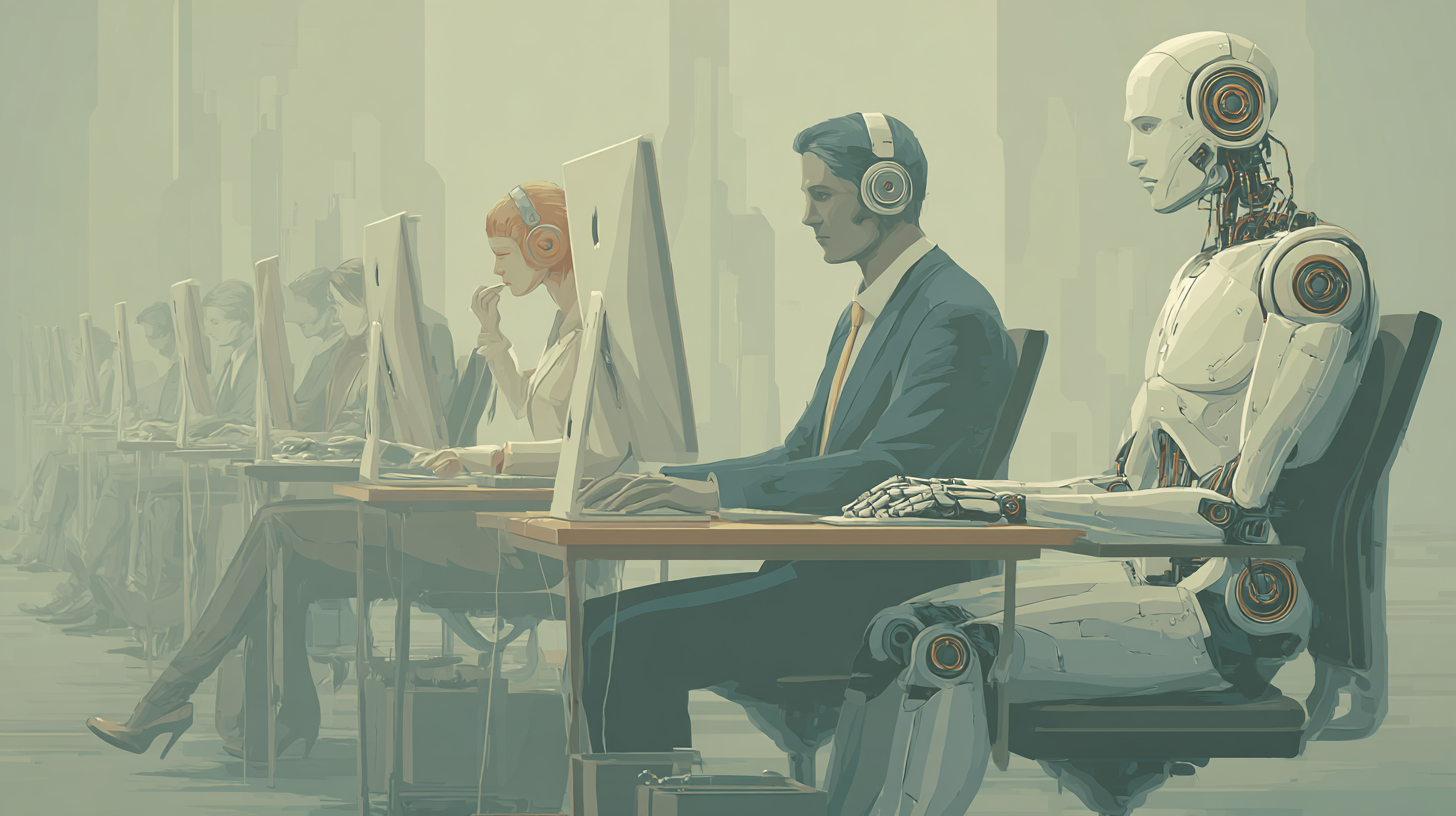
Artificial intelligence is transforming software development by automating mundane coding tasks, streamlining bulky codebases, and detecting bugs instantly. Developers now have the ability to produce clean, organized code simply by describing their needs in natural language, drastically cutting down manual labor. These AI-driven tools analyze extensive repositories of code to provide context-sensitive suggestions that boost efficiency and minimize mistakes. Instead of building everything from the ground up, engineers can rapidly prototype, iterate more swiftly, and dedicate their efforts to tackling more sophisticated challenges.
As AI-powered code generation gains traction, it prompts a reevaluation of how engineering teams are structured and sized. Earlier this year, Garry Tan, CEO of the startup incubator Y Combinator, revealed that roughly 25% of their portfolio companies rely on AI to write over 95% of their software. Tan emphasized, “This shift means founders no longer require large engineering teams of 50 or 100 people, reducing the need for extensive fundraising and stretching capital further.”
While AI coding solutions offer a cost-effective advantage for companies facing budget constraints, the broader implications for the software engineering workforce and industry dynamics warrant careful consideration.
The Impact of AI on Developer Skill Development
The traditional path to mastering software development, which has historically nurtured senior engineers, faces disruption in the AI era. With easy access to advanced large language models (LLMs), junior developers can quickly pinpoint and fix code issues. Although this accelerates project delivery, it risks distancing programmers from the deep engagement necessary to cultivate critical problem-solving abilities. Consequently, many may shy away from the intensive, sometimes frustrating learning experiences essential for evolving into seasoned developers.
Take, for instance, CodeMate, a command-line assistant powered by the latest Claude 3.7 Sonnet model. It automates tasks such as bug detection, test generation, and code refactoring through simple natural language instructions, significantly reducing repetitive manual work and enhancing developer output.
Microsoft has also introduced two open-source platforms-AutoGen and Semantic Kernel-designed to facilitate the creation of autonomous AI agents. AutoGen supports asynchronous communication, modular design, and collaborative agent workflows, enabling complex automation with minimal human oversight. Semantic Kernel offers an SDK that integrates LLMs with popular programming languages like C#, Python, and Java, empowering developers to build AI-driven tools that automate enterprise-level tasks.
The proliferation of such AI tools from companies like Anthropic and Microsoft may inadvertently limit opportunities for developers to hone their skills through hands-on problem solving. Instead of wrestling with debugging or exploring new libraries to unlock features, junior coders might increasingly rely on AI assistance. This trend could lead to a decline in the number of senior engineers with deep, experience-based expertise.
Excessive dependence on AI for coding risks eroding developers’ practical knowledge and grasp of fundamental programming principles. Without consistent practice, they may find it challenging to independently troubleshoot, optimize, or architect systems. This skill degradation threatens to weaken critical thinking, creativity, and adaptability-traits vital not only for coding but also for evaluating the logic and quality of AI-generated code.
Leveraging AI as an Educational Ally in Coding
Despite concerns about AI diminishing developer capabilities, organizations should not dismiss the potential of AI-assisted coding. Instead, they must strategically integrate these tools to complement human learning. When used thoughtfully, AI can serve as an interactive tutor, offering real-time guidance, explanations, alternative approaches, and best practices.
For example, a junior programmer using an AI assistant like Claude Code might receive instant feedback on inefficient code patterns or logical flaws, accompanied by detailed explanations. This approach fosters active learning by helping developers understand the reasoning behind corrections rather than merely applying fixes. The result is a dual benefit: faster project completion while nurturing the coder’s growth.
Moreover, AI-powered frameworks enable developers to experiment by prototyping agent workflows or embedding LLMs without requiring advanced expertise upfront. By engaging with AI-generated code and observing its refinement process, junior developers can internalize coding patterns, architectural choices, and debugging techniques-mirroring traditional learning through trial, error, and mentorship.
Nonetheless, AI tools should not replace human mentorship or collaborative programming practices. Code reviews and pair programming remain indispensable for guiding less experienced team members. The current state of AI does not yet allow it to fully substitute the nuanced guidance provided by seasoned developers.
To maximize benefits, companies and educational institutions can design structured programs that emphasize understanding code rather than just generating it. Encouraging developers to critically assess AI outputs and perform manual refactoring ensures AI acts as a learning partner, not a crutch. This approach transforms AI from a mere tool into a catalyst for accelerated, experiential skill development.
Integrating Automation with Developer Education for the Future
When applied with intention, AI transcends simple code generation to become a powerful teaching aid, merging automation with education to prepare developers for a future where deep comprehension and flexibility remain crucial.
By embracing AI as a collaborative mentor and programming partner, we can close the gap between efficient automation and meaningful learning. This synergy empowers developers to evolve alongside the technologies they employ, ensuring that as AI advances, human expertise grows in tandem-cultivating a new generation of programmers who are both highly productive and profoundly skilled.