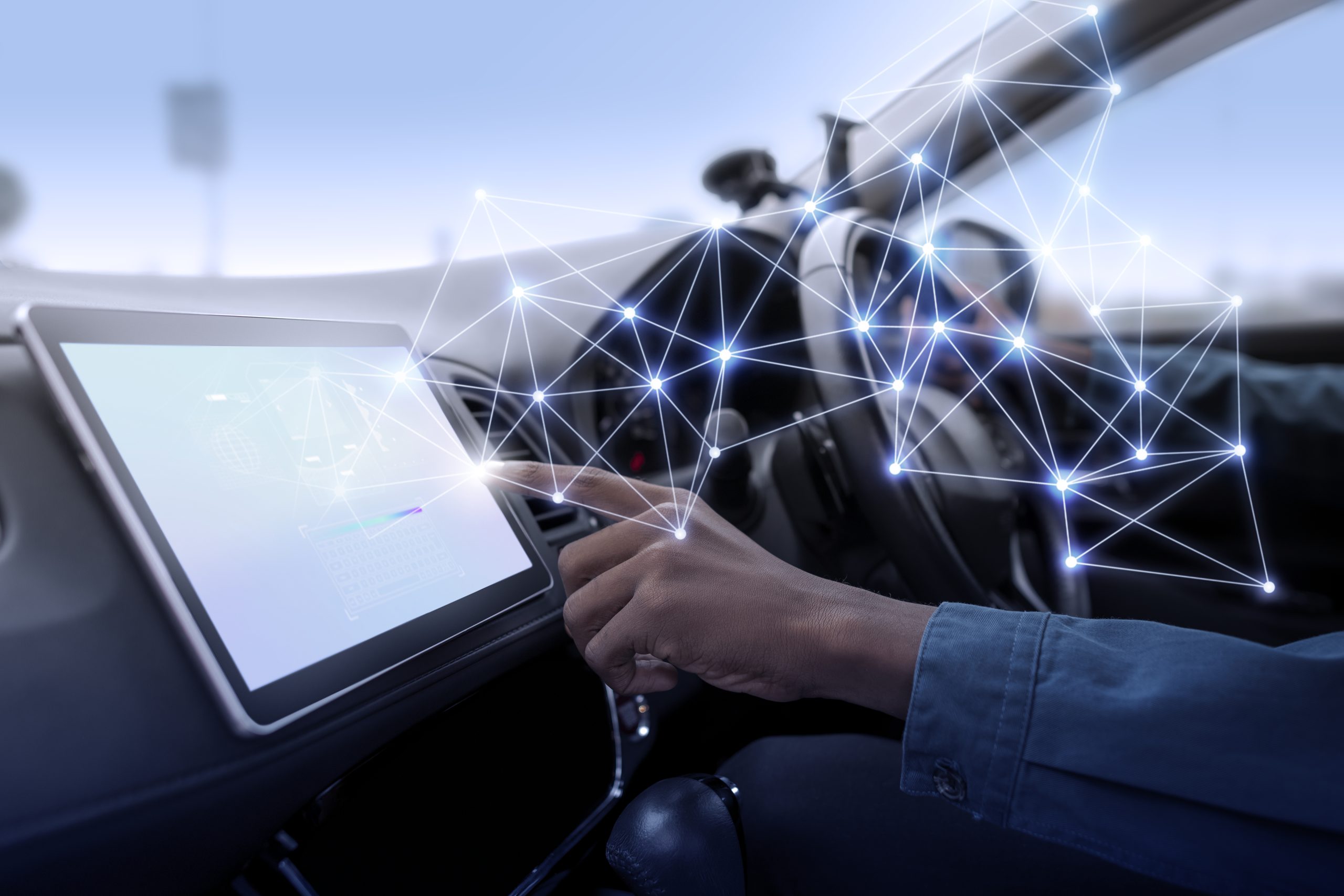
Revolutionizing Fleet Management: The Data-Driven Transformation
Fleet operations have undergone a profound evolution over the past ten years. What was once a straightforward process of monitoring vehicle locations has now transformed into a sophisticated, data-centric discipline. Modern logistics relies heavily on comprehensive data analytics, allowing companies to gain deep insights far beyond simple route tracking and distance measurement.
From Basic Tracking to Intelligent Insights
Previously, fleet managers primarily focused on pinpointing where their vehicles were at any given moment. Today, their role has expanded to interpreting a wealth of real-time information, including driver behavior, fuel consumption, vehicle health, and traffic conditions. This shift empowers decision-makers to optimize routes, reduce operational costs, and enhance safety protocols.
Leveraging Advanced Technologies for Enhanced Efficiency
Innovations such as telematics, IoT sensors, and AI-powered analytics have become integral to fleet management. For instance, telematics systems now provide granular data on engine performance and driver habits, enabling predictive maintenance that minimizes downtime. According to recent industry reports, fleets utilizing these technologies have seen a 20% reduction in fuel expenses and a 15% improvement in delivery times.
Case Study: Smart Fleet Solutions in Action
Consider a national delivery company that integrated AI-driven route optimization software. By analyzing traffic patterns, weather forecasts, and delivery windows, the company reduced idle time by 25% and increased on-time deliveries by 30%. This example highlights how data-driven strategies can directly impact operational success and customer satisfaction.
Future Trends Shaping Fleet Management
Looking ahead, the integration of electric vehicles (EVs) and autonomous driving technology will further redefine fleet operations. Data will play a crucial role in managing EV charging schedules and ensuring autonomous fleets operate safely and efficiently. As sustainability becomes a priority, data analytics will also help fleets minimize their carbon footprint while maintaining productivity.
In summary, the modern fleet manager’s toolkit extends well beyond GPS tracking. By harnessing the power of data and emerging technologies, fleets can achieve unprecedented levels of efficiency, safety, and environmental responsibility.