Limitations of NPUs and the Evolution of AI on Pixel Devices
Neural Processing Units (NPUs) like Gemini Nano have made impressive strides in enhancing on-device AI capabilities. However, their performance still falls short when compared to AI models hosted on large-scale servers that consume significantly more power. This disparity likely explains why certain AI functionalities, such as the Daily Brief-which remains unavailable-struggle to operate effectively on Pixel smartphones. Similarly, Magic Cue, an AI feature designed to provide personalized data based on screen context, faces comparable challenges.
Magic Cue: Early Implementation and Future Potential
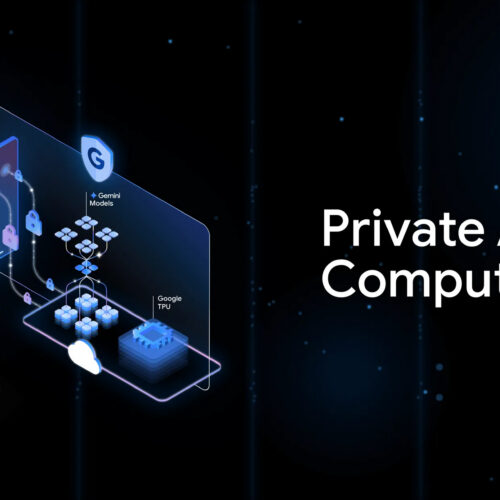
Introduced with the Pixel 10, Magic Cue has so far delivered limited practical benefits. Its initial rollout has been sporadic, and when activated, it rarely offers meaningful or actionable insights. However, Google recently announced enhancements to Magic Cue through integration with the Private AI Compute System, aiming to make the feature more responsive and useful.


Leveraging Cloud and On-Device AI: A Hybrid Approach
The updated Magic Cue will utilize the Private AI Compute System to generate smarter suggestions by processing more complex data patterns. This enhanced model is expected to extract deeper, actionable insights from user data. For example, Google’s Recorder app now supports multilingual summarization by leveraging cloud computing resources, showcasing the benefits of combining local and cloud AI.
Google emphasizes that while more data is being transmitted to the cloud to improve Magic Cue’s recommendations, the company maintains strict security protocols and privacy safeguards. Despite this, there are compelling reasons to continue developing local AI processing: it offers faster response times by eliminating the need to send data externally and ensures functionality even without internet connectivity.
The Road Ahead for Generative AI on Mobile Devices
Google envisions a future where generative AI operates through a hybrid model, balancing on-device processing with cloud-based computation. This approach addresses the substantial processing demands of AI tasks, even those that appear simple on the surface. As cloud infrastructure becomes more secure and efficient, we can anticipate a growing number of AI-powered features migrating to Google’s protected cloud environment, enhancing both performance and user experience on Pixel devices.