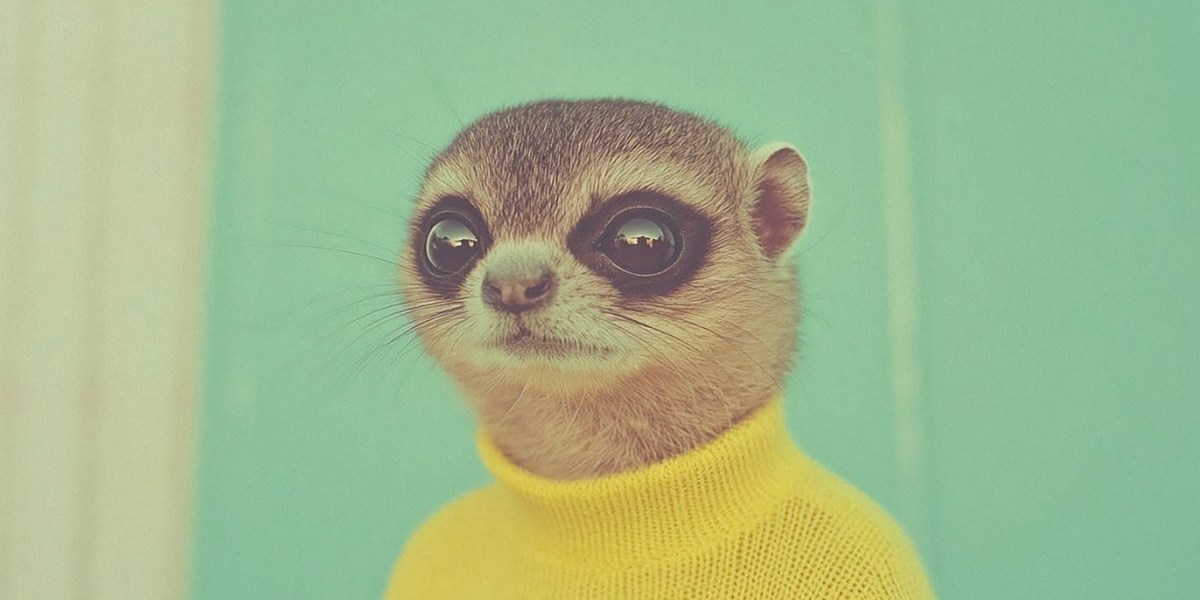
In this era of AI slop it can seem absurd that tools like Midjourney or Runway, which generate art using generative AI, could be used. Shrimp Jesus (19459016) and Ballerina cappuccina (19459016)? But among all the muck there are people who use AI tools with real thought and intent. Some of these AI artists are achieving notable success: They have large online followings, sell their work at auctions, and even exhibit it in museums and galleries.
Jacob Adler is a musician and composer. He won the top prize in the Runway’s Third Annual AI Film Festival for his work. It’s just another tool in the creator’s toolbox.
Accessibility is one of the most striking features of generative AI. You can create any image you want in a short time and without training. This is why AI art has been criticized so much: It’s trivially easy to fill sites like Instagram and TikTok up with nonsense and companies can create images and videos themselves instead of hiring artists. Henry Daubrez created the visuals for The Order of Satoshi a bitcoin NFT that sold at Sotheby’s, for $24,000.
COURTESY THE ARTIST
Henry Daubrez is a designer and artist who created the AI generated visuals for a Bitcoin NFT which sold at Sotheby’s for $24,000. He is now Google’s filmmaker in residence. He says that people who had given up on creativity or who never had time to master any medium are now creating art and sharing it.
However, that doesn’t mean anyone can create the first AI-generated masterpiece. The Denver Art Museum’s permanent collection includes Kira Xonorika’s Trickster, the first piece that uses generative AI.
COURTESY of the Artist
Even if artists have experience in other media, AI is more than a shortcut. Beth Frey is a fine artist with a background in art who shares her AI artwork on Instagramand has over 100,000 followers. She was attracted to the early generative AI tools by the uncanny nature of their creations. She loved the deformed hands, and the haunting depictions that showed people eating. Over time, the errors in the models have been corrected, which is why she hasn’t shared an AI-generated image on Instagram for over a year. “The more it improves, the less it’s interesting to me,” she says. “You have to work harder to get the glitch now.”
COURTESY of the ARTIST
Making AI art can require giving up control, both to the companies that update tools and the tools themselves. Kira Xonorika is a self-described “AI-collaborative artists” whose short film Trickster is the first generative AI work in the Denver Art Museum’s permanent collection. “[What] The element of unpredictableness is what I like most about AI,” says Xonorika. Her work explores themes including indigeneity, nonhuman intelligence and indigenous cultures. “If you are open to that, then it can really enhance and expand ideas that you may have.”
However, the idea of AI being a cocreator or even as an artistic medium is still far from widespread acceptance. For many people, AI art and AI slop are synonymous. Daubrez, who is grateful for the recognition that he has received, has found that pioneering new forms of art against such strong opposition can be an emotional mixed bag. “As long it’s not accepted that AI is a tool just like any other tool, and people will do what they want with it – some of it may be great, others might not be – it’s going to be sweet or sour,” says Daubrez.