If your current PC doesn’t meet the hardware criteria for Windows 11, there’s no need to discard your device. Instead, consider switching to free, efficient alternatives like Chrome OS Flex or various Linux distributions. These operating systems can breathe new life into older machines, allowing you to continue using your hardware securely and productively without purchasing a new computer.
Transitioning to a new OS is cost-free and can be completed in under half an hour. While it may take some time to adjust after years of Windows use, the process is straightforward, and even beginners can start running applications immediately.
Revitalize Your PC with Free Linux and Chrome OS Flex
Both Linux distributions such as Linux Mint and Google’s Chrome OS Flex are designed to run smoothly on aging laptops and desktops. These options provide a secure and efficient way to keep your older hardware functional without the need for Windows 11 compatibility.
While both systems aim to extend the life of your PC, their approaches differ: Linux operates primarily offline with local applications, whereas Chrome OS Flex emphasizes cloud-based functionality.
For newcomers, the best approach is to experiment with one or both systems. They are free to try, and you can always revert to your original Windows setup by backing up your data using tools like Aomei Backupper on an external drive.
Linux, once command-line driven, now features intuitive graphical interfaces that resemble Windows, making the switch less daunting. Linux Mint, in particular, is tailored for users familiar with Microsoft’s environment.
Installation Overview: Begin by creating a bootable USB drive with at least 4 GB capacity. Use Rufus on a Windows PC to load the Linux Mint ISO file, selecting “DD mode” during setup. After backing up your data, boot your old PC from this USB and select “Start Linux Mint Cinnamon 64-bit” to run a live session.
To install Linux permanently, double-click “Install Linux Mint” on the desktop, connect to Wi-Fi, and choose whether to install alongside Windows or replace it entirely. Follow the prompts and restart when installation completes. Upon reboot, you’ll be welcomed by Linux Mint’s setup wizard, which guides you through driver management and system configuration. Most peripherals, including printers, work out of the box.
Getting Started with Chrome OS Flex
Chrome OS Flex can be installed permanently or run as a live system from a USB drive. Unlike standard Chromebooks, Chrome OS Flex does not support Android apps, and installation will erase all existing data on your hard drive, so backing up beforehand is crucial.
Do You Really Need a Traditional PC Anymore?
With over two million apps available on Apple’s App Store and Google Play, smartphones have become incredibly versatile. The question is whether you want to rely solely on a mobile device for your computing needs.
If you find the small screen or touch keyboard limiting, you can easily connect your smartphone to a keyboard, mouse, and monitor. Bluetooth input devices are affordable, often under $30, and USB OTG adapters allow wired connections for around $15, provided your phone supports this feature.
Most Android phones support USB OTG, which you can verify with apps like “USB OTG Checker.” Newer Android versions (16 and above) offer desktop modes on select devices, enhancing usability. For video output, some phones support USB-C to HDMI adapters, but compatibility varies, so check your model’s specifications.
If wired connections aren’t an option, wireless casting via Chromecast (Android) or AirPlay (iPhone) to a smart TV or streaming device is a viable alternative.
Exploring Chromebooks and MacBooks: Budget to Premium Options
Despite Windows 10 reaching end-of-support, alternatives like macOS and Chrome OS remain popular. In the U.S., Apple holds a 20-30% share of desktop OS usage, thanks to its seamless ecosystem integrating iPhones, iPads, and services.
Apple’s tightly controlled environment has been criticized as restrictive, but recent EU regulations are pushing for greater interoperability. Still, cross-platform compatibility remains limited.
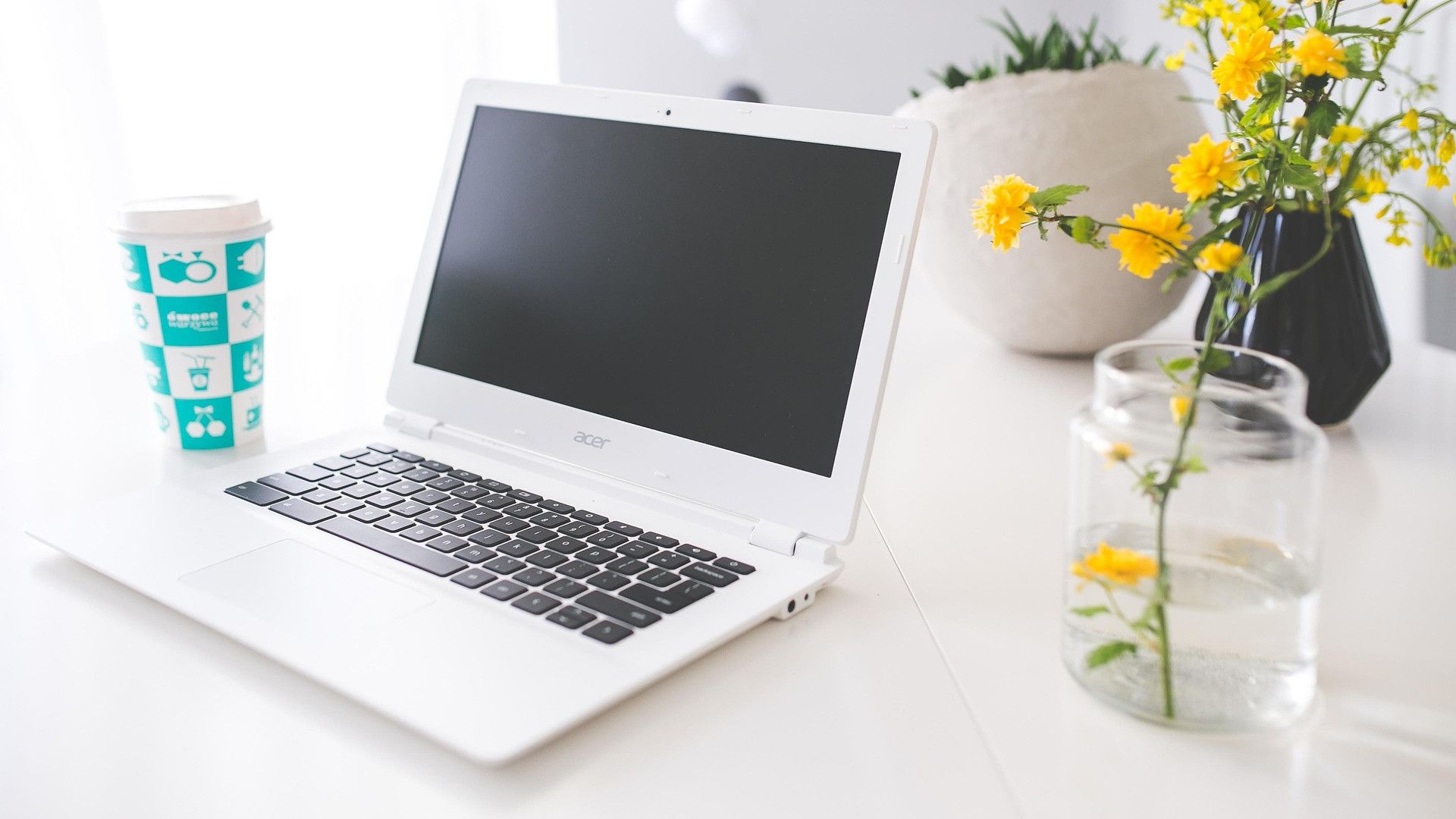
Chromebooks, running Google’s Chrome OS, offer a more affordable entry point. Because many apps operate as cloud-based web applications, these devices require less powerful hardware, resulting in lower prices. Entry-level Chromebooks can be found for around $200, but investing in a model with a touchscreen is advisable to fully utilize Android app support.
Before purchasing, verify the device’s support lifecycle. Models released after 2021 receive updates for up to 10 years, but older stock may have limited support remaining.
Chromebooks come with integrated Google services such as Drive, Docs, Sheets, and Gmail, plus access to thousands of free apps from the Chrome Web Store and Google Play Store. They boast long battery life, require minimal maintenance, and receive automatic monthly updates. However, they do not run traditional Windows software and require a Google account for full functionality.
Final Thoughts: Embracing Change with an Open Mind
Adapting to a new operating system can be challenging, but even seasoned Windows users can quickly become comfortable with alternatives like Linux or Chrome OS Flex. These options are easy to install and offer a fresh, secure computing experience.
Rather than viewing this as an either-or choice, consider experimenting with these systems to find what best suits your needs and preferences.