In this week’s episode, host Zoë Schiffer teams up with senior business editor Louise Matsakis to highlight five standout stories from our recent coverage. From OpenAI’s trajectory toward becoming the most valuable startup ever, to the unexpected surge in ant smuggling linked to government workforce reductions, they unpack the latest developments. The conversation also delves into the contentious negotiations reportedly underway between the Trump administration and semiconductor manufacturers.
Featured stories in this episode include:
- The creation of a covert X account by DOGE for a federal agency
- OpenAI’s potential valuation surpassing all private companies-what does this mean?
- Silicon Valley’s apprehension over Zohran Mamdani contrasted with NYC’s tech community’s response
- How staffing cuts in government agencies have inadvertently boosted ant trafficking
- The shifting stance of the Trump administration on NVIDIA’s sale of H-20 chips to China
Don’t miss our live event in San Francisco on September 9th. Secure your tickets today.
Follow Zoë Schiffer on Bluesky at @zoeschiffer and Louise Matsakis at @lmatsakis. Reach out to us via email at uncannyvalley@wired.com.
How to Tune In
You can listen to this week’s podcast directly on this page using the audio player. To subscribe and receive every episode automatically, follow these steps:
For iPhone or iPad users, open the Podcasts app or click here. Alternatively, apps like Overcast or Pocket Casts also carry “Uncanny Valley.” We’re available on Spotify as well.
Episode Transcript
Note: This transcript is auto-generated and may contain inaccuracies.
Zoë Schiffer: Hi everyone, Zoë here. Before we dive in, I’m thrilled to announce our upcoming live show in San Francisco on September 9th, hosted in collaboration with KQED. Uncanny Valley cohosts Lauren Goode and Michael Calore will join our Editor-in-Chief Katie Drummond and a special guest for an engaging discussion you won’t want to miss. Tickets are available via the link in the show notes-bring a friend and join us!
Welcome to WIRED’s Uncanny Valley. I’m Zoë Schiffer, WIRED’s director of business and industry coverage. Today, we’re spotlighting five essential stories, including the controversial semiconductor deals reportedly being brokered by the Trump administration.
Joining me is Louise Matsakis, WIRED’s senior business editor. Louise, great to have you here.
Louise Matsakis: Thanks, Zoë. Happy to be here.
Zoë Schiffer: Let’s start with DOGE. Just when we thought the saga was over, it resurfaces. Our investigation uncovered that DOGE established an unofficial X account for a small government agency-the Small Business Administration (SBA). The account was openly named DOGE_SBA.
Louise Matsakis: So they weren’t exactly trying to keep it secret.
Zoë Schiffer: Not at all. But in typical DOGE fashion, they bypassed the agency’s official social media teams. Documents obtained exclusively reveal that a DOGE staffer created and managed this X account without prior approval. Intriguingly, this shadow account even received whistleblower complaints via direct messages.
Louise Matsakis: How did the SBA staff react?
Zoë Schiffer: They were caught off guard. A social media manager emailed colleagues, asking how they missed this account. Beyond internal confusion, the bigger issue is that this unauthorized channel solicited tips on fraud and abuse affecting small businesses-areas already covered by formal SBA processes. This risks undermining the integrity of official reporting mechanisms.
Louise Matsakis: That’s astonishing. A government auditor described it as having “a crazy uncle declaring himself the cop and asking for tips.” DOGE was supposed to audit and detect fraud but ended up commandeering agencies and acting independently, including launching social media accounts.
Zoë Schiffer: It’s a classic tech impulse-spotting a process and deciding to “do it better” without fully understanding the existing system, leading to redundant or conflicting efforts.
Switching gears to OpenAI: the AI powerhouse is on track to become the highest-valued private company globally, surpassing giants like Palantir, SpaceX, and ByteDance. One investor told our colleague Kylie Robison that if ChatGPT reaches 2 billion users paying $5 monthly, that translates to $120 billion in annual revenue, potentially justifying a $1.5 trillion valuation.
Louise Matsakis: The math is straightforward, but the likelihood of OpenAI monetizing 2 billion paying users seems slim. Giants like Google and Facebook have user bases that size but rely heavily on advertising revenue. Convincing billions to pay a subscription fee is unprecedented.
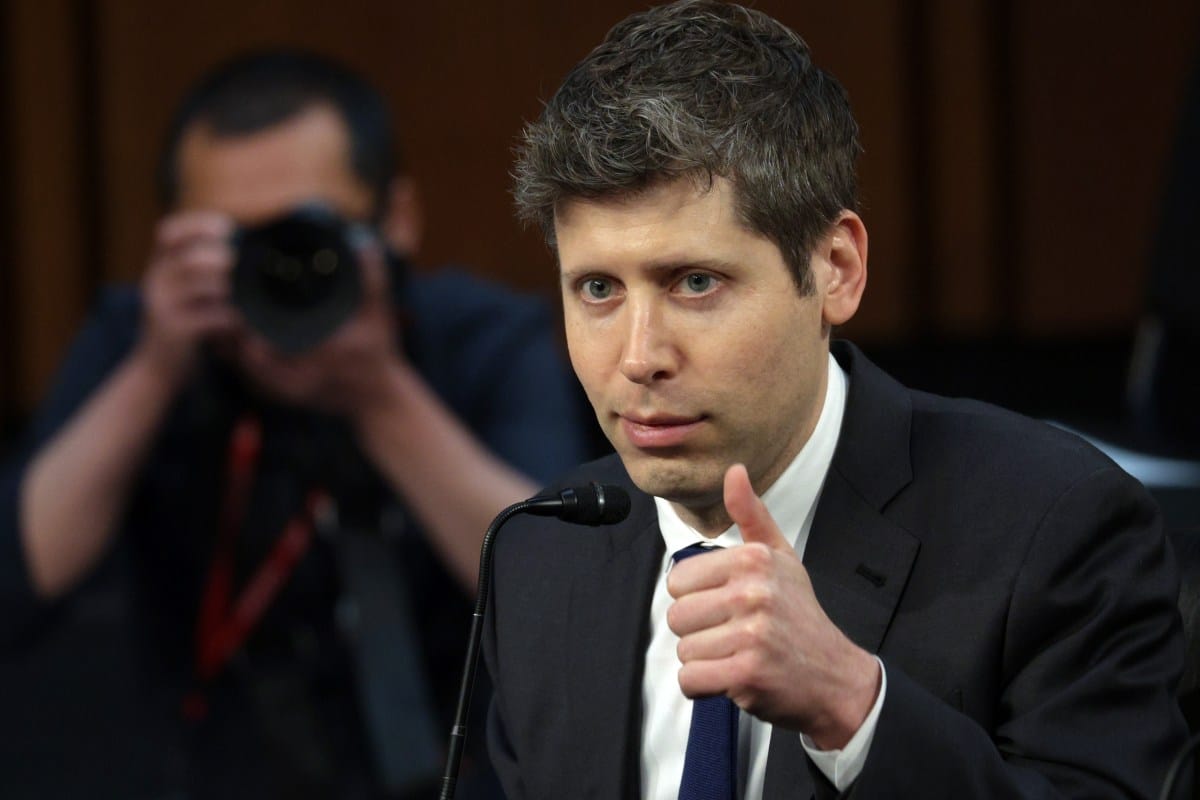
Zoë Schiffer: I recently attended a dinner with OpenAI CEO Sam Altman, who was asked about advertising in ChatGPT. His response was cautious-he didn’t rule it out but didn’t endorse it either, suggesting multiple monetization paths remain open.
Louise Matsakis: Advertising seems inevitable, especially given OpenAI’s enormous cash burn-billions annually-and the fact that many users are accustomed to free access. Asking them suddenly to pay $5 monthly risks pushing them toward free or open-source alternatives.
Zoë Schiffer: Sam also mentioned that OpenAI holds some of the most comprehensive user data profiles, combining search histories, queries, and personal information. This data could be highly attractive to advertisers, especially as OpenAI explores agent-based tasks like booking hotels through third-party platforms. Many users may not realize the extent of data sharing this could entail.
Louise Matsakis: That’s quite concerning. Imagine opening ChatGPT and being targeted with ads based on your recent queries about sleep aids.
Zoë Schiffer: Exactly. Their terms of service remain vague on data sharing, leaving users uncertain about future privacy implications.
Next, we turn to New York City, where Silicon Valley executives are expressing alarm over the potential election of Zohran Mamdani as mayor. Interestingly, most of these tech leaders don’t reside in NYC full-time but have been vocal on X.
Louise Matsakis: Mamdani represents a progressive wave and a backlash against Trump-era politics. His youth, Muslim identity, and democratic socialist stance make him a lightning rod for Silicon Valley’s anxieties. Their reactions often reveal more about their own biases than about Mamdani himself.
Zoë Schiffer: David Sachs, the White House AI and Crypto czar, warned that Mamdani could threaten the nation, tweeting, “Wake up Silicon Valley. You have two choices: embrace MAGA or prepare to be on Mamdani’s dinner menu.” Other tech figures like the Winklevoss twins, Joe Lonsdale, and Brian Armstrong have echoed similar sentiments. Many of these voices, mostly men, weigh in on political issues far beyond their professional expertise.
Louise Matsakis: They seem to be professional social media commentators. No offense to VCs, but it’s not clear that venture capital is a full-time job for many.
Zoë Schiffer: Why do you think Mamdani’s platform-focused on government efficiency, affordable housing, business collaboration, and equity-elicits such fear from crypto and VC leaders?
Louise Matsakis: That’s the key question. Mamdani doesn’t advocate dismantling the tech sector, yet his vision unsettles these investors. Caroline’s reporting sheds light on this: at a private July event with Mamdani and tech leaders, attendees found him thoughtful and charismatic. The NYC tech community’s perspective is more nuanced than the Silicon Valley uproar suggests.
Our final story touches on ant smuggling, a niche but surprisingly relevant issue.
Louise Matsakis: Kate Knibbs wrote about how USDA staffing cuts have emboldened ant traffickers. These smugglers move ants across state lines, trade them on Discord, and sell them on eBay. Zoë, you seem to have a personal connection to ants?
Zoë Schiffer: Yes! My husband, a former biology teacher, keeps ants as pets. I often joke about his “pet ants,” though I’m not an expert on species. Living in a region where ants become a summer nuisance, I understand the frustration they cause.
Louise Matsakis: Have you ever experienced an ant infestation firsthand?
Zoë Schiffer: Absolutely. They can be maddening. My husband tends to downplay it, but I find it unbearable.
Louise Matsakis: This issue highlights how government neglect under the Trump administration has weakened agencies like the USDA. The fear is that critical problems-whether pest outbreaks or power failures-will escalate unchecked due to understaffing.
Zoë Schiffer: Shoutout to the ant enthusiasts on Reddit who corrected our misidentification of a weaver ant as a fire ant in our story. The ant community was quick to respond, and even the Getty photographer admitted the mistake.
Louise Matsakis: Those experts are impressive.
Zoë Schiffer: After the break, we’ll explore the recent NVIDIA deal with the Trump administration, which has sparked legal and ethical debates. Stay tuned.
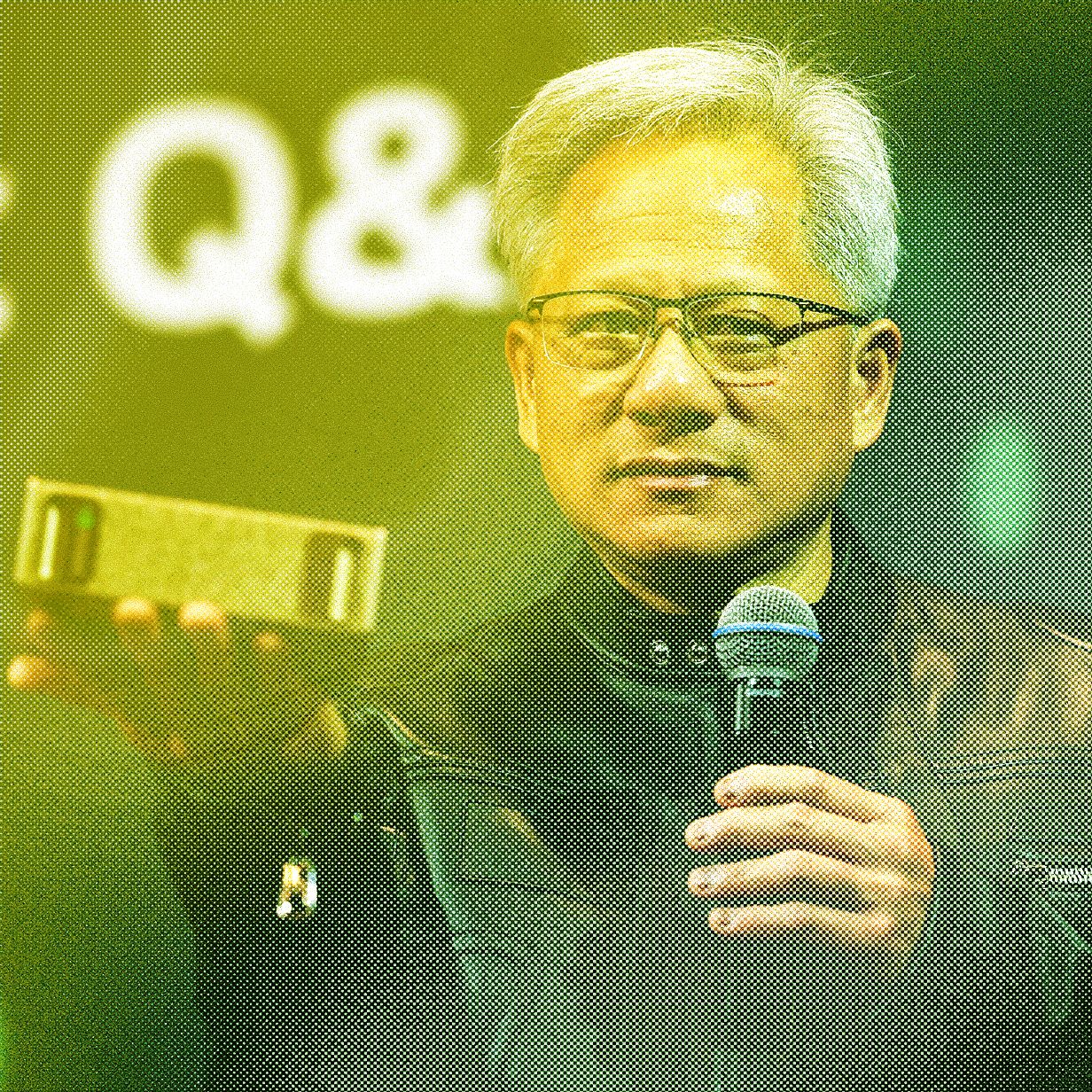
Welcome back to Uncanny Valley. I’m Zoë Schiffer, joined again by Louise Matsakis. Our focus now is on the semiconductor agreements the Trump administration is reportedly pursuing. Recent reports suggest Trump aims to acquire equity stakes in companies like Intel, which received federal grants under the 2022 Chips Act. This follows last week’s revelation about NVIDIA’s deal allowing continued sales of H-20 chips to China in exchange for 15% of the company’s revenue.
Trump reportedly reversed his position on NVIDIA’s chip sales after meeting CEO Jensen Huang, who argued that selling H-20 chips to China does not threaten national security. Louise, you’ve covered US-China tech relations extensively. What’s your take on this deal? Did it catch you off guard?
Louise Matsakis: Absolutely. These arrangements are unprecedented. When Trump returned to office, Commerce Secretary Howard Lutnick floated the idea of a sovereign wealth fund for the US government-similar to those in Gulf states. The only US example is Alaska’s fund, fueled by oil revenues and a small population.
Frankly, the US lacks the financial capacity for such a fund. Yet Lutnick and Trump seem fixated on this vision, leading to business and investment deals rather than focusing on regulatory responsibilities. They’re repurposing parts of the Commerce Department, originally designed for national security, to generate government revenue.
Zoë Schiffer: Let’s clarify the background. Previously, the US banned certain chip sales to China. Can you explain the rationale behind that policy?
Louise Matsakis: When Trump first took office, his administration’s China hawks targeted companies like Huawei, concerned about China’s growing tech prowess. The Biden administration then zeroed in on advanced chips, fearing that access to NVIDIA’s technology could accelerate China’s AI development.
The goal was to ensure the US leads in AI breakthroughs like ChatGPT and prevent China from achieving “superintelligence” first. This led to export controls limiting China’s access to cutting-edge chips.
Zoë Schiffer: It seems there were two competing strategies: one to keep China reliant on US chips to slow their progress, and another to cut off access entirely to maintain a technological edge. It appears the first approach has prevailed for now.
Louise Matsakis: Both administrations agreed on a hybrid approach-avoiding a total cutoff that would harm US companies like NVIDIA and AMD, which are vital to the economy and stock market. Instead, they aimed to restrict China’s access to the most advanced products, leading to chips like the H-20, designed to comply with export limits.
Zoë Schiffer: Trump has dismissed these chips as outdated, but we know they’re quite capable for key AI tasks.
Louise Matsakis: Predicting tech’s future is tough. While H-20 chips aren’t ideal for training massive models like GPT-5, they excel at inference-processing queries and delivering real-time responses. This use case wasn’t fully anticipated when export controls were crafted.
Zoë Schiffer: At that same dinner, Sam Altman mentioned OpenAI’s planned capital expenditures-potentially in the hundreds of millions or even trillions over time-will focus heavily on inference infrastructure. Training is costly, but inference is the frontier now.
Louise Matsakis: That makes sense. You build a powerful model, then invest in making it accessible and responsive. It’s a complex area that regulations from a few years ago couldn’t have foreseen.
Zoë Schiffer: Louise, thank you for joining me on Uncanny Valley.
Louise Matsakis: Thanks for having me, Zoë.
Zoë Schiffer: That wraps up today’s episode. We’ll link all discussed stories in the show notes. Don’t miss Thursday’s episode, which explores how vibe coding is reshaping the tech landscape. This episode was produced by Adriana Tapia and Mark Leda, mixed by Amar Lal at Macro Sound, with executive production by Kate Osborn. Condé Nast’s global audio head Chris Bannon and WIRED’s global editorial director Katie Drummond also contributed.