Michael Burry’s Confrontation with Nvidia: A New Front in the AI Market Debate
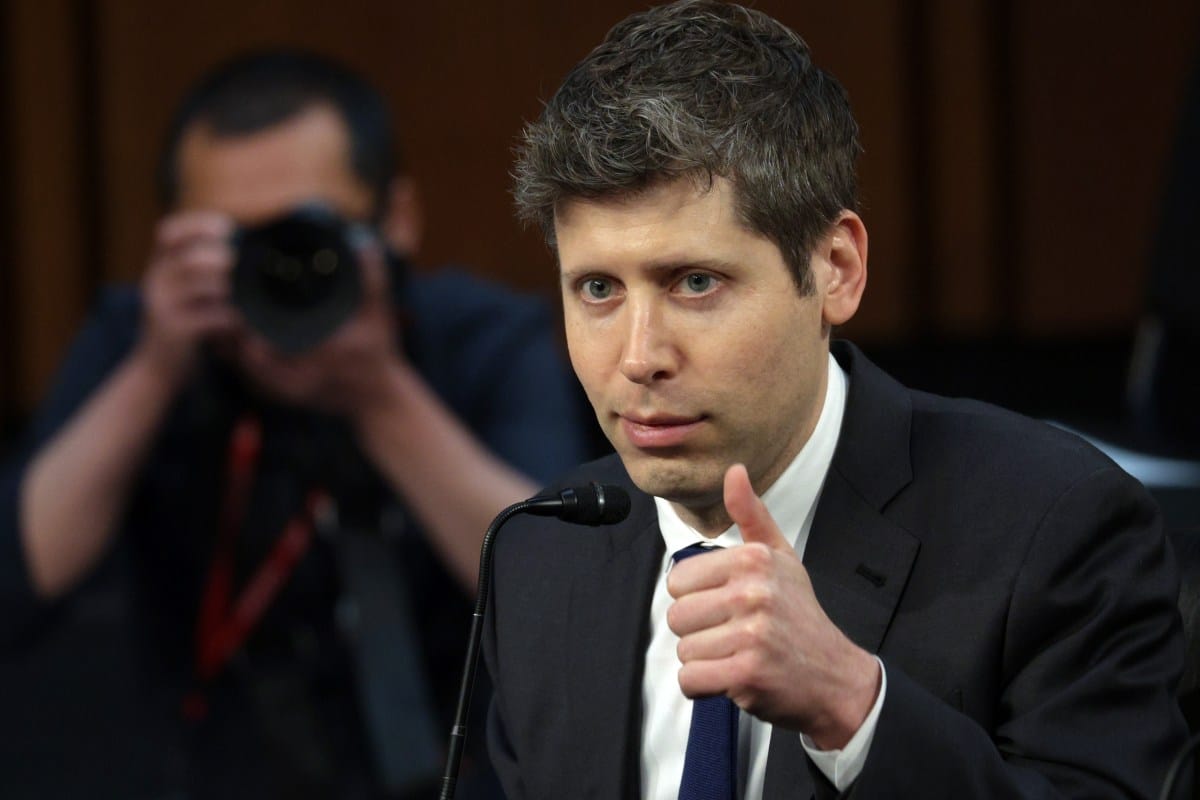
While many were immersed in Thanksgiving festivities, Michael Burry-the investor famously portrayed by Christian Bale in “The Big Short”-quietly ignited a fierce battle against Nvidia. This clash is more than just market noise; it could signal a pivotal moment in the AI sector’s trajectory. Unlike typical warnings about an AI bubble, Burry’s critique carries weight due to his dedicated following and freedom from regulatory restrictions, positioning him as a potential catalyst for the very market downturn he anticipates.
Unpacking Burry’s Skepticism: Is Nvidia’s AI Boom Overstated?
Burry’s skepticism centers on Nvidia’s valuation and the broader AI industry’s financial practices. He argues that Nvidia’s stock-based compensation has cost shareholders an astonishing $112.5 billion, effectively slashing owner earnings by half. Furthermore, he accuses AI companies of manipulating accounting methods-specifically by extending the depreciation schedules of rapidly aging hardware like GPUs-to inflate profitability. According to Burry, this creates a misleading picture of sustainable growth.
He also challenges the legitimacy of AI customer demand, suggesting it is artificially propped up through circular financing arrangements where dealers fund their own clients. This, he claims, inflates the market’s apparent appetite for Nvidia’s products and the AI sector’s expansion.
The Public Feud: Burry vs. Industry Titans
Burry’s bearish stance has not gone unnoticed. Nvidia, despite its recent record-breaking earnings, felt compelled to respond with a detailed seven-page letter to Wall Street analysts, disputing Burry’s calculations and defending its compensation practices as aligned with industry standards. The company also clarified that Burry’s figures mistakenly included restricted stock unit (RSU) taxes, adjusting the buyback amount to $91 billion from his claimed $112.5 billion.
Adding fuel to the fire, Burry engaged in a public spat with Palantir CEO Alex Karp after regulatory filings revealed Burry held significant put options against both companies, totaling over $1 billion. Karp dismissed Burry’s strategy as “batshit crazy” on CNBC, prompting Burry to retort by questioning Karp’s ability to interpret SEC filings. This exchange highlights the deep divide in market sentiment: is AI a transformative force justifying sky-high valuations, or is it a speculative bubble destined to burst?
Nvidia’s Meteoric Rise and Burry’s Mixed Track Record
Since early 2023, Nvidia’s stock has surged twelvefold, propelling its market capitalization to an unprecedented $4.5 trillion-making it the fastest company to reach such heights in history. Yet, Burry’s history as an investor is complex. He gained fame for predicting the 2008 housing crash but has since been labeled a “permabear” for repeatedly forecasting market disasters that failed to materialize. His past moves include both prescient calls, like early GameStop investments, and costly missteps, such as his ill-timed short on Tesla.
Recently, Burry deregistered his hedge fund, Scion Asset Management, citing frustration over misinterpretations of his social media commentary. Instead, he launched a Substack newsletter titled Cassandra Unchained, where he now focuses exclusively on exposing what he sees as systemic risks in the AI industry and broader markets. Within its first week, the newsletter attracted 90,000 subscribers, underscoring the growing interest in his contrarian views.
The Power of a Credible Critic: Historical Parallels and Market Impact
Burry’s role as a vocal skeptic recalls figures like Jim Chanos and David Einhorn, who exposed accounting irregularities at Enron and Lehman Brothers, respectively. While these critics did not create the underlying problems, their public warnings accelerated investor skepticism and contributed to the companies’ collapses. Similarly, if Burry’s warnings about AI overinvestment gain traction, they could trigger a sell-off that validates his bearish thesis-even if every detail of his argument isn’t perfectly accurate.
Looking Ahead: Will Burry’s Warning Reshape the AI Market?
Recent fluctuations in Nvidia’s stock price suggest that Burry’s message is resonating with some investors, though the company’s overall performance this year remains robust. The question remains whether Burry’s critique will spark a broader reassessment of AI valuations or fade as another contrarian call amid a historic bull run.
What is clear is that Nvidia’s colossal market cap and dominant position in the AI era place it at the center of this debate. Meanwhile, Burry, armed with a powerful new platform and a reputation for bold predictions, is poised to amplify his warnings in the months ahead. Whether he emerges as a prophetic voice or a cautionary tale will depend on how the AI market evolves in the near future.