
Transforming Africa’s Tech Landscape: The Journey of Blossom Academy
From Humble Beginnings to a Vision for Change
In 2015, Jeph Acheampong returned to Ghana with a modest goal: to teach entrepreneurial life skills to orphans. However, witnessing the widespread unemployment and underemployment among his university-educated peers sparked a deeper inquiry. Having gained experience in the United States, Acheampong recognized that the key differentiator between his success and that of his friends was access to opportunity.
Identifying the Talent Gap in Africa’s Data Economy
With a background as a data solutions consultant on Wall Street and as a founding member of the fintech unicorn Esusu Financial, Acheampong was well-versed in the transformative power of data-driven strategies. During a fellowship in Kenya (2018-2019), he observed a puzzling trend: African companies were outsourcing data projects overseas despite a wealth of untapped local talent. This disconnect inspired him to create a solution tailored to the continent’s unique challenges.
Launching Blossom Academy: Bridging Skills and Opportunity
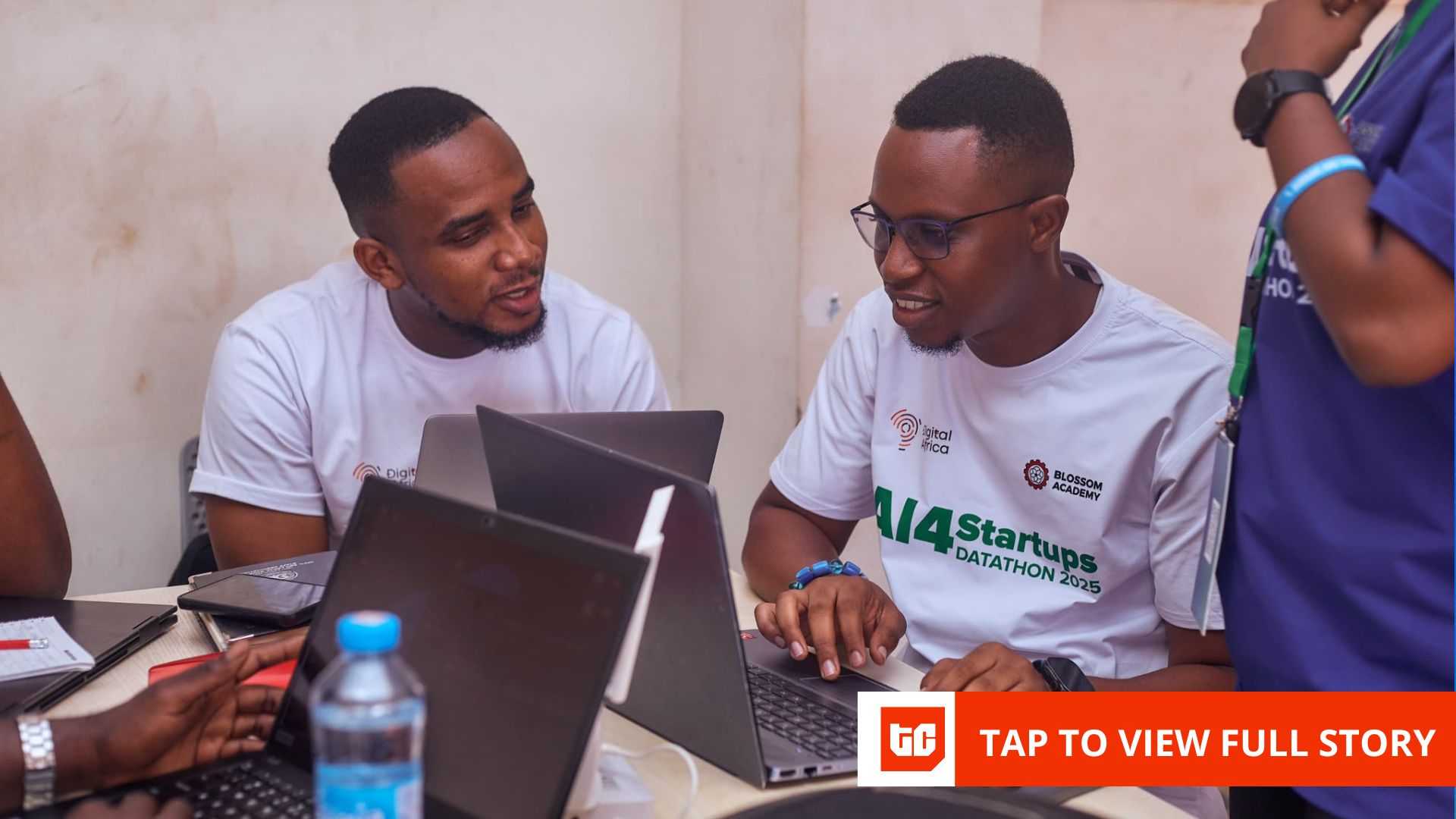
In 2018, Acheampong founded Blossom Academy, initially in Ghana, with the mission to equip young Africans with skills in data analytics and artificial intelligence. The program offers fully funded, intensive courses lasting three to four months, followed by six-month paid internships designed to transition participants into full-time employment. Supported by global partners such as the World Food Programme, Mastercard Foundation, and Internet Society Foundation, Blossom has expanded its footprint to Nigeria and Rwanda.
Impressive Outcomes and Economic Impact
Blossom Academy boasts an 85% job placement rate, with approximately 60% of interns retained by their host companies and most others securing employment within two months. Graduates have secured roles in international NGOs and multinational corporations, earning salaries as high as $6,500 monthly-an extraordinary figure compared to the regional median graduate wage, which often falls below $100.
Adapting to Diverse Markets: Customized Training Models
Scaling across different African countries required flexibility. In Nigeria, Blossom pivoted to focus on underemployed professionals, helping them advance careers or transition into freelance work on platforms like Upwork and Fiverr. Rwanda’s approach combines online and in-person training, reflecting local needs and infrastructure. This adaptability has been crucial in addressing the continent’s varied economic landscapes.
Sector-Specific Programs and Strategic Partnerships
Blossom’s curriculum increasingly targets specific industries, integrating data analytics into sectors such as agriculture, finance, and healthcare. For example, a recent collaboration with the World Food Programme focused on agricultural data analytics, while bespoke training programs have been developed for banks and financial institutions to enhance their data capabilities.
Distinctive Approach Compared to Other Talent Accelerators
Unlike earlier initiatives like Andela, which initially retained software engineers within their ecosystem, Blossom emphasizes empowering graduates to work across multiple companies. Acheampong explains, “We don’t hold onto our graduates; instead, we encourage firms to build their own data teams from the ground up, often hiring their first data professional through Blossom.”
Expanding Access to Work Experience and Internships
Looking ahead, Acheampong is exploring ways to democratize access to internships and practical work experience. He suggests that not all learners may require full training if they can be directly connected to meaningful projects, potentially accelerating their entry into the workforce.
Financial Challenges and Innovative Funding Models
Training and mentoring a single fellow costs approximately $1,250 over ten months, a significant investment in regions with limited consumer spending power. To date, Blossom has secured around $3 million through grants and contracts from development organizations such as the Livelihood Impact Fund, African Collaborative, and the Patrick J. McGovern Foundation. Despite this, fundraising remains a demanding endeavor.
Building Sustainability Through Income-Share Agreements and Corporate Training
To enhance financial sustainability, Blossom is piloting income-share agreements, enabling students to repay tuition as a percentage of future earnings. Additionally, Blossom Corporate offers AI and data upskilling services to governments and multinational companies, including Olam Ghana, diversifying revenue streams.
Global Mentorship and Exposure to Cutting-Edge Technologies
Blossom connects students with mentors from leading organizations such as Google DeepMind, IBM, and the UK-based trend forecasting firm WGSN. These partnerships provide learners with insights into advanced tools and international work cultures, preparing them for global opportunities.
Overcoming Structural Barriers to Africa’s AI Growth
Despite promising progress, Africa faces significant infrastructure challenges. The continent accounts for less than 2% of global data center capacity and struggles with frequent electricity shortages. Acheampong warns that without substantial investment in infrastructure, African youth risk being relegated to lower-skilled roles within the AI ecosystem.
Optimism Rooted in Africa’s Human Capital
Nevertheless, Acheampong remains hopeful. He highlights Africa’s competitive advantage: its people. “The annual cost of employing a skilled African professional can be equivalent to the price of a single robot in Western countries,” he notes. Harnessing this human potential could enable Africa to leapfrog in the AI revolution.
Measuring Success Through Life-Changing Careers
For Blossom, success is defined by the tangible impact on individuals’ lives-graduates earning better incomes, securing meaningful employment, and even launching their own data academies to extend the ripple effect. Acheampong reflects, “If we help someone build a career that transforms their life, then we are contributing meaningfully to Africa’s future.”