Numbers is the heartbeat of any creator’s career. Views, likes and subscribers are not just a measure of popularity, they also reveal value. These numbers are like loyal customers to a business. They keep creators going.
Since TikTok ‘s For You Pagerose to prominence, social media has undergone several changes. A data-driven algorithm curates feeds for each user, delivering recommendations and a higher virality potential for content. Google wants to make these numbers more valuable.
Google has launched three AI-powered tools – Video Reach Campaign (VRC), Video View Campaign(VVC), and demand Gen – to help brands and creators improve the results of their YouTube videos. On paper, this is just another tech update. In practice, however, it could change the way African creators and brands collaborate.
The difference between views and value.
Imagine that a YouTuber in Lagos just signed her first major brand deal. A crypto startup wants to use her to promote their new debit card. She posts the video and the numbers start to climb. Views: great. Engagement: decent. When the campaign is over, the brand will look at the analytics and frown. Few clicks. Fewer conversions. Google wants to fix this problem.
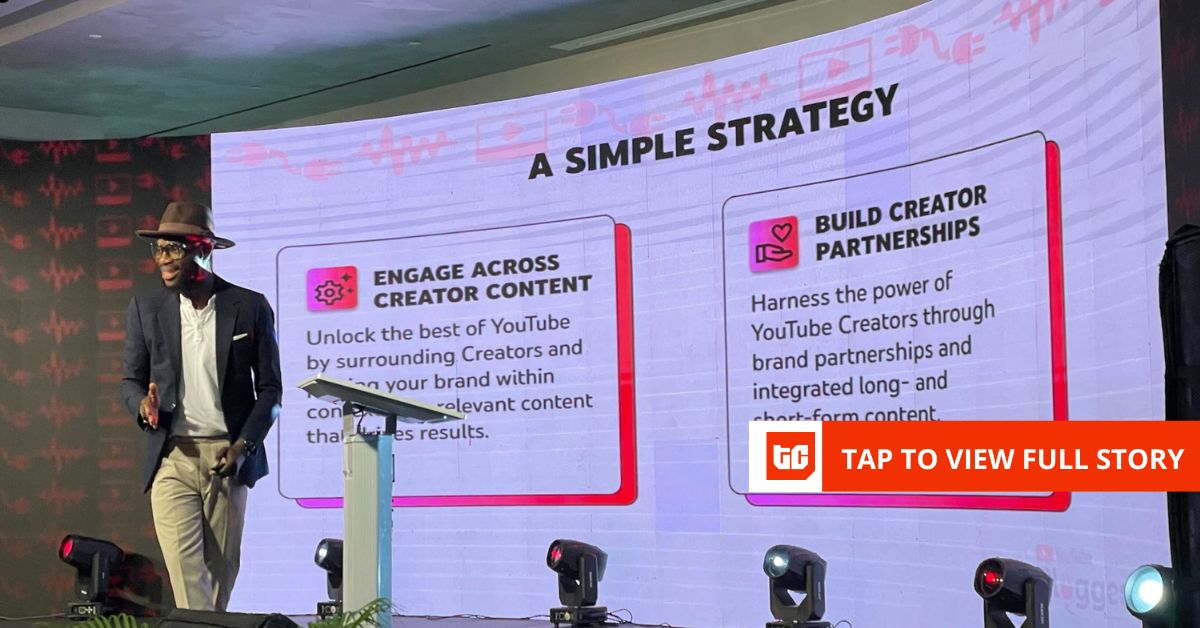
Damilola Abodunrin explained to TechCabal at YouTube PluggedIn, an event for creators and brands held in Lagos, Nigeria on October 9, 2025 that the new AI tools worked:
“Video Reach Campaign (VRC), Video View Campaign(VVC), and demand Gen are AI solutions to help advertisers maximize their budgets and achieve better returns,” she said. “They can do what humans cannot: manage multiple assets and campaigns, as the number of touchpoints is increasing every day.” It then adjusts everything in real-time.
The algorithms as collaborators
YouTube ads used to be mostly manual a few years ago. Marketers had no choice but to guess what keywords to target and which demographics they should pursue. AI has completely changed this.
Google’s system now tests different versions of ads, studies how people react, and figures out the best one, all while a campaign is running. It’s almost like having a data scientist, media buyer, strategist, and more all in one person, working round the clock.
For the creators, this means that their videos, particularly brand collaborations are more likely to reach the right audiences. Brands will see less wasted advertising dollars and a higher chance of converting viewers to customers.
A new formula for influence
These tools are at the perfect time. The creator economy is booming in Africa, but not evenly. Thousands of people have built careers on YouTube – from cooking channels in Lagos, to tech explainers and other content creators in Nairobi – but many struggle to monetise their work at the same rate as other creators.
Performance is a big part of the problem. Brands want to see proof that influencer marketing campaigns are effective. Creators want to receive credit for the audience they’ve built. Google’s AI tools aim to bridge the trust gap.
Olumide Balogun pointed out the The 2023 IAB Creator Economy Study () found that ads placed with creator content enjoyed 1.2 times more reach and consideration, and 1.4 times greater loyalty than traditional advertisements.
Making African creators visible
Visibility is the biggest obstacle for many African creators. The internet may be global, yet its reach is not always equal. Videos in English or based on Western trends are more popular than videos in local languages and rooted in African cultures.
AI could start to change this.
The new tools, which rely less on demographic data and more upon user intent and behavior, can identify new audiences that might connect with the content of a creator — even across national borders. A Ghanaian lifestyle blogger could reach Caribbean audiences who share similar cultural preferences. A Kenyan comedian could find fans in the UK’s diaspora.
Ify Mogekwu, the popular food creator and owner of Ify’s Kitchen said, “Now we can compete with our counterparts in more advanced countries, because we have the tools we need to work with.” I think that the overall impact will be positive.
These tools can help break down barriers to visibility and access for creators.