Revolutionizing Creativity: The Role of Generative AI in the Arts
The emergence of generative Artificial Intelligence has ignited a vibrant discussion within the creative industries. Is this innovation a disruptive threat to traditional artistry, or does it serve as a catalyst for enhancing creative potential? This pivotal question was the focus of a recent expert panel, where industry leaders explored how AI is reshaping the landscape of creative expression. Consensus among the panelists emphasized that AI is evolving into a collaborative partner, with the future favoring creators who engage with AI through ethical and thoughtful practices.
Amplifying Human Creativity by Automating the Routine
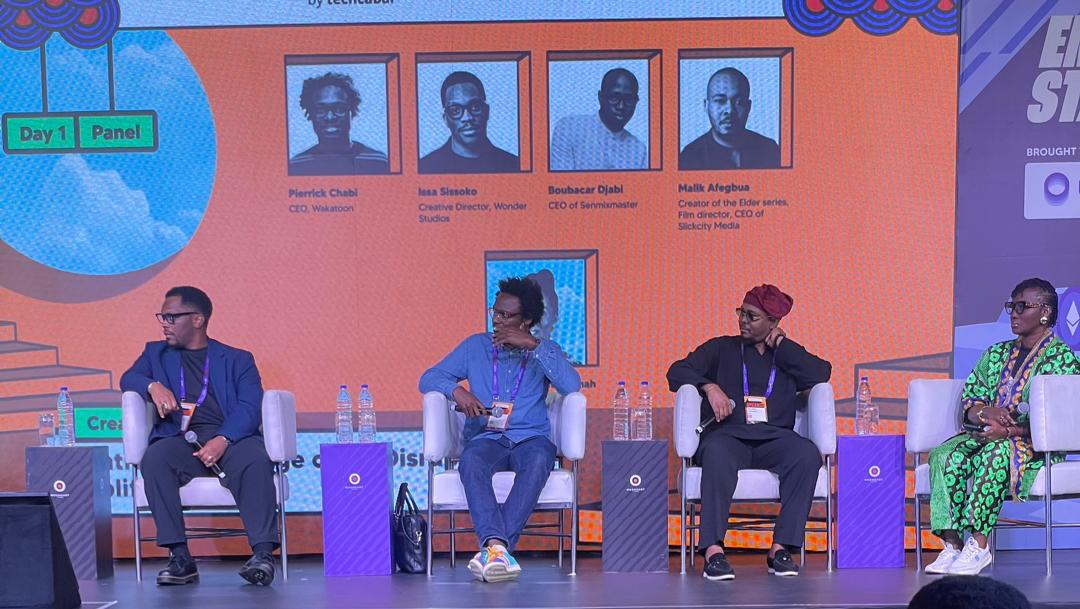
One of AI’s most significant contributions lies in its capacity to augment human creativity by automating repetitive and time-consuming tasks. Across diverse creative sectors-from composing music to editing films-AI tools are streamlining workflows, enabling artists to dedicate more energy to the conceptual and imaginative aspects of their craft. This democratization of creative tools means that individuals without formal training can now produce work that rivals professional standards. Issa Simsoko, Creative Director at Wonder Studios, likens this to traditional artistic collaboration: “Occasionally, an unexpected input sparks a new idea. Just as an actor’s improvisation can shift a scene, AI-generated content can inspire fresh directions. This dynamic allows novices to create compelling, high-quality outputs.”
Challenges: Job Displacement and Intellectual Property Concerns
As AI technology advances, concerns about the commodification of creative labor are intensifying. Routine creative roles-such as basic illustration and copywriting-face potential automation, raising fears about job security. Moreover, ethical dilemmas surrounding intellectual property rights have come to the forefront. Recent legal actions against leading AI developers have exposed that many AI models are trained on copyrighted materials without explicit consent, prompting urgent debates over ownership of AI-generated content. This issue is especially pronounced in regions like the Global South. Malik Afegbua, CEO and filmmaker at Slickcity Media, stresses the critical need to confront systemic biases: “AI datasets in Africa are overwhelmingly skewed, leading to significant misrepresentation. African creators must be deliberate in curating training data to ensure fair and accurate AI outputs.”
Ethical AI Use: The Imperative of Human Oversight
For brands, agencies, and individual creators, the path forward involves adopting robust ethical frameworks that govern AI deployment responsibly. Central to this approach is the “Human in the Loop” principle, which positions AI as a supportive tool under continuous human supervision. This ensures that humans retain control over AI-generated content, infusing it with intentionality and emotional depth that machines alone cannot replicate. Boubacar Djabi, CEO of Senmixmaster, illustrates this with an example from music production: “The entire mastering process is automated through engineering protocols, yet the quality of the final product depends on expert human input and precise control.” This underscores that human expertise remains indispensable in harnessing AI’s creative potential.
Looking Ahead: Balancing Innovation with Responsibility
As generative AI continues to evolve, its integration into creative fields offers unprecedented opportunities alongside complex challenges. Embracing AI as a collaborative partner, while rigorously addressing ethical, legal, and cultural considerations, will be crucial. By fostering inclusive datasets, protecting intellectual property rights, and maintaining human oversight, creators can unlock AI’s full potential to enrich artistic expression and innovation.