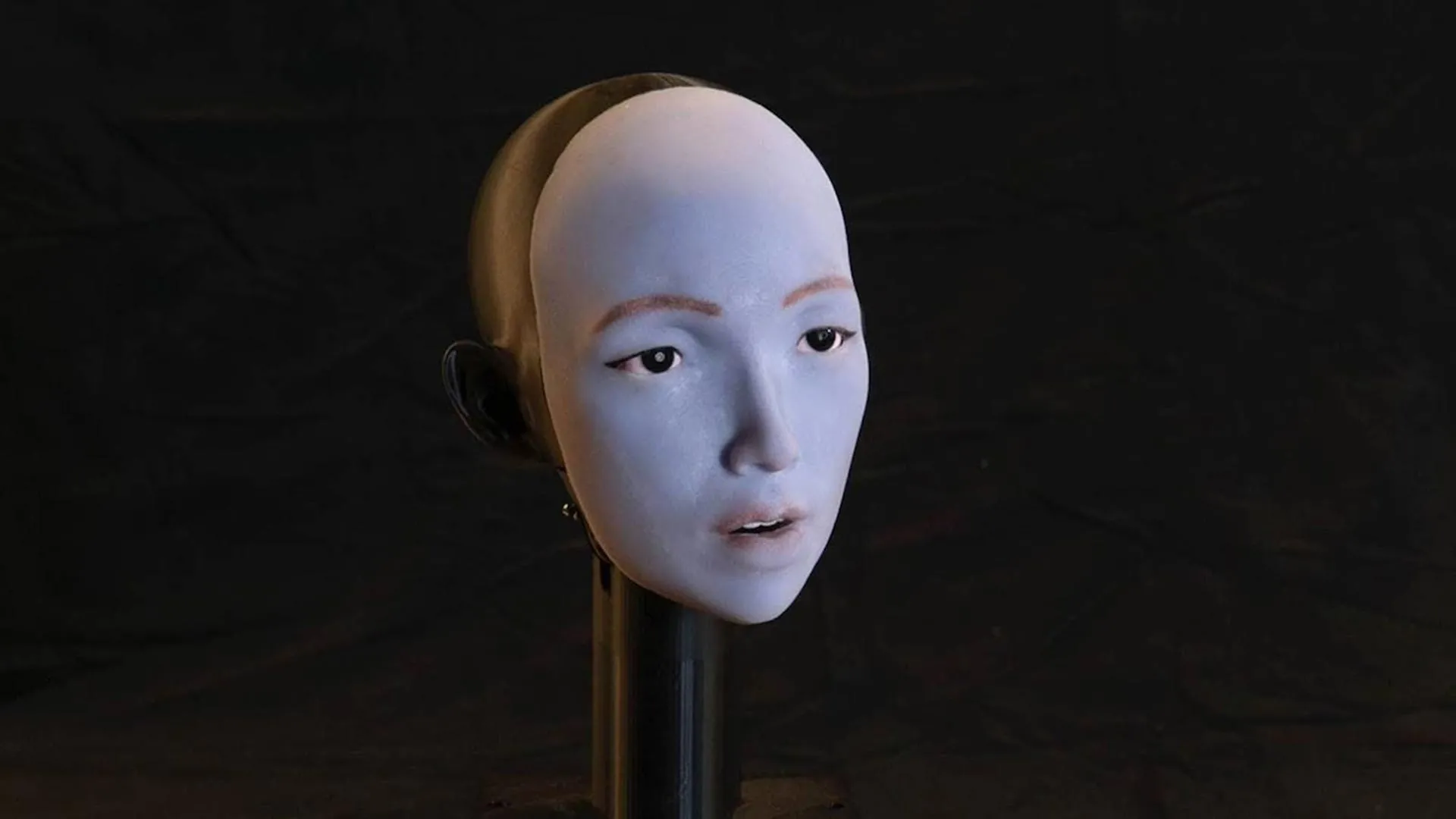
Advancing Robot Communication: Teaching Machines to Mimic Human Lip Movements
During interpersonal interactions, people instinctively focus on lip movements to interpret speech and emotions. However, replicating these subtle facial cues has posed a significant challenge for robotic technology-until now. Engineers at Columbia University have pioneered a novel approach where a robot acquires lifelike lip synchronization by observing its own reflection and analyzing extensive human video footage available online.
Learning Through Self-Observation and Human Behavior Analysis
Instead of relying on pre-programmed instructions, this innovative robot employs a self-supervised learning method. By watching its mirrored image, it refines its lip motions, while simultaneously studying diverse human speech patterns from digital media. This dual observation enables the robot to produce speech and singing performances with facial expressions that align naturally with the audio output.
Bridging the Gap Between Humans and Machines
This advancement marks a significant step toward overcoming the “uncanny valley” phenomenon, where robots appear almost-but not quite-human, often causing discomfort. By achieving synchronized and realistic lip movements, robots can now engage more authentically in social interactions, enhancing user comfort and acceptance.
Implications for Future Human-Robot Interaction
With over 70% of communication being non-verbal, integrating accurate facial expressions into robotic systems is crucial. This breakthrough opens doors for more naturalistic robots in customer service, healthcare, and entertainment sectors. For instance, virtual assistants could soon respond with expressive lip-syncing, making conversations feel more genuine and immersive.