After almost a ten-year wait, Tesla has launched its limited self-driving service in the Austin area. Musk and other Tesla executives have said that the autonomous vehicle technology being introduced today is crucial to Tesla’s success.
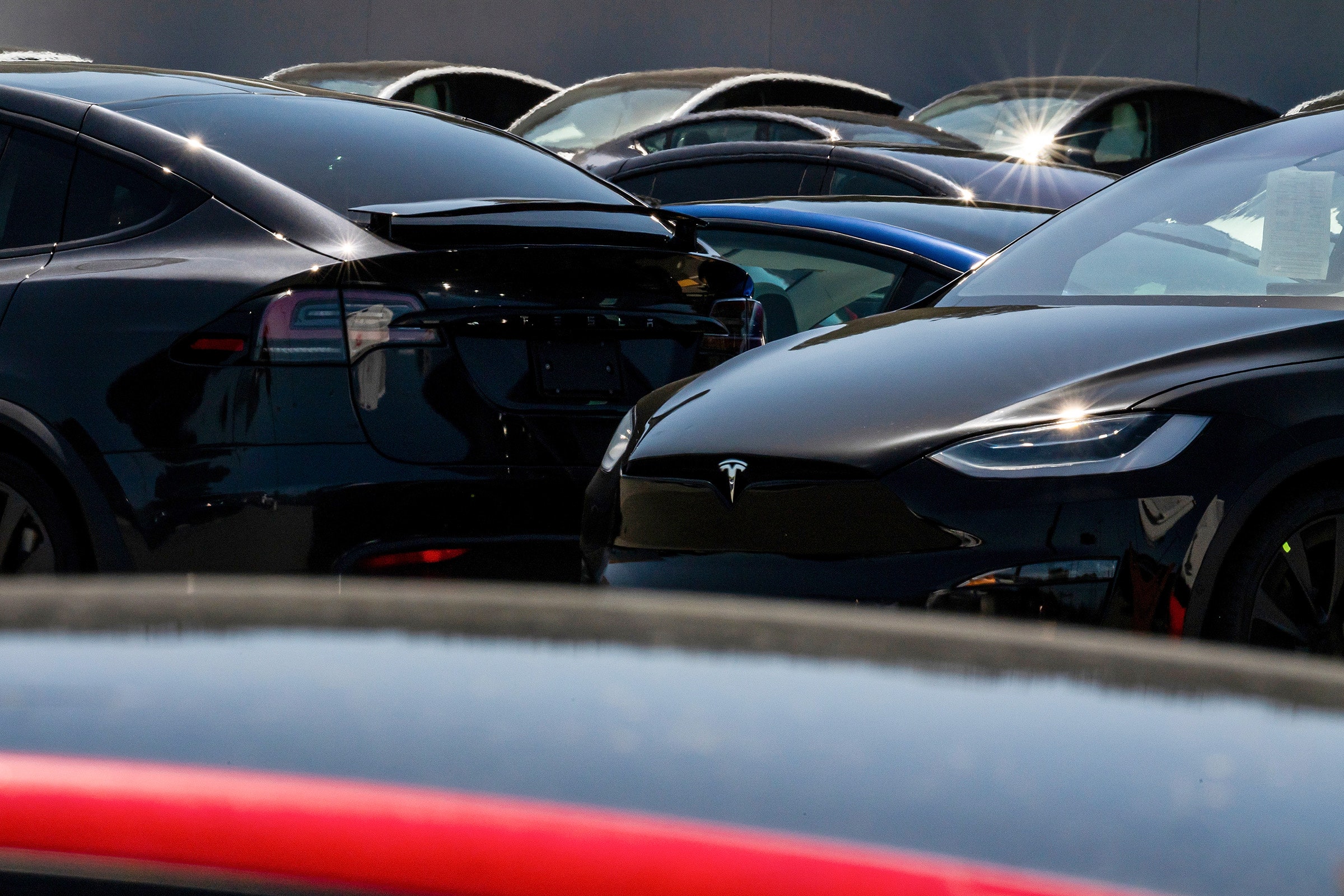
For now, the limited service is only available to Tesla’s early users who have been invited. It includes 20 2025 Model Y sedans that are available for rides via a Tesla-made mobile app between 6 am and 12 am. The terms of service posted by invited riders on X indicate that the service may be paused or restricted for bad weather. Musk says that rides during this invitation-only phase will cost a flat fee of $4.20. Post on X was made Sunday.
People with one of the limited invites – some of whom traveled to Texas to participate in the launch – were able to take rides around 2pm local time on Sunday.
The company said that its Cybercab, which is a purpose-built vehicle, will be in production next year. For now, Model Ys are the only Teslas participating in the program. According to screenshots on X, it appears that the service only picks up and drops off in Austin is a part of the city that is located on the south side, just across the Colorado River. The service area appears include the busy thoroughfares of South Congress Avenue, South Lamar Boulevard and South Lamar Boulevard. The service does not go to the airport, Austin-Bergstrom International. It is located about five miles away from downtown. The service is available to those who are invited. They can bring a guest along with them, as long they are at least 18 years old.
In a message sent to invitees and posted on X last week, Tesla stated that a Tesla employee would be in the front seat of each robotaxi. It is not uncommon to launch an autonomous vehicle service that includes a “safety-driver”. Alphabet’s Waymo, as well as General Motors Cruise in 2020, launched their services with a safety-driver. May Mobility, a Michigan-based company, says it will do this when it launches service in Atlanta later this year. Tesla’s safety monitor will likely not be able, if an accident occurs, to hit the brakes or grab the steering wheel from the passenger’s seat.
Tesla’s robotaxi service is likely to be augmented with teleoperators, drivers who, when necessary, can advise or even pilot the vehicle remotely to get around an unorthodox obstruction or out of a sticky position.
Musk promised Tesla robotaxi technology in October 2016 when he told his investors that every vehicle produced by his company from then on would have all the hardware necessary to become self-driving. Tesla has since updated its hardware. Musk stated that Tesla would have a million robotaxis in the road by 2019. (It didn’t.)
Musk stated earlier this year that his company will have hundreds and thousands of robotaxis operating on public roads in the next year.
According to the company, Tesla owners will be able transform their cars into self-driving cabs that can collect fare even when they are not in use. The company did not provide a timeline for this plan on Sunday.
Tesla’s driver assistance technology is the subject of two recalls and federal safety investigations, as well as customer complaints about reports that the vehicles brake suddenly and without apparent reason, and can collide into stationary objects, including emergency vehicles. This tech, which includes both the older Autopilot and the newer Fully Self-Driving feature (Supervised), is separate from Tesla’s autonomous functions. The assistance features require drivers to remain behind the wheel at all times and keep their eyes on road. Autonomous features do not require driver attention or action. Sam Abuelsamid is an auto analyst at Telemetry Insight who focuses on autonomous technologies. He says that issues with older technologies raise concerns about the safety of Tesla’s new autonomous technology. Full Self-Driving will work well for a few hours and then make some very serious mistakes that are not repeatable, says Abuelsamid. Tesla relies on cameras to detect obstacles, unlike other autonomous technology developers who use expensive sensors. Some experts have questioned this choice, saying it could lead to sun glare issues or be blamed for Tesla’s previous collisions with emergency vehicles. Financial experts say that the approach could give Tesla a competitive advantage by allowing it to get its cheaper tech into the hands of customers more quickly.
Tesla didn’t respond to questions regarding robotaxi safety. Musk said earlier in the month that Tesla is “super paranoid” about safety.
Heavy Traffic
Tesla has entered a suddenly busy American autonomous car space. Waymo launched its driverless service for metro Phoenix, Arizona, in 2020. It now operates in parts San Francisco Bay Area and Los Angeles. It is scheduled to open service in Atlanta and Miami, Florida where customers can order Waymos using the Uber app.
Amazon owned Zoox has announced that it will launch an autonomous service in Las Vegas at the end of this year. May Mobility wants to offer rides in Atlanta via the Lyft application this year. VW’s Moia subsidiary said this spring that the company would launch a self driving service in Los Angeles, 2026. It will also be available on the Uber app.
The experience of these companies shows that Tesla has a few logistical hurdles before its robotaxi service is widely expanded. There are also the human roles. Remote assistance workers could be on hand to assist confused riders remotely. Maintenance workers could repair cars in their downtime. Cleaners might remove trash, lost items or anything else left behind by riders.
Infrastructure is also needed. VW’s Moia operates an electric ride-sharing program in Hamburg, Germany, since 2019. The company is using this experience to prepare for eventual driverless vehicles. The firm has determined it will require a decentralized and well-developed footprint in any city that it services. Sascha Meyer is the CEO of the company. She says that scattered depots “will host the vehicles, provide charging and maintenance infrastructure and also give the opportunity to conduct constant safety checks for vehicle,”
To put it another way: There is a big distinction between a few self-driving vehicles and a self driving service.