Revolutionizing AI Infrastructure: The Prospect of Space-Based Data Centers
Sam Altman’s Vision: Taking AI Data Centers to Orbit
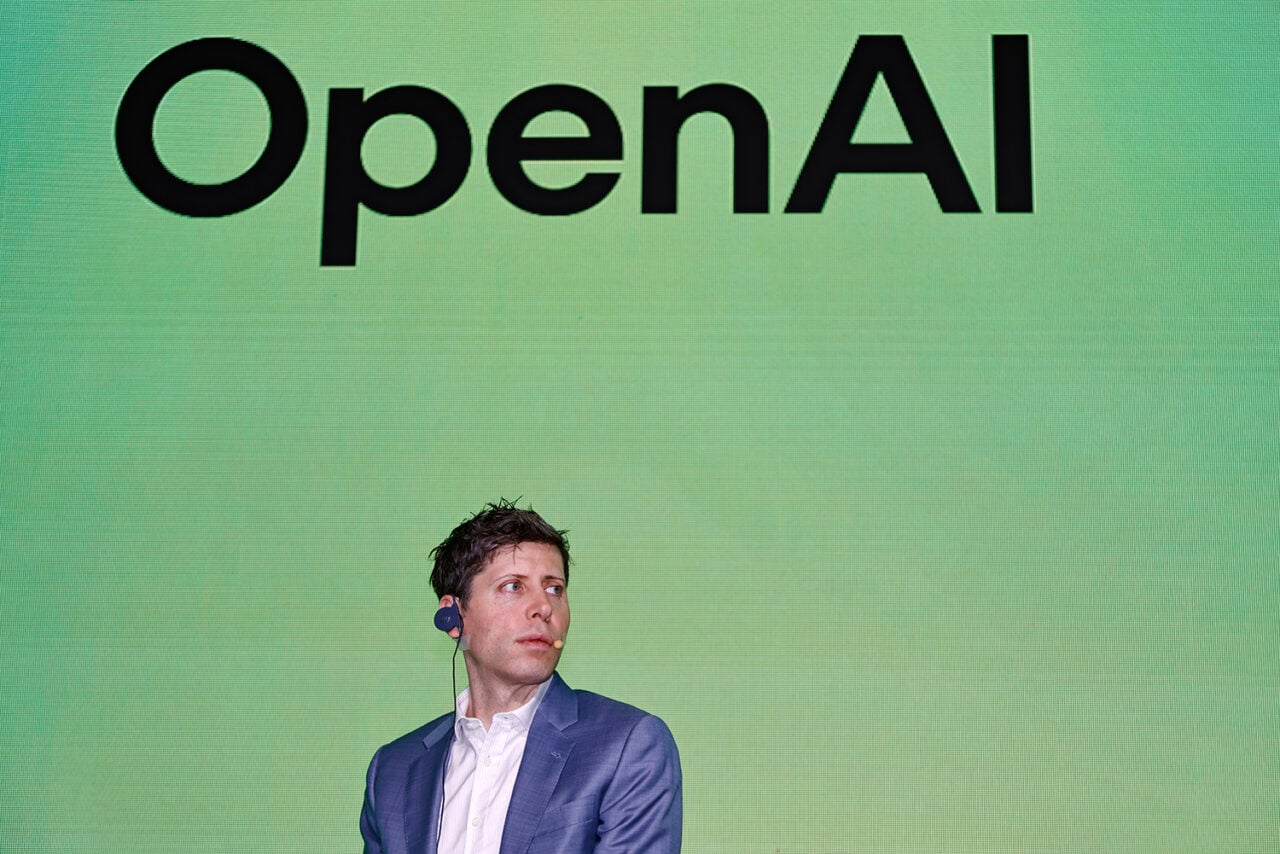
Sam Altman, CEO of OpenAI, is actively exploring the ambitious concept of deploying artificial intelligence data centers beyond our planet. In pursuit of this futuristic goal, Altman has engaged in discussions about investing billions of dollars in Stoke Space, a Seattle-based aerospace startup focused on developing a fully reusable launch vehicle. These negotiations, which began in mid-2023 and extended into the fall, aim to secure a strategic partnership or acquisition that would enable OpenAI to establish AI infrastructure in space.
The Growing Energy Challenge of AI Data Centers on Earth
Currently, the United States hosts over 5,000 AI-powered data centers, a figure projected to surge dramatically in the coming years. This rapid expansion is placing unprecedented pressure on national power grids. According to recent analyses by Goldman Sachs, electricity consumption by AI data centers is expected to rise by 50% by 2027 and could soar as high as 165% by 2030. OpenAI itself is investing heavily in constructing new, high-capacity terrestrial data centers to keep pace with AI’s escalating computational demands. However, industry leaders acknowledge the physical and environmental limits of continually expanding ground-based facilities.
Innovative Alternatives: Harnessing Space for Sustainable AI Growth
In a recent interview, Altman shared his perspective on the inevitable saturation of Earth’s surface with data centers, suggesting a radical alternative: relocating these facilities into space. He envisions orbiting data centers powered by solar energy, potentially utilizing advanced concepts such as Dyson spheres-hypothetical megastructures designed to capture vast amounts of solar power. This approach could alleviate terrestrial energy constraints while supporting the exponential growth of AI technologies.
While still in the conceptual phase, Altman admits the challenges are significant and solutions remain uncertain. Yet, the idea reflects a broader trend of leveraging space-based resources to address Earth-bound technological bottlenecks.
Stoke Space and the Race for Reusable Rockets
Stoke Space aims to rival SpaceX’s Falcon 9 with its own medium-lift rocket, Nova, which promises full reusability-a critical factor in reducing launch costs and enabling frequent space missions. Should OpenAI finalize a deal with Stoke Space, it would not only accelerate the deployment of AI data centers in orbit but also intensify the competitive dynamics within the private spaceflight industry. This move could also be seen as a strategic counterpoint to Elon Musk, whose SpaceX has been a key player in both space exploration and AI development debates.
By entering the aerospace sector, Altman could simultaneously address the energy and infrastructure challenges of AI and position OpenAI at the forefront of space innovation.
Looking Ahead: The Intersection of AI and Space Technology
The concept of space-based AI data centers remains speculative but highlights the growing intersection between artificial intelligence and space technology. As AI workloads continue to expand, innovative solutions like orbital data centers could become essential. With global data consumption expected to increase by over 60% annually, according to recent industry reports, the pressure to find sustainable infrastructure solutions is mounting.
Altman’s exploration into space-based data centers exemplifies the forward-thinking approaches necessary to sustain AI’s rapid evolution while mitigating environmental impacts on Earth.