OpenAI’s Stargate Initiative: Expanding AI Infrastructure Across the United States
Ambitious Expansion of AI Data Centers Backed by Industry Giants
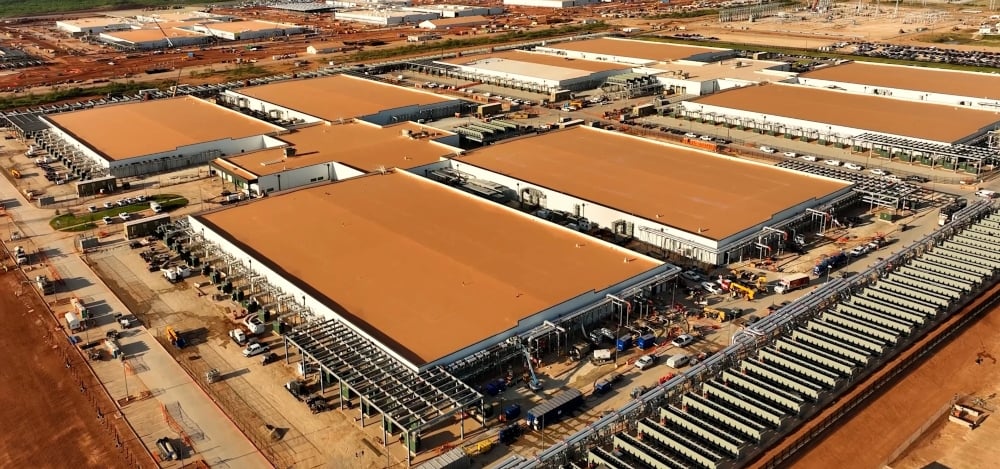
OpenAI has unveiled an extensive plan to establish five additional high-capacity data centers across the United States as part of its Stargate project, a massive effort aimed at creating a global AI computing network. This initiative, valued at approximately $500 billion, is a collaborative venture involving major technology players such as Oracle, SoftBank, and AI investment firm MGX, among others.
Strategic Locations and Projected Capacity Growth
The new facilities are slated for Shackelford County and Milam County in Texas, Dona Ana County in New Mexico, Lordstown in Ohio, and an undisclosed site somewhere in the American Midwest. These additions will complement Stargate’s existing data center in Abilene, Texas, collectively boosting the project’s total computing power to an estimated seven gigawatts within the next three years. OpenAI is targeting a total capacity of 10 gigawatts by the end of this year, underscoring the rapid pace of their infrastructure development.
Financial and Technical Roles of Key Partners
SoftBank has committed to assuming the primary financial responsibilities for the project, while Oracle is set to provide critical backend infrastructure support. Despite these commitments, Oracle has yet to finalize contracts or forecast revenue streams related to the Stargate buildout. Nvidia also plays a pivotal role, contributing a substantial investment of $100 billion and supplying millions of GPUs that serve as the computational backbone for the entire AI data center network.
Leadership Vision and Industry Impact
OpenAI CEO Sam Altman emphasized the importance of robust computing infrastructure in realizing AI’s full potential. “The promise of AI hinges on the availability of powerful compute resources,” Altman stated in a recent press release. “Building this foundation is essential not only to democratize AI benefits but also to drive future technological breakthroughs.” He highlighted the project’s historic progress and the urgency to exceed initial targets, setting the stage for continued innovation.
Economic and Workforce Implications
The expansion is expected to generate approximately 25,000 new jobs across the various sites, spanning roles in construction, operations, and technical maintenance. However, OpenAI has not disclosed detailed plans or budgets concerning the substantial power and water infrastructure necessary to sustain these energy-intensive data centers, a critical factor given the increasing scrutiny on environmental impacts of large-scale AI operations.
Contextualizing the AI Infrastructure Boom
The Stargate project exemplifies the escalating investments in AI infrastructure as companies race to meet soaring demand for computational power. Similar initiatives worldwide are driving a surge in data center construction, with global AI infrastructure spending projected to exceed $600 billion by 2026. This trend reflects the growing recognition that AI’s transformative capabilities depend heavily on the underlying hardware ecosystem.
Looking Ahead: Challenges and Opportunities
While the Stargate project promises to significantly enhance AI capabilities, it also raises questions about sustainability, supply chain logistics, and the long-term economic viability of such massive investments. The collaboration between OpenAI, Oracle, SoftBank, Nvidia, and other partners will be closely watched as a bellwether for the future of AI infrastructure development.