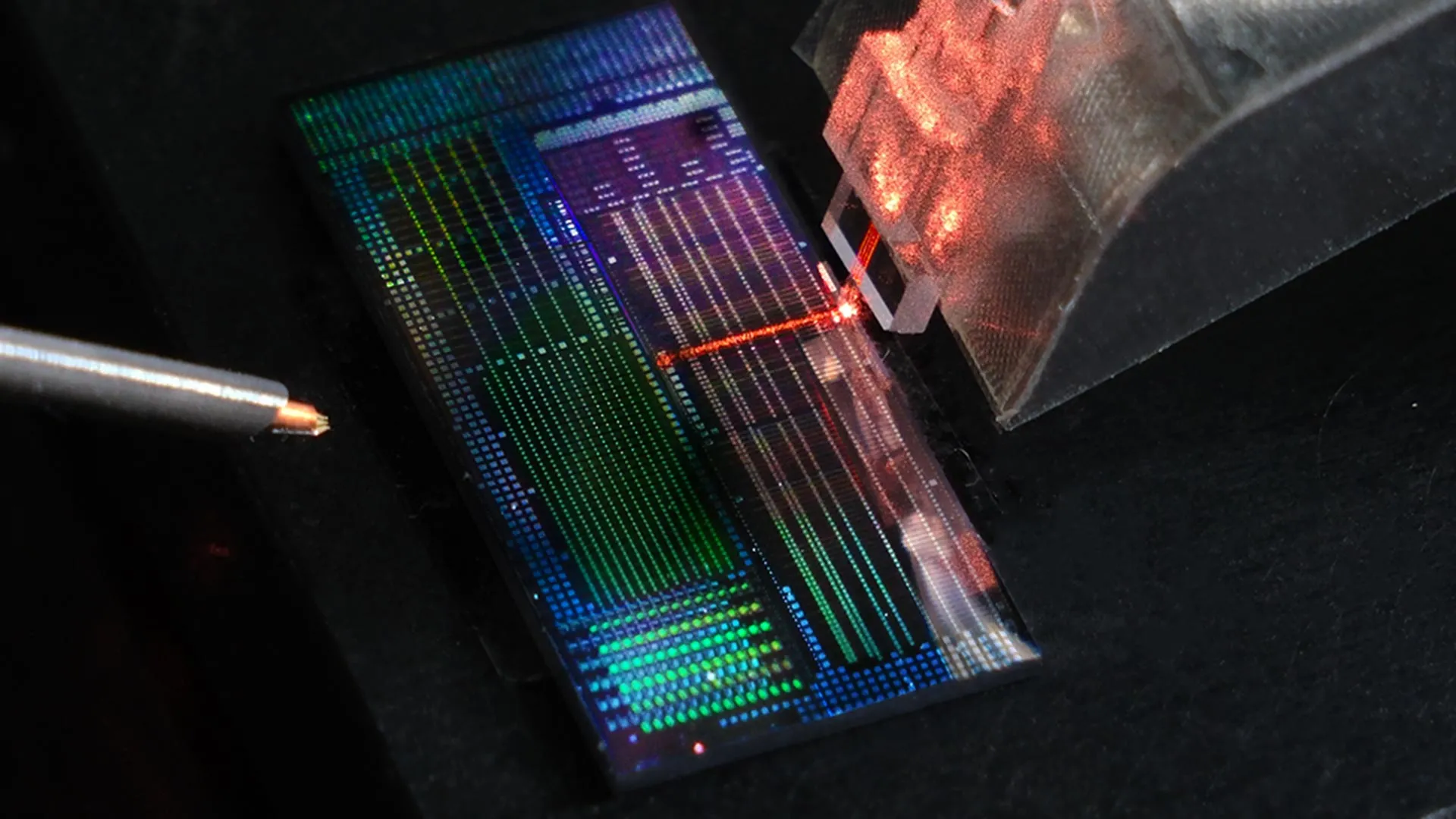
OpenAI and Broadcom Join Forces to Develop Custom AI Chips for Data Centers
In a strategic move to enhance its AI infrastructure, OpenAI has partnered with semiconductor giant Broadcom to design and manufacture proprietary computer chips tailored specifically for its AI data centers. This collaboration marks a significant step in OpenAI’s efforts to diversify its hardware sources beyond Nvidia and to secure the immense computational power necessary for advanced AI applications such as ChatGPT and Sora. By engineering its own silicon, OpenAI aims to integrate insights gained from cutting-edge AI model development directly into the hardware, thereby unlocking unprecedented levels of performance and intelligence.
Massive Scale of AI Computing Power
OpenAI announced plans to deploy an impressive 10 gigawatts of custom AI accelerators powered by these new chipsets and systems. To illustrate the scale, this energy output is roughly equivalent to the capacity of ten typical nuclear power plants, each generating about 1 gigawatt. Broadcom is slated to begin rolling out these AI hardware racks starting in 2026, with full deployment expected by 2029. Sam Altman, OpenAI’s CEO and co-founder, emphasized that this partnership is a pivotal milestone in building the foundational infrastructure needed to fully realize AI’s transformative potential and deliver tangible benefits to both individuals and enterprises. This initiative follows OpenAI’s recent exclusive computing collaboration with Microsoft, which has opened doors for further infrastructure partnerships.
Industry-Wide Shift Toward Custom AI Hardware
The trend of developing bespoke AI chips is gaining momentum across the technology sector. Leading companies like Meta, Google, and Microsoft are investing heavily in custom silicon to expand their supply chains and reduce reliance on Nvidia’s AI processors. While these in-house chip projects have yet to significantly disrupt Nvidia’s dominance, they have created opportunities for other semiconductor manufacturers such as Broadcom to grow their presence in the AI hardware market.
Looking Ahead: The Future of AI Hardware Innovation
As AI models continue to grow in complexity and demand exponentially more computing resources, the race to develop specialized hardware is intensifying. OpenAI’s collaboration with Broadcom exemplifies how AI developers are taking control of their hardware ecosystems to optimize performance and efficiency. This approach not only promises to accelerate AI advancements but also signals a broader shift in the industry toward vertically integrated AI solutions that blend software innovation with custom-designed hardware.