Introducing Sora 2: OpenAI’s Revolutionary AI-Powered Text-to-Video Platform
Next-Generation AI Video Creation Arrives
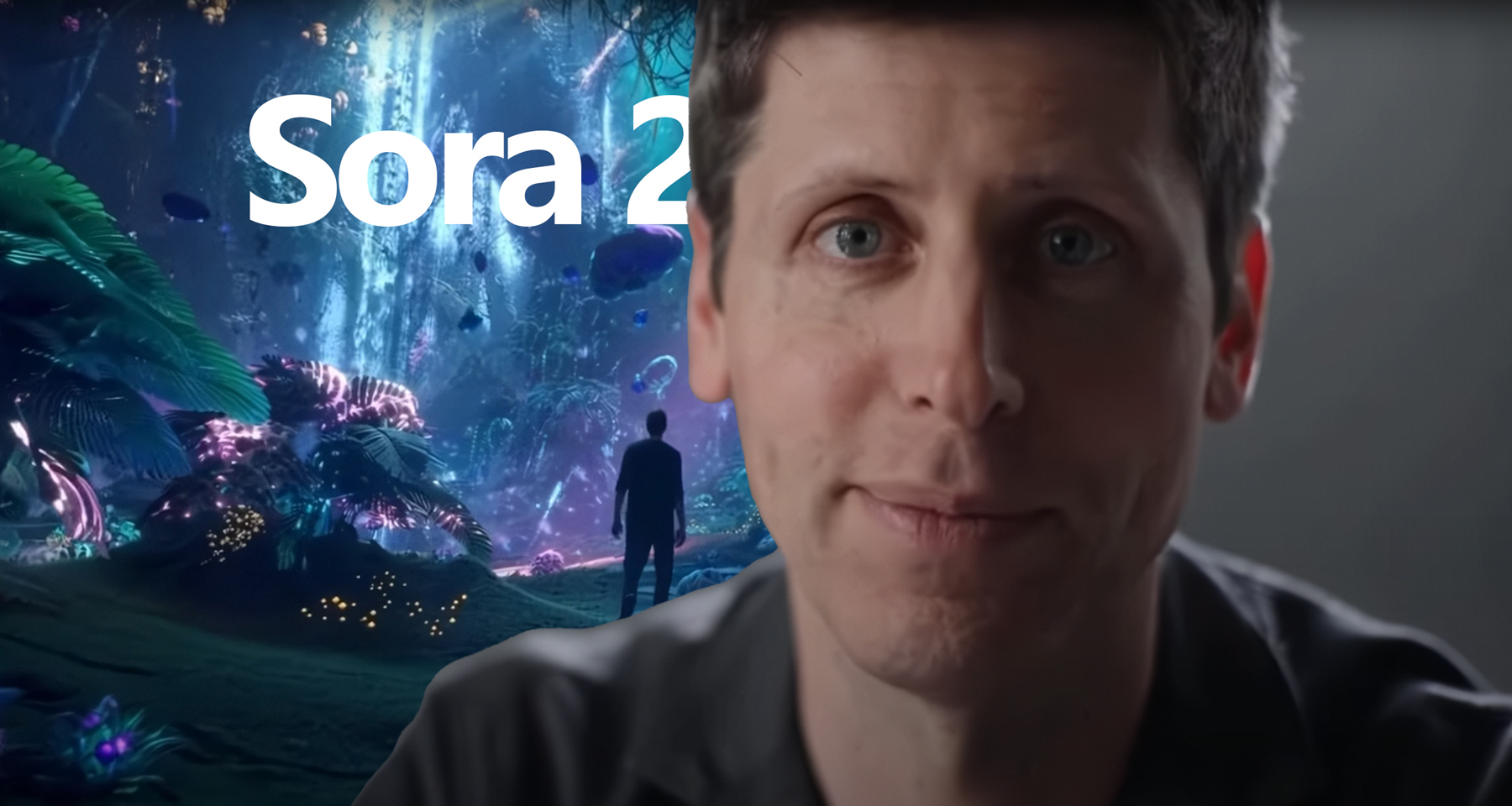
OpenAI unveiled Sora 2 in December 2024, marking a major advancement in generative AI for transforming text prompts into video content. This release comes just ten months after the debut of the original Sora model in February 2024, showcasing rapid progress in AI-driven multimedia generation.
Enhanced Realism and Physical Accuracy
Sora 2 delivers a remarkable boost in video realism, surpassing its predecessor by a wide margin. The AI now demonstrates a deeper comprehension of physical laws and human biomechanics, resulting in more natural interactions between characters and objects. For example, movements adhere more convincingly to gravity and realistic joint limitations, creating scenes that feel genuinely lifelike.
Overcoming the Uncanny Valley
While Sora 2’s outputs are impressively authentic, occasional subtle imperfections still trigger the “uncanny valley” effect-where near-human visuals evoke a slight sense of discomfort. However, with Sora 3 and Sora 4 already in development, the boundary between AI-generated and real footage is rapidly diminishing, hinting at a future where distinguishing the two may become impossible.
Introducing “Cameo”: Personalized Digital Avatars
A standout new feature in Sora 2 is “Cameo,” which enables users to create a digital replica of themselves by scanning their face via smartphone. This avatar can then star in AI-generated videos, opening up exciting possibilities for personalized content creation. Users retain full control over their Cameo’s privacy settings, deciding whether to share it publicly, with friends, or keep it private. Additionally, collaborative videos featuring multiple Cameos are possible if all parties consent.
Sora 2’s Unique Position in the Short-Form Video Landscape
Functionally, Sora 2 resembles popular short-video platforms like TikTok, Instagram Reels, and YouTube Shorts, but with a critical distinction: every clip is entirely AI-generated. This raises intriguing questions about audience appetite for synthetic content versus traditional user-generated videos. Unlike other platforms where AI content is mixed with real footage and often labeled, Sora 2’s library is exclusively AI-crafted.
Diverse Content Across Genres
From dynamic skateboarding stunts and tennis rallies to product commercials, dance battles, cinematic trailers, and comedy sketches, Sora 2 showcases a broad spectrum of digitally animated humans and scenarios. This versatility makes it a compelling tool for filmmakers, advertisers, and digital creators seeking innovative storytelling methods.
Technical Capabilities and Industry Comparison
Sora 2 can generate high-definition videos up to 16 seconds long, complete with synchronized dialogue, sound effects, and audio tracks. This represents a significant improvement over Google’s Veo 3 model, which was limited to 8-second clips. Although 4K resolution is not yet supported, the quality and coherence of Sora 2’s output set a new benchmark in AI video synthesis.
Copyright Challenges and Industry Reactions
One of the most contentious issues surrounding Sora 2 is its approach to copyrighted content. OpenAI has stated that the model’s training includes copyrighted materials unless rights holders explicitly opt out. This policy has prompted major companies like Disney to exclude their content from the platform, igniting ongoing debates about intellectual property rights in AI-generated media.
“They are potentially exposing themselves to legal challenges in specific cases,” warns Mark Lemley, a professor at Stanford Law School, highlighting the complex legal landscape ahead.
Community Buzz and Viral Creations
The launch of Sora 2 has sparked a wave of excitement online, especially on platforms like X (formerly Twitter), where users share stunning examples of the model’s capabilities. Notable creations include futuristic cityscapes with flying cars and neon-lit skyscrapers, as well as imaginative scenes featuring AI-generated versions of public figures in extraordinary settings.
OpenAI’s official X account has also posted impressive demos, such as CEO Sam Altman and researcher Bill Peebles depicted jet skiing in the Arctic and riding dragons on the moon, illustrating the platform’s creative potential.
Availability and Pricing
Currently, Sora 2 is accessible by invitation only in the United States and Canada, with no confirmed release date for Australia or other regions. The Sora App is available for download on the iOS App Store, where users can sign up to receive updates about regional availability.
The base version of Sora 2 is free to use, albeit with certain usage limits described by OpenAI as “generous.” Subscribers to ChatGPT Pro gain access to “Sora 2 Pro,” which offers enhanced video quality and additional features.
The Future of Video Creation
Sora 2 offers a glimpse into a future where video production is democratized, allowing anyone to bring their ideas to life with minimal technical barriers. As AI continues to evolve, the landscape of visual storytelling is poised for transformative change, reshaping how content is created, shared, and consumed.