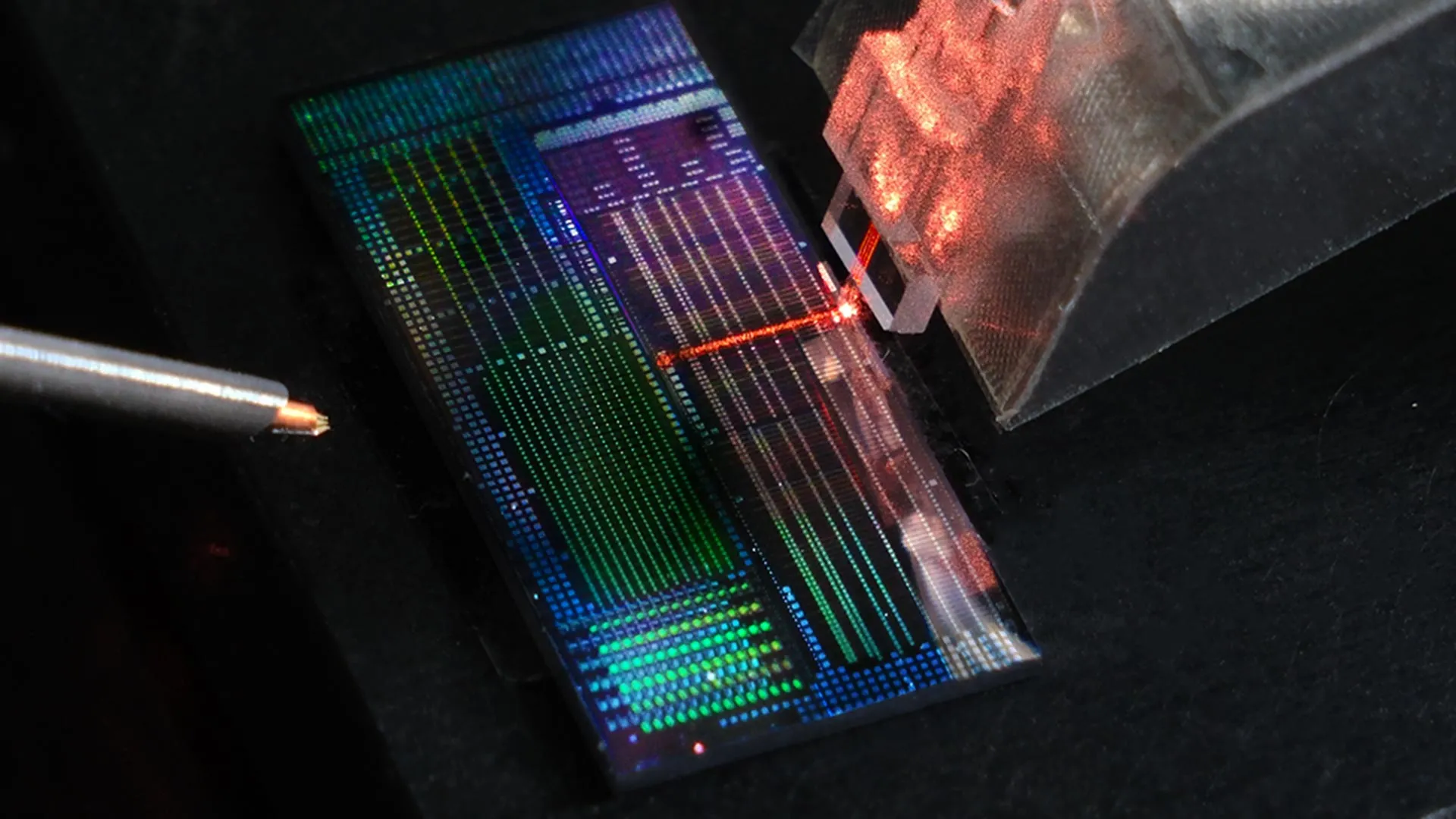

OpenAI and Nvidia have entered into a landmark agreement valued at $100 billion, poised to transform the landscape of artificial intelligence development and deployment. This collaboration involves deploying a minimum of 10 gigawatts of Nvidia’s cutting-edge hardware to underpin OpenAI’s forthcoming AI infrastructure, designed to train and operate advanced models targeting superintelligence capabilities.
Transformative Partnership with Far-Reaching Impact
This strategic alliance highlights the deepening interdependence between leading AI innovators. Nvidia, the foremost provider of AI processing units, will acquire a financial interest in OpenAI, one of its largest clients. For OpenAI, this partnership secures substantial capital infusion alongside assured access to Nvidia’s premium processors, critical for scaling AI advancements.
However, this consolidation may raise competitive concerns within the industry. The deal potentially strengthens Nvidia’s dominance in AI hardware and solidifies OpenAI’s position at the forefront of AI software innovation, prompting scrutiny over market fairness and competition.
Insiders reveal the arrangement consists of two interconnected phases: Nvidia’s acquisition of non-voting shares in OpenAI, followed by OpenAI utilizing the capital to procure Nvidia’s high-performance chips.
Compute Power: The Engine Driving AI Innovation
“Compute is the foundation of all AI progress,” stated OpenAI CEO Sam Altman. “The infrastructure we’re building with Nvidia will not only fuel groundbreaking AI discoveries but also empower individuals and enterprises globally at scale.”
The partnership’s specifics are expected to be finalized shortly. Notably, the planned 10 gigawatts of computing capacity would consume energy equivalent to that used by over 8 million American households, underscoring the massive scale of this initiative.
Following the announcement, Nvidia’s shares surged by up to 4.4%, reaching an all-time high. Similarly, Oracle, a collaborator with OpenAI on the $500 billion Stargate AI data center project alongside SoftBank and Microsoft, experienced a 6% increase in stock value.
Financial and Operational Framework of the Agreement
Sources close to the negotiations indicate that upon finalizing the deal, OpenAI will officially purchase Nvidia’s systems. Concurrently, Nvidia plans to invest an initial $10 billion into OpenAI, which currently holds a valuation near $500 billion.
The first tranche of Nvidia’s hardware is slated for deployment in late 2026, with the Vera Rubin platform expected to deliver one gigawatt of computing power in the latter half of that year.
While analysts have welcomed the collaboration, some express caution regarding the potential for Nvidia’s investment to indirectly return through OpenAI’s chip acquisitions, creating a cyclical financial flow.
Bernstein analyst Stacy Rasgon commented, “This partnership supports OpenAI’s ambitious compute infrastructure goals and ensures Nvidia’s technology is integral to their success. However, concerns about circular financial arrangements are valid and likely to intensify.”
OpenAI’s Broader Strategy for AI Hardware Independence
In parallel with this deal, OpenAI continues to explore custom chip development, similar to initiatives by Google and Amazon, aiming to reduce costs and reliance on Nvidia. A source close to OpenAI confirmed that this agreement does not alter their existing compute strategies, including ongoing collaborations with Microsoft.
Earlier in 2024, reports surfaced about OpenAI’s partnerships with Broadcom and Taiwan Semiconductor Manufacturing Company (TSMC) to co-develop specialized AI chips. Following the Nvidia announcement, Broadcom’s stock experienced a slight dip of 0.8%.
OpenAI’s user base has expanded dramatically, now exceeding 700 million weekly active users worldwide, spanning individual developers to large enterprises. The Nvidia collaboration is expected to accelerate OpenAI’s pursuit of artificial general intelligence (AGI).
Context Within the Expanding AI Ecosystem
This Nvidia-OpenAI alliance adds to a growing network of partnerships among technology leaders. Since 2019, Microsoft has invested billions in OpenAI, while Nvidia recently unveiled a chip development collaboration with Intel, accompanied by a $5 billion funding commitment. Nvidia also participated in OpenAI’s $6.6 billion funding round in October 2024.
The magnitude of this new agreement may attract regulatory scrutiny. In 2023, the U.S. Department of Justice and Federal Trade Commission agreed to monitor the competitive dynamics involving Microsoft, OpenAI, and Nvidia more closely. Notably, regulatory approaches have varied between the Trump and Biden administrations, with the former adopting a more business-friendly stance.
Additionally, OpenAI and Microsoft announced a non-binding agreement earlier this month to transition OpenAI into a for-profit entity, signaling significant governance restructuring.
Antitrust expert Andre Barlow from Doyle, Barlow & Mazard warns that this deal could entrench Nvidia’s chip monopoly alongside OpenAI’s software leadership, potentially hindering competitors such as AMD in hardware and other AI model developers.
Barlow noted, “This partnership may realign economic incentives, reinforcing market dominance and creating barriers for rivals to scale effectively.” He also highlighted the Trump administration’s historically pro-business regulatory approach, which has eased constraints on AI sector growth.
Looking Ahead: The Future of AI Infrastructure
The OpenAI-Nvidia collaboration represents a pivotal moment in AI evolution, combining vast computational resources with innovative software development. As the industry anticipates the Vera Rubin platform’s launch in 2026, this partnership is set to drive unprecedented advancements toward superintelligent AI systems.
With AI adoption accelerating globally, such alliances will shape the competitive landscape and influence regulatory frameworks, underscoring the importance of balancing innovation with fair market practices.