Advancing Humanoid Robotics: Nvidia’s Breakthrough with Jetson Thor
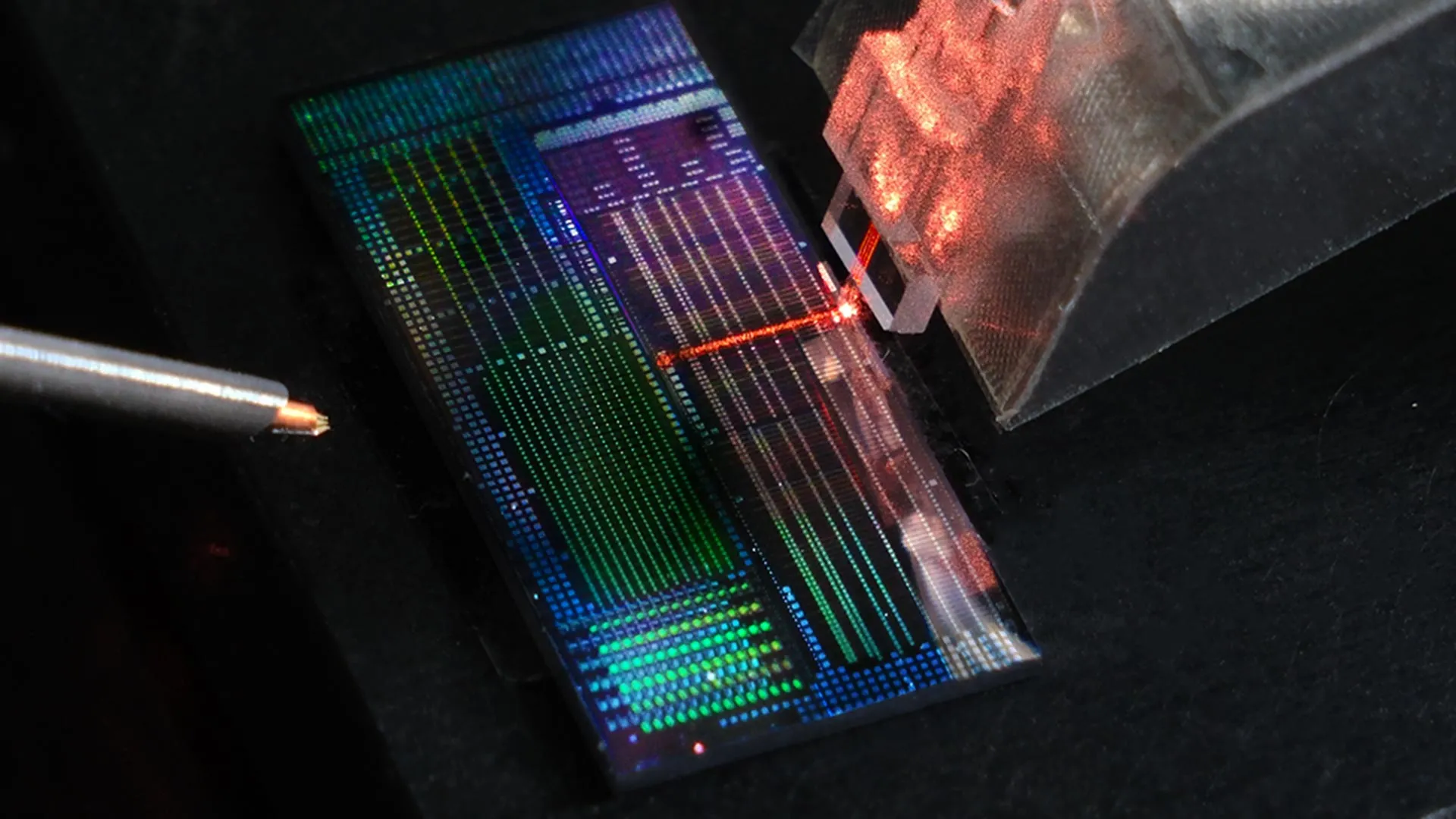
Nvidia has taken a significant leap toward creating robots that exhibit more human-like intelligence and efficiency. Their newest innovation, Jetson Thor, is a cutting-edge supercomputer designed specifically for real-time artificial intelligence processing in humanoid and intelligent machines.
Unmatched Performance and Energy Efficiency
Jetson Thor, powered by Nvidia’s latest Blackwell GPU architecture, delivers a remarkable increase in AI computing capabilities. It offers seven times the AI processing power, double the memory capacity, and operates three times faster and more efficiently than its predecessor. This enhanced performance enables robots to process sensor data and perform visual reasoning at unprecedented speeds, facilitating improved autonomous navigation, perception, and decision-making.
Enabling Real-Time Interaction in Robotics
Nvidia emphasizes that Jetson Thor addresses a critical challenge in robotics: equipping machines with the intelligence to interact seamlessly with humans and their environments in real time. This advancement is expected to accelerate the development of robots capable of complex tasks in dynamic settings.
Industry Adoption and Research Applications
Several leading companies and research institutions have already begun integrating Jetson Thor into their projects. Early adopters include tech giants like Amazon, Meta, and Caterpillar, as well as innovative startups such as Agility Robotics, which focuses on humanoid robots for warehouse and manufacturing automation. Agricultural machinery leader John Deere is also exploring the platform, alongside AI research organizations like OpenAI.
Academic institutions including Stanford University, Carnegie Mellon, and the University of Zurich are leveraging Jetson Thor to power autonomous robots for medical research and other advanced applications, highlighting the module’s versatility across sectors.
Developer Access and Pricing
The Jetson AGX Thor developer kit, which comprises the Jetson T5000 module, a reference carrier board, power supply, and an active cooling system, is now available for purchase starting at $3,499. Additionally, Nvidia’s Drive AGX Thor developer kit, tailored for autonomous vehicle applications using the same core technology, is open for pre-orders with shipments expected to begin in September.
Nvidia’s Strategic Focus on Robotics and Autonomous Machines
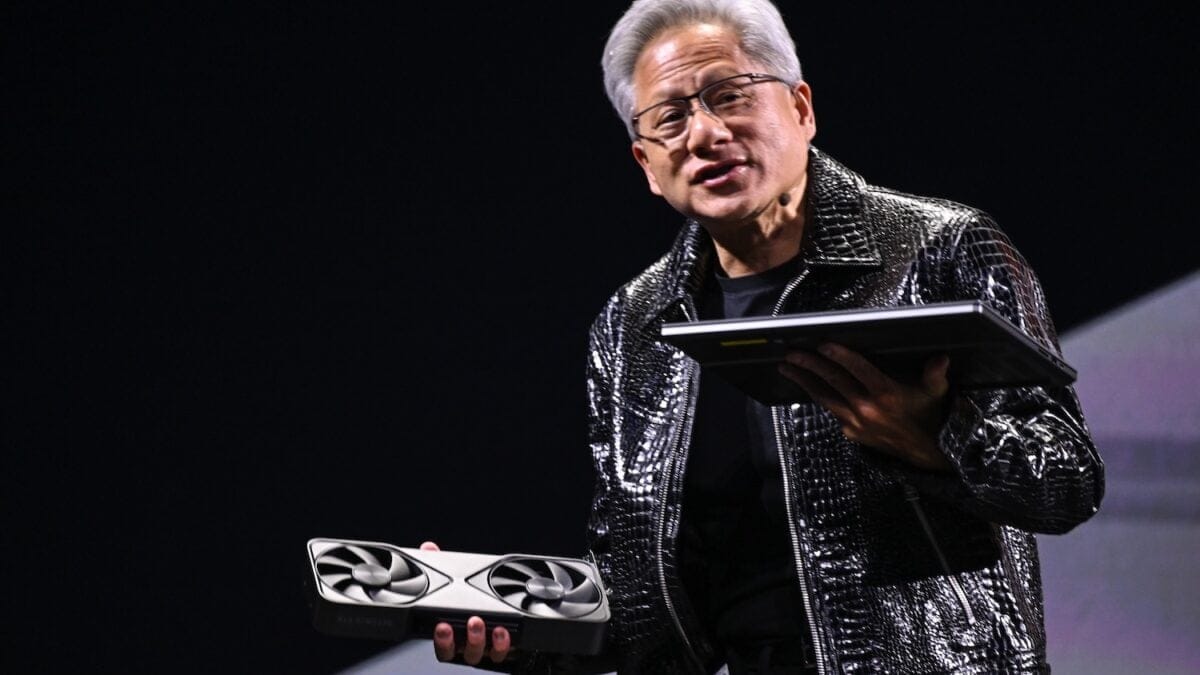
While Nvidia is renowned for its AI chips, the company is increasingly investing in robotics and autonomous vehicle technologies. CEO Jensen Huang recently highlighted that this decade will be defined by advancements in autonomous vehicles and robotics, positioning these sectors as major growth drivers for Nvidia.
Huang described the combined potential of AI and robotics as a “multitrillion-dollar growth opportunity,” underscoring the company’s commitment to scaling these technologies. Earlier this year, Nvidia introduced the Cosmos family of AI models designed to train robots, further supporting this vision.
Global Momentum in Humanoid Robotics
The momentum behind humanoid robotics is gaining worldwide traction. For instance, China recently hosted its inaugural World Humanoid Robot Games, a three-day event showcasing robots capable of sprinting 1,500 meters in under six seconds and performing practical tasks such as medication sorting and food service. Despite impressive demonstrations, the technology remains nascent, with many robots experiencing technical glitches during the competition, including one that accidentally collided with a bystander.
Market Context and Nvidia’s Upcoming Earnings
Nvidia’s announcement arrives amid heightened anticipation for its fiscal second-quarter earnings report. As the dominant player in the AI hardware market, Nvidia’s financial results are closely watched, especially given the current uncertainties surrounding AI’s economic impact and regulatory challenges.
The company faces a complex geopolitical landscape, particularly regarding AI chip sales in China amid ongoing trade tensions between Beijing and Washington. China represents a significant market for Nvidia, and these policy fluctuations contribute to investor caution.
Adding to the scrutiny, a recent MIT study revealed that fewer than 10% of corporate AI pilot projects have translated into measurable revenue growth, raising questions about the pace of AI commercialization. Despite this, Nvidia recently became the first publicly traded company to reach a $4 trillion market valuation, intensifying pressure to demonstrate that its stock price reflects genuine technological and business achievements rather than speculative hype.