Nvidia’s Groundbreaking GTC Event: Bridging Tech and Government
Nvidia’s inaugural GPU Technology Conference (GTC), held in Washington D.C. and hailed as the “Super Bowl of AI,” uniquely united government leaders and technology industry pioneers. This convergence provided a rare platform for direct dialogue between policymakers and tech executives, fostering collaboration on the future of artificial intelligence.
Advocating for Proactive AI Adoption in the U.S.
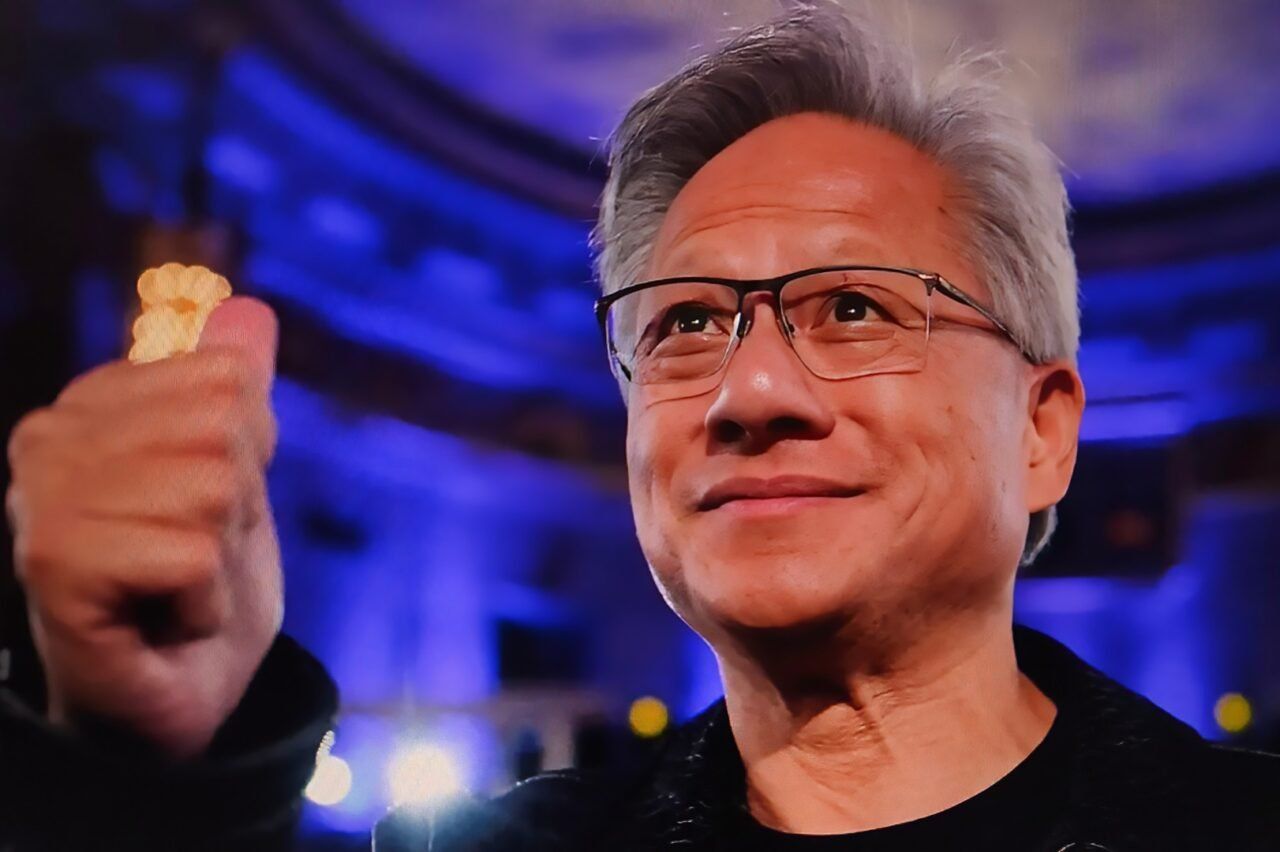
Jensen Huang, Nvidia’s CEO, seized this moment to emphasize the urgency for the United States to lead aggressively in AI integration. Speaking at a press briefing, Huang stressed that fear-driven regulations could hinder progress. Instead, he advocated for empowering every business and student to embrace AI technologies, underscoring the necessity of widespread adoption to maintain global competitiveness.
Promoting Open Trade Relations with China
Huang also made a compelling argument for normalizing trade ties with China, highlighting the strategic advantage of American technology being accessible to Chinese developers. He warned that policies restricting access risk alienating half of the world’s AI talent pool, ultimately disadvantaging the U.S. more than China. According to Huang, fostering collaboration rather than isolation is key to sustaining American leadership in AI innovation.
Export Controls and Their Impact on Nvidia
The Biden administration initially imposed export limitations on Nvidia’s chip sales to China, citing national security and competitive concerns. These restrictions intensified under the previous administration after China’s DeepSeek R1 AI model, which rivaled top U.S. AI systems using more affordable hardware, challenged American dominance. This development demonstrated that Chinese AI advancements could thrive without access to Nvidia’s most advanced chips.
During the period of stringent export bans, Nvidia faced significant financial setbacks. In a May earnings call, executives disclosed an $8 billion downward revision in projected third-quarter revenue. Following persistent lobbying by Huang, the Trump administration eased restrictions in July, albeit with a 15% reduction in sales to China. However, Huang revealed that no formal agreement had been finalized regarding this arrangement.
China’s Response and the Push for Domestic Chip Innovation
After the partial relaxation of export controls, Chinese authorities adopted a more assertive approach by discouraging domestic companies from purchasing Nvidia chips. This move aligns with Beijing’s broader strategy to decouple its AI sector from American technology dependence. Currently, China relies heavily on U.S. chipmakers like Nvidia, especially since only lower-tier chips are permitted for import.
In response, China is accelerating the development of indigenous high-performance chips, aiming to match or surpass Nvidia’s offerings. Should these efforts succeed, the U.S. risks losing its dominant position in the global semiconductor market. The momentum in China’s chip industry has surged since the earlier export bans, with companies like Cambricon scaling rapidly to meet growing demand. However, investors have been cautioned about potential overheating in this sector.
Current Challenges and Future Prospects for Nvidia
Despite these headwinds, Nvidia’s recent earnings call acknowledged ongoing challenges in the Chinese market, partly due to delays in shipping the new H20 chips. Huang is actively working to reverse this trend and restore growth in the region.
Collaborative Efforts and Diplomatic Developments
At a recent press event, Huang appeared alongside U.S. Secretary of Energy Chris Wright to announce Nvidia’s plan to construct seven large-scale AI supercomputers. Wright expressed optimism about a potential trade agreement between the U.S. and China, recognizing China’s status as a scientific and economic powerhouse. He noted that despite differences, the two nations share significant common ground.
Meanwhile, former President Trump, currently in South Korea, is scheduled to meet Chinese President Xi Jinping. Huang, who was absent from the GTC event, announced plans to travel to South Korea soon, hinting at forthcoming announcements. While he declined to confirm attendance at the Trump-Xi meeting, Huang indicated he has substantial news to share.
On Air Force One, Trump mentioned the possibility of discussing the sale of Nvidia’s Blackwell model chips to China during his talks with Xi, describing the chips as “super duper,” signaling potential shifts in trade and technology exchange policies.