Japanese Entertainment Industry Challenges OpenAI Over AI Training Practices
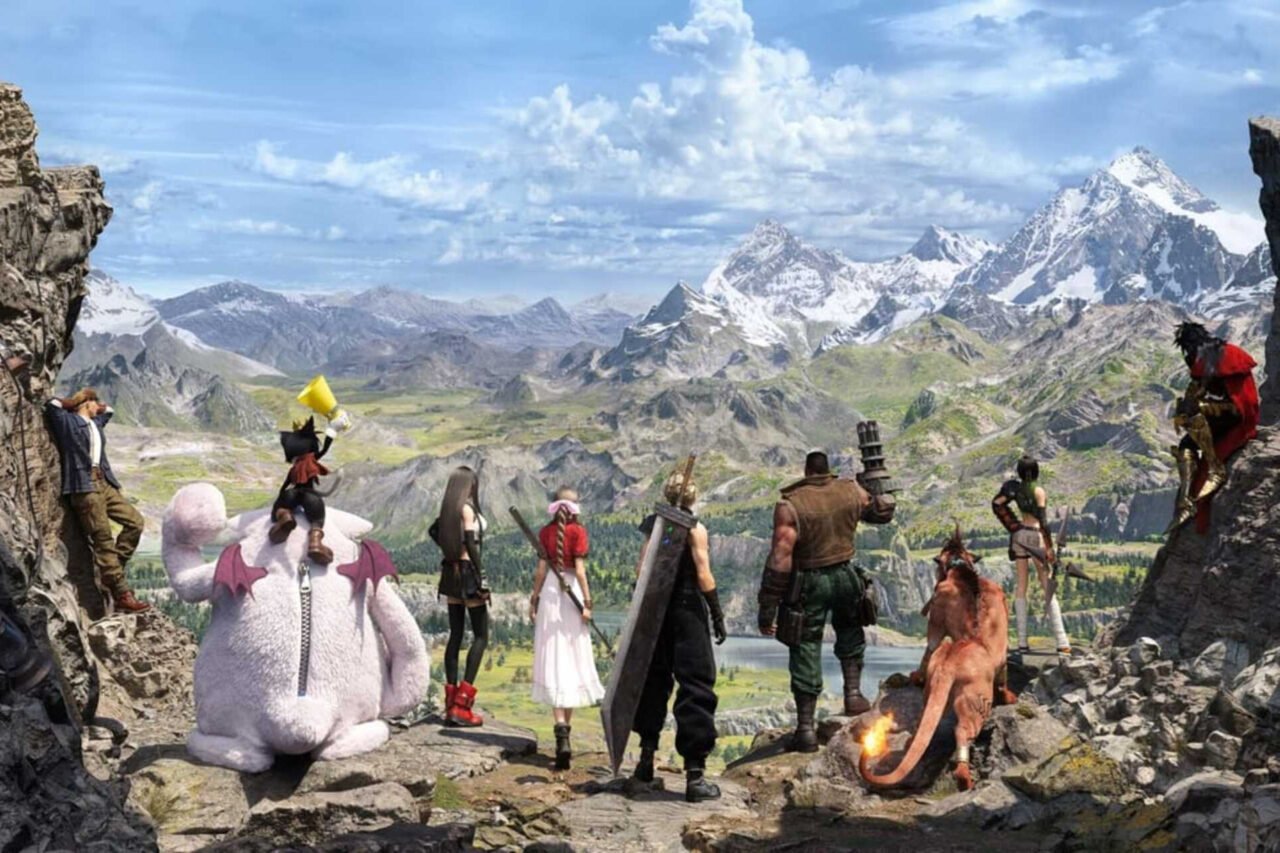
The Content Overseas Distribution Association (CODA), representing prominent Japanese entertainment giants such as Toei Animation and Square Enix, has formally addressed concerns to OpenAI regarding the use of their intellectual property in training the newly introduced Sora 2 AI model.
Allegations of Copyright Violations in AI Development
In a letter co-signed by nearly twenty industry stakeholders, CODA accused OpenAI of infringing copyrights by incorporating a significant amount of Japanese creative content into Sora 2’s training data. The association highlighted that many outputs generated by Sora 2 bear a striking resemblance to existing Japanese works, suggesting unauthorized use of protected material.
CODA also criticized OpenAI’s current policy, which permits the use of copyrighted content unless the rights holders explicitly opt out. Contrastingly, under Japanese copyright law, the default stance requires explicit opt-in consent before such content can be utilized for machine learning purposes.
Demands for Transparency and Respect for Intellectual Property
CODA’s letter outlined two primary requests: first, that OpenAI cease using their members’ copyrighted works for training Sora 2 without prior authorization; second, that OpenAI engage earnestly with CODA’s inquiries and claims regarding copyright infringements linked to the AI’s outputs.
These concerns have drawn attention from Japanese policymakers as well. Minoru Kiuchi, former Minister of State responsible for intellectual property and AI strategy, along with other officials, have voiced apprehensions about the ethical and legal implications of generative AI models trained on copyrighted content.
Contextualizing the Debate: AI, Creativity, and Ethics
Earlier this year, OpenAI CEO Sam Altman publicly celebrated the AI’s capability to generate images inspired by Studio Ghibli’s distinctive style using ChatGPT’s latest update. However, such technological feats have sparked controversy, especially when AI-generated imagery has been repurposed in politically charged contexts, such as former President Donald Trump’s use of AI visuals to support immigration policies.
Current Status and Industry Outlook
At the time of reporting, OpenAI had not issued a formal response to CODA’s demands. Meanwhile, the association has signaled its readiness to pursue ethical and legal remedies to protect its members’ copyrights, emphasizing that such actions will be taken irrespective of whether generative AI is involved.
Looking Ahead: The Future of AI and Copyright Law
This dispute underscores the growing tension between rapid AI advancements and existing intellectual property frameworks. As generative AI technologies continue to evolve, industries worldwide are grappling with how to balance innovation with respect for creators’ rights. Recent studies indicate that over 70% of content creators globally are concerned about unauthorized AI training on their works, highlighting the urgency for clearer regulations and collaborative solutions.
Stay informed about upcoming releases in major franchises like Marvel, Star Wars, and Star Trek, as well as developments in the DC Universe and the future trajectory of Doctor Who.