Intel and Nvidia Forge New Partnership to Integrate GPU Technology
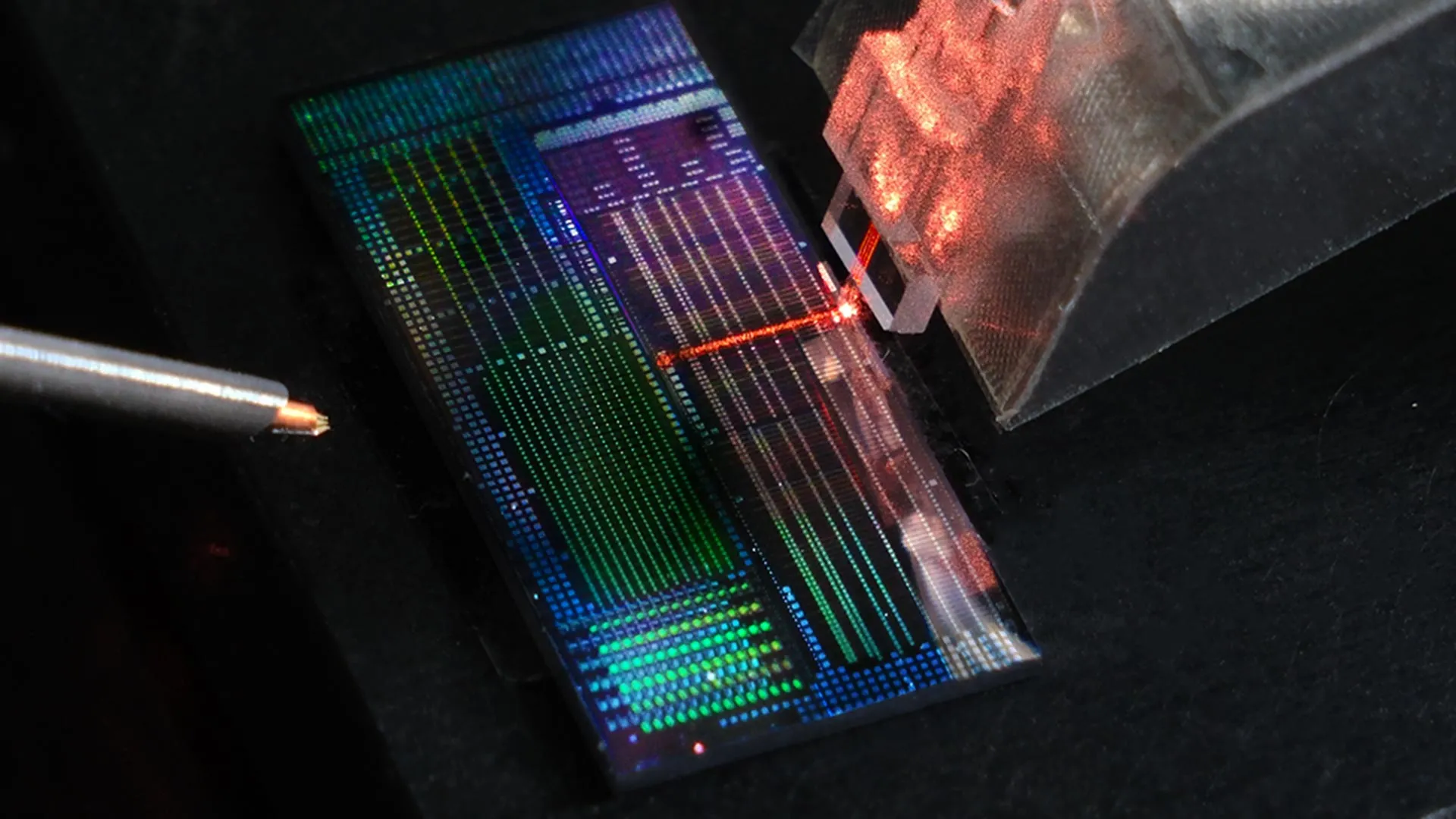
In a significant development for the semiconductor industry, Nvidia’s CEO Jensen Huang has revealed that Nvidia will supply “GPU chiplets” to Intel. These chiplets are designed to be integrated alongside Intel’s x86 processor cores, marking a shift from Intel’s current use of its own Arc integrated graphics solutions. This collaboration aims to enhance Intel’s graphics capabilities by leveraging Nvidia’s advanced GPU technology.
Intel’s Commitment to Its Graphics Roadmap
Despite this partnership, Intel has clarified that it will continue to develop and offer its own GPU products. A spokesperson emphasized that while specific future plans are not being disclosed, the collaboration with Nvidia is intended to complement Intel’s existing graphics roadmap rather than replace it. This dual approach could allow Intel to maintain a competitive edge in both CPU and GPU markets.
Industry Perspectives and Market Implications
Some industry analysts express skepticism about Intel’s long-term commitment to graphics innovation, especially given the company’s recent cost-cutting measures and restructuring efforts. Questions remain about whether Intel will fully invest in competing with established GPU leaders like Nvidia and AMD, particularly as Nvidia continues to dominate the discrete graphics market with its cutting-edge architectures.
However, Intel has demonstrated potential in recent projects, such as the B580 motherboard and the unexpected success of MSI’s Claw handheld gaming device, which utilized Intel technology. These examples suggest that Intel still has opportunities to innovate and capture market share in the graphics space.
Looking Ahead: What This Means for Consumers and Developers
The integration of Nvidia’s GPU chiplets into Intel processors could lead to more powerful and efficient computing solutions, benefiting gamers, content creators, and professionals who rely on high-performance graphics. This partnership may also accelerate the development of hybrid CPU-GPU architectures, a trend that is gaining momentum in the industry.
As the semiconductor landscape evolves rapidly, consumers and developers alike should watch closely how Intel and Nvidia’s collaboration unfolds. The combined expertise of these two giants has the potential to reshape the future of integrated graphics and computing performance.
Stay updated on this story and more by following our technology coverage.