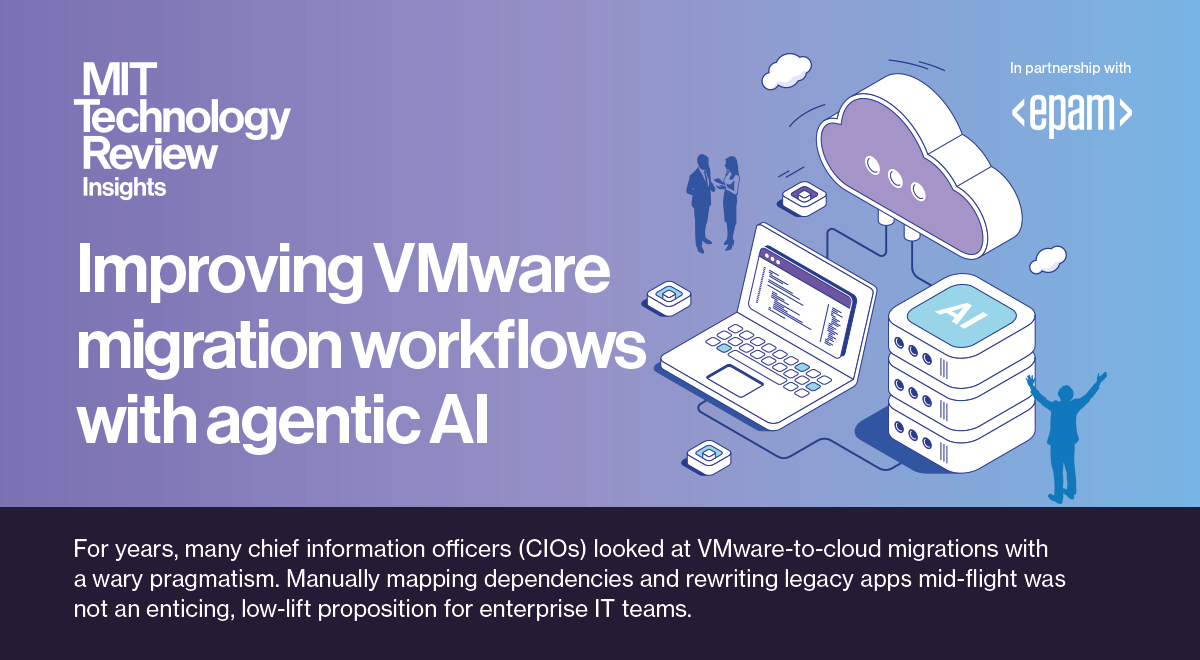
Reevaluating VMware-to-Cloud Transitions in the Era of Rapid Cloud Innovation
Historically, many Chief Information Officers (CIOs) approached the migration from VMware environments to cloud platforms with cautious skepticism. The complexity of manually charting application dependencies and the daunting task of refactoring legacy systems mid-migration made such projects seem labor-intensive and risky for enterprise IT departments.
Shifting Dynamics in Cloud Adoption and VMware Licensing
However, the landscape has shifted considerably in recent times. Recent modifications to VMware’s licensing policies have introduced a layer of uncertainty regarding the platform’s long-term viability. Concurrently, the pace of cloud-native technology adoption is accelerating at an unprecedented rate. Industry data reveals that nearly 9 out of 10 organizations have integrated some form of cloud-native methodologies into their operations. Moreover, the proportion of companies conducting almost all their development and deployment through cloud-native approaches surged from 20% in 2023 to 24% in 2024.
Market analysts also highlight that cloud service providers have emerged as pivotal strategic collaborators, especially in advancing generative AI projects. This trend underscores the growing reliance on cloud infrastructure to support cutting-edge AI workloads.
Meeting the Demands of an AI-Driven Future
Amid mounting pressure to accelerate innovation while optimizing costs, enterprises are grappling with the challenge of scaling compute resources. Maintaining these demands solely through on-premises infrastructure is becoming increasingly impractical and financially burdensome. Cloud platforms offer the scalability and flexibility necessary to support the intensive computational needs of AI-first strategies.
Conclusion: Embracing Cloud-Native Strategies for Sustainable Growth
As organizations navigate this evolving environment, embracing cloud-native technologies and reconsidering traditional VMware-centric architectures is becoming essential. The combination of licensing uncertainties, rapid cloud innovation, and the imperative to support AI workloads is driving a strategic pivot toward cloud ecosystems that promise agility, cost-efficiency, and future readiness.