Why Wired Ethernet Remains Essential in Modern Smart Homes
When discussing smart home technology and home entertainment, wireless connections like Wi-Fi, Zigbee, Bluetooth, Thread, and Z-Wave often dominate the conversation. However, many smart devices still rely heavily on traditional wired Ethernet to deliver optimal performance and reliability.
For instance, the Philips Hue Bridge requires an Ethernet connection to function seamlessly. While devices such as the Apple TV streaming box support Wi-Fi, connecting them via Ethernet significantly enhances streaming stability and speed. Similarly, smart hubs benefit from wired connections to reduce latency and improve responsiveness. Gamers using consoles like the PlayStation 5 or Xbox Series X know that a stable Ethernet connection is crucial for maintaining competitive performance and minimizing lag.
Managing Ethernet Port Limitations with Network Switches
One common challenge is that most Wi-Fi routers or mesh systems offer only a handful of Ethernet ports-often just one or two-making it difficult to connect multiple wired devices simultaneously. To overcome this, investing in an Ethernet switch is a practical solution.
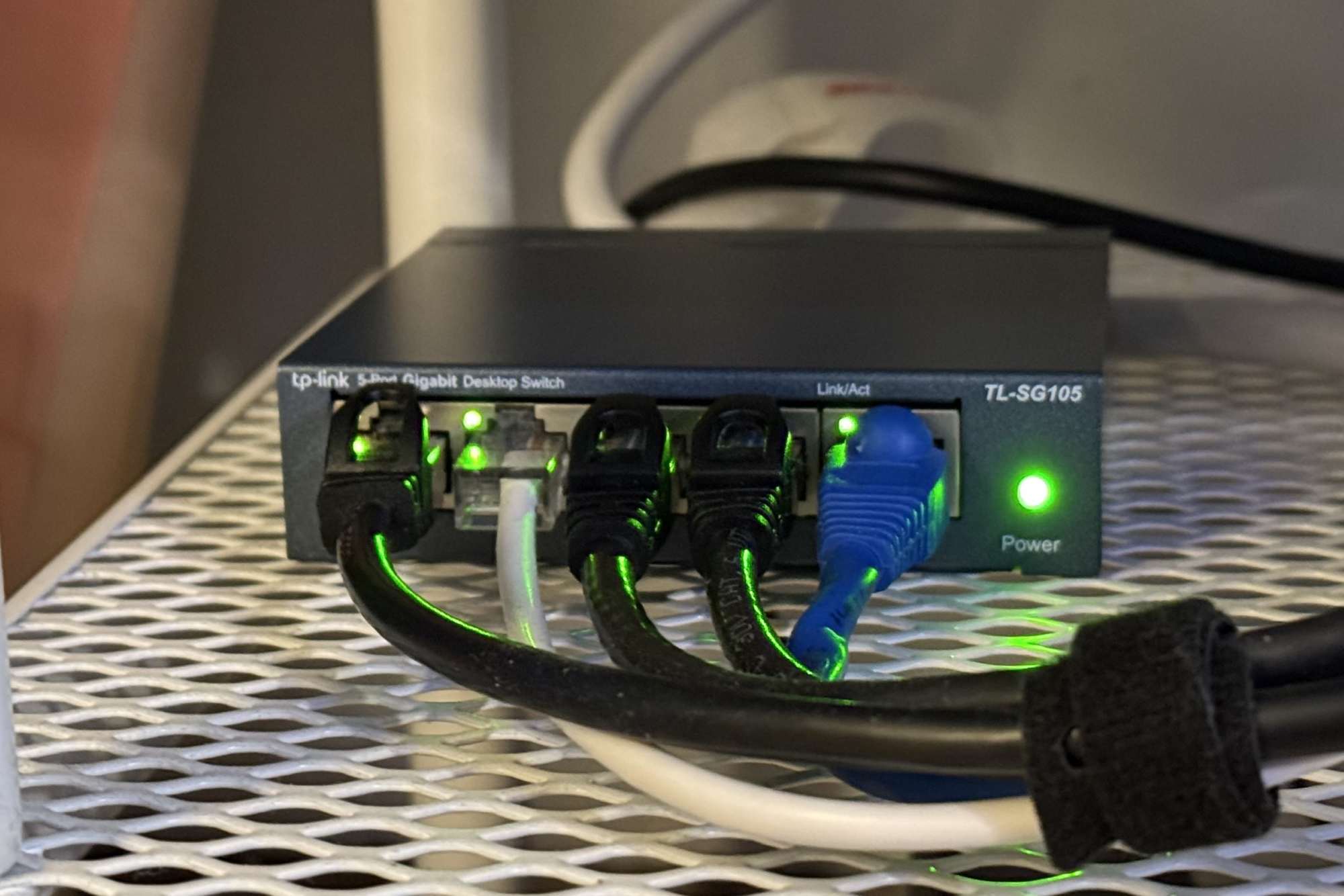
For example, the TP-Link unmanaged 5-port Gigabit Ethernet switch is an affordable and reliable option, currently available for around $13 ahead of major sales events. If your setup demands more connections, an 8-port model priced near $30 offers additional flexibility without breaking the bank.
Real-World Applications: A Smart Home Ethernet Setup
In my own smart home, I utilize three TP-Link 5-port switches strategically placed to maximize connectivity. One is positioned under my desk, linking my PC, Philips Hue Bridge, and an HDHomeRun over-the-air TV tuner. This switch connects back to my mesh Wi-Fi router, and I even daisy-chain a second switch to expand port availability.
Another switch resides in my office, housed within a steel cabinet containing four Raspberry Pi units. These devices run various local services such as HomeBridge, which integrates non-HomeKit devices into Apple’s Home app; Home Assistant, a versatile smart home platform; and Plex, a self-hosted media server paired with my HDHomeRun tuner. While these Raspberry Pis can operate over Wi-Fi, Ethernet ensures a more stable connection, especially for streaming high-definition content.
The third switch is located behind my living room TV, connecting an Apple TV 4K and a PlayStation 5. This setup helps prevent audio dropouts during AirPlay streaming and maintains smooth gameplay.
Simple Setup and Long-Term Reliability
TP-Link’s unmanaged switches are straightforward to install. They do not assign IP addresses automatically, so you simply connect the switch’s uplink port to your router or mesh hub and plug in your Ethernet devices. Multiple switches can be linked together to expand your network further. Each switch is powered by a compact AC adapter, making them easy to place anywhere in your home.
Having used these switches for several years, I can attest to their durability and consistent performance. For anyone facing a shortage of Ethernet ports in their smart home or entertainment system, adding one or more of these switches is a cost-effective way to enhance connectivity and reliability.
Current Deals on Ethernet Switches
As of now, the TP-Link TL-SG105 5-port Gigabit Ethernet switch is available for approximately $12.99, making it an excellent investment for expanding your wired network without a significant expense.