
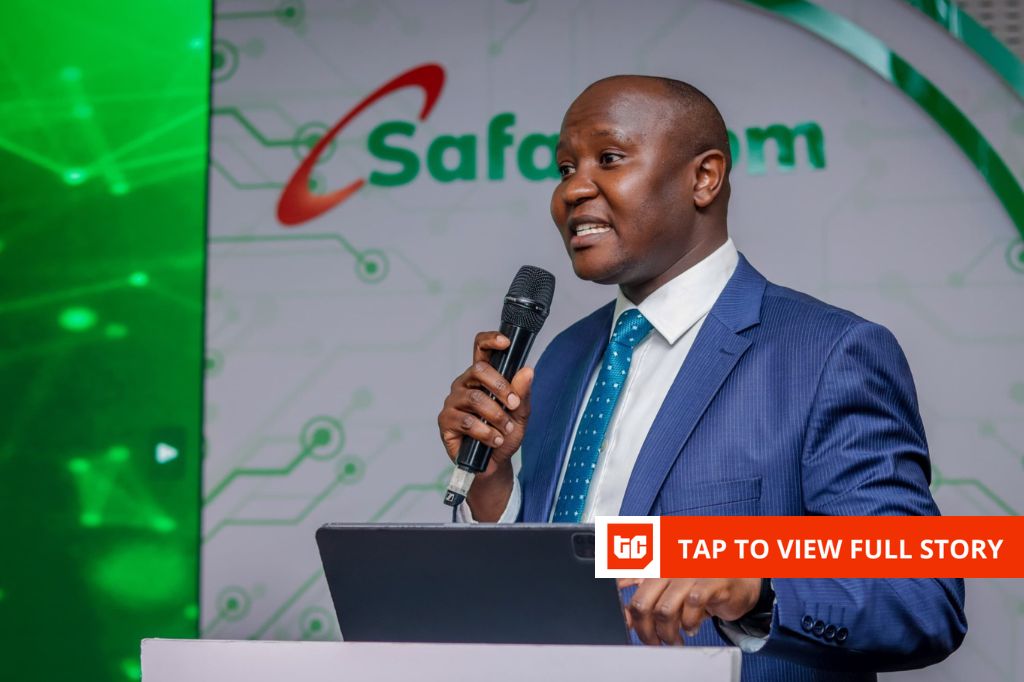
Safaricom Uncovers Money Laundering Linked to Betting Platforms via Advanced AI Surveillance
Kenya’s leading telecommunications provider, Safaricom, has identified instances of money laundering connected to betting companies utilizing its M-PESA mobile money service. This discovery follows the implementation of sophisticated artificial intelligence (AI) technologies designed to monitor and flag suspicious financial activities in real time.
Enhanced AI Systems Strengthen Anti-Money Laundering Efforts
According to Safaricom’s latest 2025 Sustainability Report, the company’s upgraded anti-money laundering (AML) framework has successfully detected illicit fund flows through betting platforms and flagged questionable international money transfers. The telco employs a combination of real-time transaction monitoring, machine learning algorithms, and sanctions screening to identify and prevent fraudulent activities.
Safaricom emphasizes strict adherence to Ultimate Beneficial Ownership (UBO) verification and regulatory reporting standards as critical components of its compliance strategy. These measures aim to ensure transparency and accountability across all financial transactions processed via M-PESA.
The Rapid Expansion of Kenya’s Betting Industry and Its Risks
Kenya’s betting sector has experienced exponential growth, fueled by a youthful population passionate about sports and the widespread adoption of mobile payment solutions. Current estimates suggest that Kenyan bettors wager over KES 350 billion (approximately $2.7 billion) annually, with more than KES 160 billion ($1.2 billion) transacted through M-PESA alone. This immense volume makes the platform a lucrative target for illicit financial activities.
With M-PESA handling upwards of 10 million transactions daily, valued at around $200 million, Safaricom’s AI-driven monitoring system plays a pivotal role in detecting potential money laundering, fraud, and sanctions violations. While the company has not publicly named specific betting firms involved, these findings align with prior governmental concerns regarding the gaming sector’s vulnerability to misuse for laundering dirty money.
Money Laundering Dynamics Within Betting Firms
Government analyses indicate that while individual bettors pose a relatively low risk for money laundering, the threat is significantly higher among betting companies, many of which operate with foreign ownership. Authorities suspect that some operators commingle proceeds from criminal activities-such as corruption, drug trafficking, and fraud-with legitimate gambling winnings, thereby legitimizing illicit funds.
The gaming industry’s combined revenue is reported at KES 204 million, creating an attractive environment for criminals seeking to cleanse illegal cash. Investigations reveal that offenders often inject illicit funds into betting accounts and subsequently withdraw large sums as “winnings,” frequently transferring these funds abroad to facilitate capital flight. Notably, mega jackpot payouts have been identified as a key mechanism exploited to launder substantial amounts of illicit money both into and out of Kenya.
Regulatory Pressure and Industry Compliance
Kenyan authorities have previously sanctioned betting companies over licensing irregularities, tax evasion, and suspected money laundering activities. In response, financial institutions and mobile money operators like Safaricom are intensifying their compliance frameworks to meet stringent regulatory demands.
Safaricom’s recent disclosures underscore its commitment to full AML compliance and active collaboration with regulatory bodies. The company warns that non-compliance with AML regulations could threaten its operational license, highlighting the high stakes involved.
Balancing Innovation, Social Impact, and Financial Integrity
The betting industry in Kenya is deeply intertwined with the country’s digital economy, driven by a predominantly young, mobile-savvy population. With youth unemployment exceeding 65%, many turn to betting as a source of income and entertainment. However, the rise in gambling-related debt, addiction, and financial crimes presents significant challenges for regulators striving to foster innovation while mitigating social and economic harms.
Safaricom’s revelations about money laundering within this multi-billion-dollar sector have intensified the spotlight on the urgent need for robust oversight and responsible industry practices.