Google Unveils Veo 3.1: Enhanced AI Video Creation from Images
Google has launched an upgraded version of its Veo AI model, Veo 3.1, designed to significantly improve the transformation of images into videos while better following user prompts. Available now through Google’s Gemini API, this latest iteration also powers the company’s Flow Video Editor, offering creators more sophisticated tools for video production.
Advancements in Video Generation and Prompt Precision
Building on the innovations introduced with Veo 3 at Google I/O 2025, Veo 3.1 focuses on enhanced “prompt adherence,” enabling users to generate videos that more accurately reflect the descriptive inputs they provide. This update allows creators to upload image “ingredients” alongside textual prompts, streamlining the process of turning static visuals into dynamic video content.
Simultaneous Video and Audio Creation: A New Frontier
One of the standout features of Veo 3.1 is its ability to produce both video and audio simultaneously-a capability absent in the previous version. This integration opens new possibilities for content creators, allowing for richer multimedia experiences without the need for separate audio editing tools.
Introducing “Frame to Video” in Flow: Greater Creative Control
Google’s Flow Video Editor now includes a novel “Frame to Video” feature, empowering users to upload the initial and final frames of a sequence and automatically generate the intermediate footage. While Adobe Firefly, which also utilizes Veo 3 technology, offers a similar function, Flow distinguishes itself by incorporating audio generation during this process. This audio integration extends to other editing features, such as inserting objects and lengthening clips within existing videos, enhancing overall creative flexibility.
Quality and Realism: Progress and Challenges
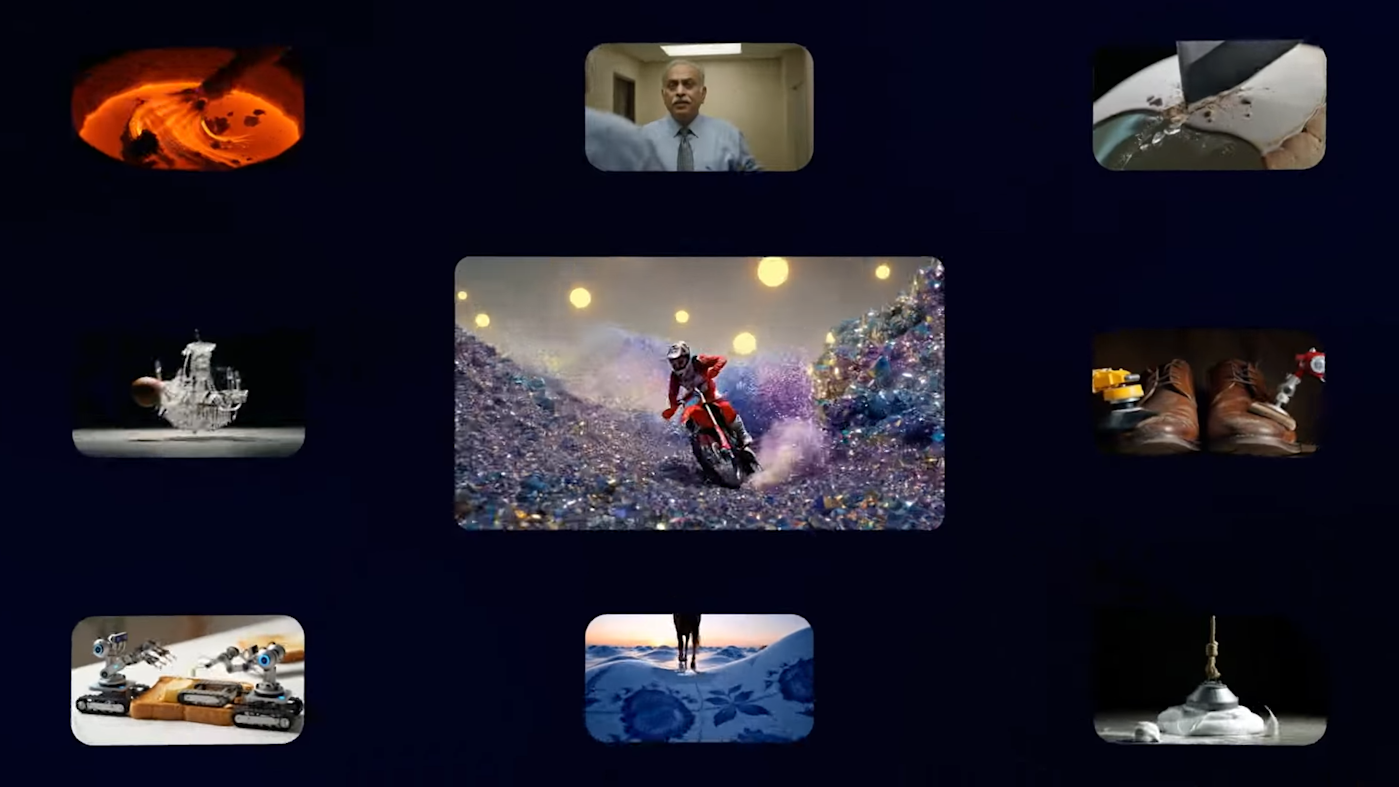
Sample videos produced with Veo 3.0 exhibited a somewhat artificial or uncanny appearance, with quality varying based on the prompt or subject matter. Although Veo 3.1 does not yet match the photorealistic standards set by competitors like OpenAI’s Sora 2, it represents a meaningful step forward. Google’s focus on making Veo a practical tool for video professionals-rather than a generator of low-quality social media content-signals a promising direction for AI-driven video creation.
Looking Ahead: The Future of AI-Powered Video Editing
As AI models like Veo continue to evolve, the integration of image-to-video conversion with audio synthesis and precise prompt interpretation is poised to revolutionize digital content creation. With Veo 3.1, Google is setting the stage for more intuitive, efficient, and creative workflows that cater to both amateur and professional video makers alike.