
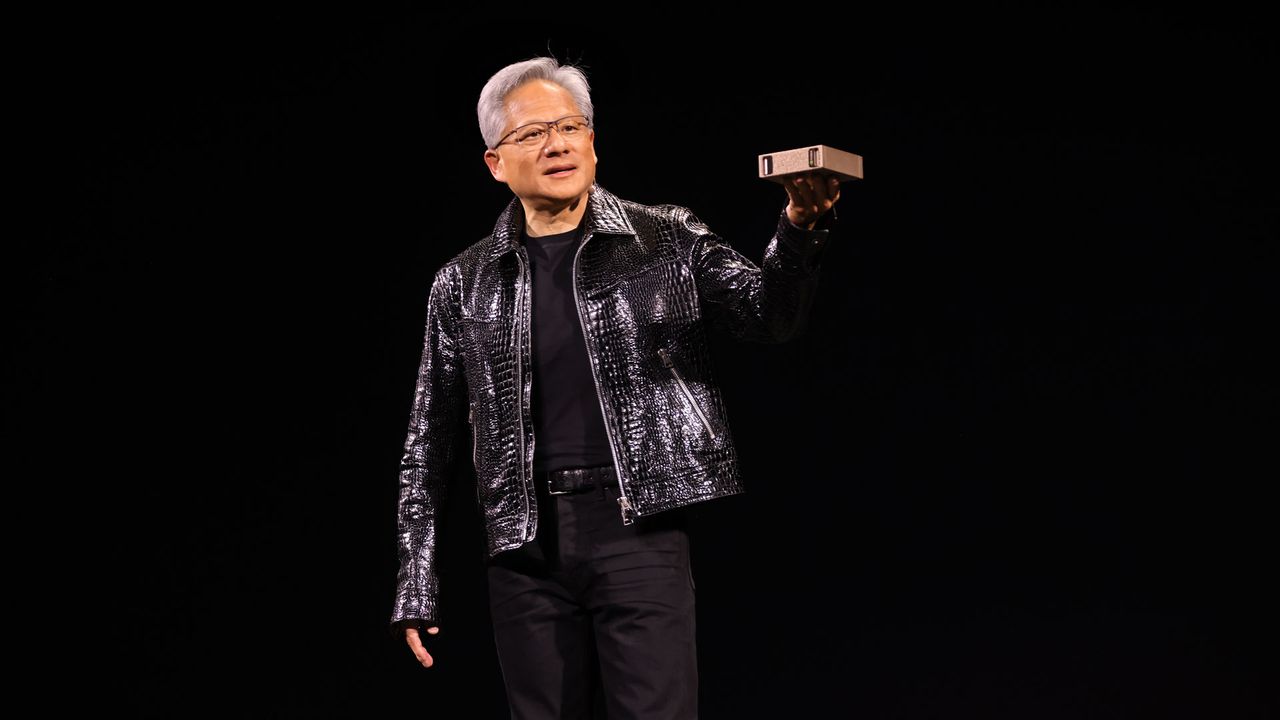
Jensen Huang’s Unrivaled Influence in the AI Hardware Landscape
Jensen Huang, the CEO of Nvidia, wields extraordinary influence in the AI hardware sector-so much so that tech giants like Google and Amazon inform him about their AI chip developments before making public announcements. Nvidia’s GPUs have become the indispensable core powering today’s AI innovations, cloud infrastructures, and data center operations worldwide.
The Indispensable Role of Nvidia GPUs in AI Advancement
In the rapidly evolving AI ecosystem, Nvidia’s graphics processing units (GPUs) serve as the foundational technology enabling breakthroughs in machine learning, natural language processing, and large-scale data analysis. Their unparalleled performance and scalability have made them the preferred choice for AI researchers and enterprises alike, cementing Nvidia’s position as a critical enabler of AI progress.
Despite increasing efforts by competitors such as AMD and Intel to capture market share, Nvidia’s technological lead remains formidable. AMD continues to close the gap gradually, but Intel’s AI GPU initiatives are still considered peripheral in comparison. This dominance underscores the challenge for other players to disrupt Nvidia’s stronghold on AI hardware.
Why Amazon and Google Defer to Jensen Huang
Even as Amazon and Google invest heavily in developing proprietary AI chips to reduce reliance on external suppliers, they maintain a unique professional courtesy by briefing Jensen Huang ahead of their public disclosures. This practice highlights Huang’s stature as a central figure in the AI hardware domain.
Industry insiders reveal that this deference stems from the fact that the cloud computing operations of these companies are deeply intertwined with Nvidia’s GPU supply. Their AI workloads, which often require millions of GPUs, depend on Nvidia’s technology to function at scale.
Massive Demand and Collaboration Scale
The scale of Nvidia’s GPU demand is staggering. For instance, collaborations between OpenAI and Nvidia reportedly involve the deployment of four to five million GPUs. Similarly, the GB300 AI server, produced in partnership with Quanta, has seen orders described as “unprecedented” by company executives. Such volumes illustrate why even the largest cloud providers cannot bypass Nvidia’s ecosystem without engaging Huang directly.
The Future of AI Chip Competition and Market Dynamics
The concentration of AI GPU power within Nvidia raises important questions about the sustainability and competitive balance of the market. Should Amazon and Google successfully scale their in-house chip designs, the current equilibrium could shift, potentially reducing Nvidia’s dominance over time.
However, the entrenched reliance on Nvidia’s GPUs for massive AI workloads suggests that any transition will be gradual and complex. The company’s entrenched position as the “AI GPU Godfather” means that rivals must navigate a landscape where Huang’s influence remains a pivotal factor.
Implications for the Tech Industry
This scenario exemplifies how a single company’s technological leadership can shape the strategies and collaborations of even the largest industry players. It also highlights the challenges of diversifying supply chains in a sector where performance and scale are critical.
Additional Insights
- Explore the latest advancements in AMD’s graphics card lineup and their impact on AI workloads.
- Discover the best MiniPCs optimized for AI development and edge computing.
- Learn about emerging AI-powered shopping experiences, including seamless purchasing through conversational agents.