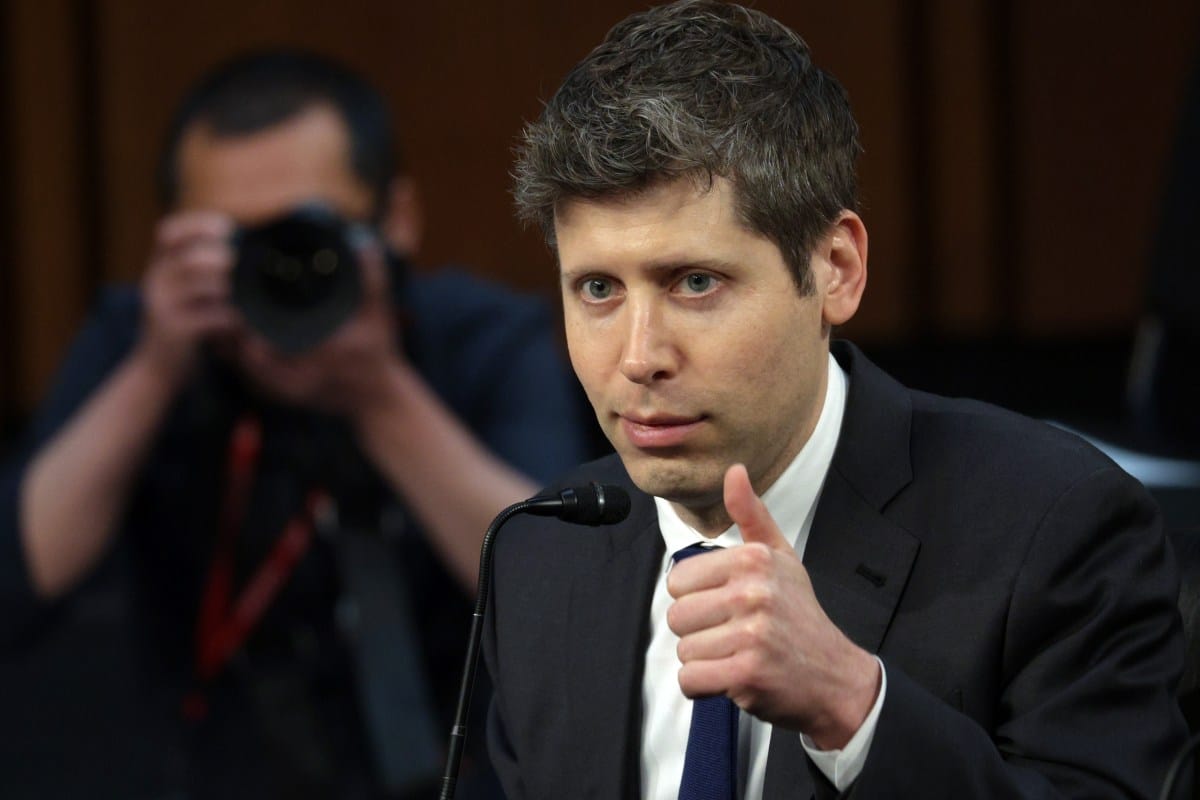
The company announced on Tuesday that ChatGPT study mode is a new feature within the artificial intelligence bot which aims to provide students with a more natural experience than just answering questions.
Whereas typing in a question or topic into ChatGPT returns a textbook-style summary, Study Mode works with students, step by step, to help them come to the correct answer on their own. Students can chat with ChatGPT to gain better clarification on things they don’t understand, as though they were working with a tutor.
Study Mode will be available for free for Plus, Pro and Team users and will launch for ChatGPT Edu in the next few weeks.
Study Mode won’t simply respond like an answer engine. Even if a student gets frustrated and wants ChatGPT to just spit out the correct answer, it’ll refuse. Instead, it’ll try to continue working with students to help them get to the correct conclusion. For faculty and parents, there aren’t admin controls at the moment, meaning students can switch back to standard ChatGPT if they really want that straight answer. OpenAI, however, is looking to increase admin controls in the future.
With the release of ChatGPT in late 2023, the academic world was hit almost immediately. Suddenly, students had a word calculator trained on massive amounts of data, with the ability to spit out essays in seconds. The temptation to get immediate answers from ChatGPT has proven to be tempting for students and has made You have plagiarism is a problem on college campuses and in classrooms. Teachers complain that students delegate the hard work of problem-solving and thinking to AI. Teachers also complain that AI is hindering the ability of students to think critically. Experts say critical thinking is important to the development of children. OpenAI CEO Sam Altman stated on Theo Von’s podcast
last week that education will need to be completely re-structuredwith the advancement of AI models. As AI models will become smarter in the future, and be able to process information faster than humans, it is important that teaching evolves with this new tool.
Disclosure: Ziff Davis (CNET’s parent company) filed a lawsuit in April against OpenAI alleging that it had infringed Ziff Davis copies rights in training and operating their AI systems.