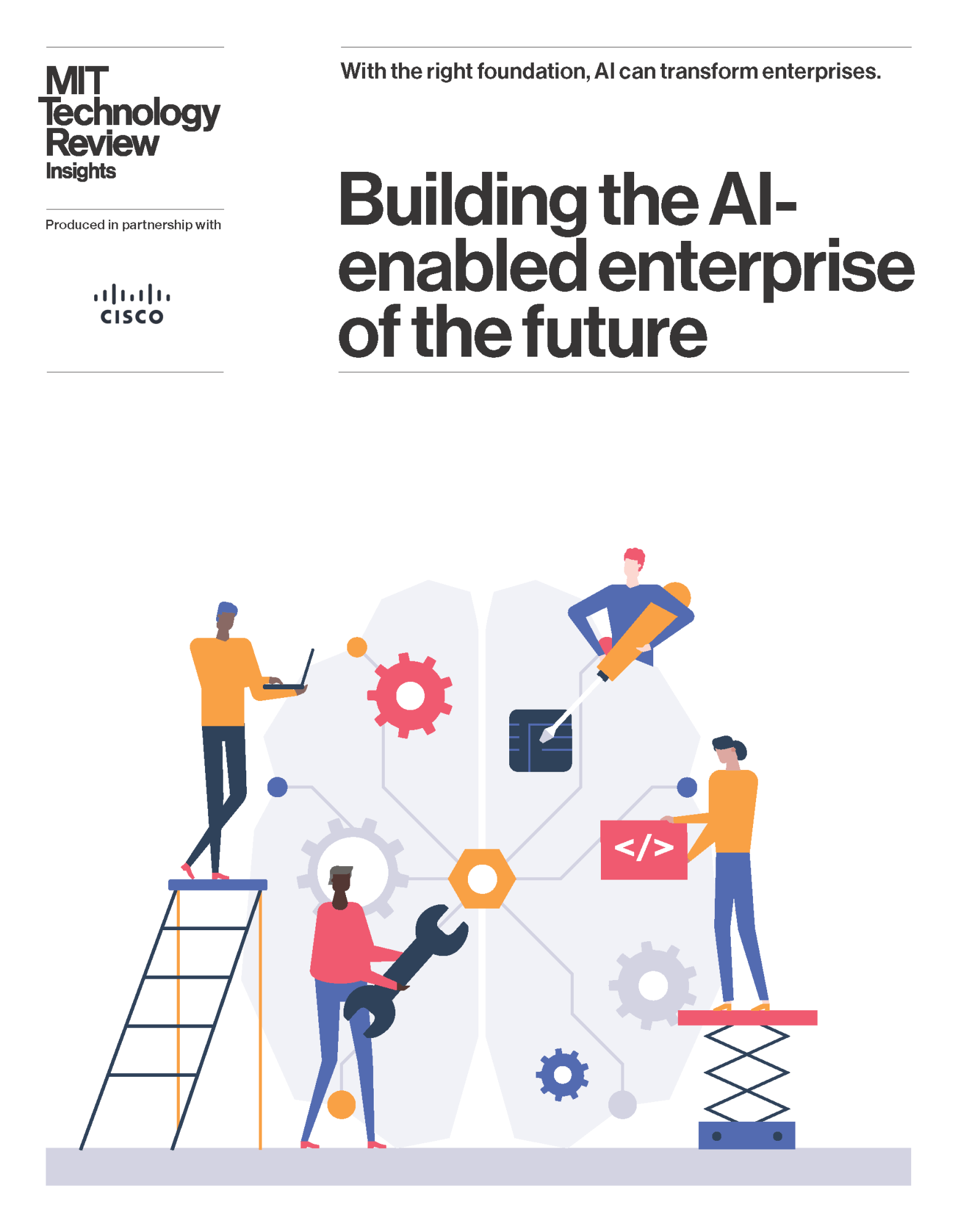
How Artificial Intelligence is Transforming Global Industries
Artificial intelligence (AI) is revolutionizing the way businesses and societies function. By automating mundane tasks, interpreting massive volumes of data, and enhancing human decision-making, AI technologies are catalyzing profound shifts across multiple sectors.
AI’s Impact on Healthcare, Supply Chains, and Innovation
In the medical field, AI-driven algorithms and machine learning models are improving diagnostic accuracy by up to 50%, paving the way for highly tailored treatment plans that cater to individual patient profiles. Meanwhile, in logistics and supply chain management, AI systems are instrumental in forecasting and mitigating disruptions, enabling companies to navigate geopolitical challenges with greater agility and maintain operational continuity.
Moreover, AI is accelerating research and development timelines by approximately 50%, while simultaneously reducing production costs by nearly 30% in sectors such as automotive manufacturing and aerospace engineering. These advancements underscore AI’s role as a critical enabler of efficiency and innovation.
Industry Leaders on the AI Revolution
Patrick Milligan, Chief Information Security Officer at Ford, highlights the unprecedented scale of AI’s influence: “We are at a pivotal moment where the full implications of AI’s transformation on businesses and society remain largely unseen.” Ford is actively integrating AI across its operations, signaling a broader trend of companies embedding AI into their core strategies.
The Urgency to Adopt AI Strategies
With AI evolving at an extraordinary pace, organizations are under immense pressure to implement AI solutions swiftly. Recent surveys reveal that 85% of companies feel they have less than 18 months to establish an AI strategy before facing adverse competitive consequences. The rapid adoption rate is evident, with AI deployments increasing by over 50% in the past year alone.
Jeetu Patel, President and Chief Product Officer at Cisco, warns against complacency: “Delaying AI adoption risks obsolescence. It’s not AI itself that threatens jobs, but competitors who leverage AI more effectively.” This sentiment reflects the growing consensus that early and strategic AI integration is essential for maintaining market relevance.
Challenges in AI Readiness and Infrastructure
Despite the urgency, only a minority of organizations feel fully prepared to harness AI’s capabilities. Approximately 68% report that their IT infrastructure is only moderately equipped to support and scale AI workloads. Key requirements include robust computational resources capable of handling complex AI models, optimized network systems both within corporate environments and data centers, and advanced cybersecurity measures to counter increasingly sophisticated cyber threats.
Equally important is the implementation of observability frameworks that provide continuous monitoring and performance analysis of AI systems, ensuring reliability and efficiency. High-quality, well-governed data across the enterprise forms the foundation of effective AI, as the accuracy and value of AI outputs are directly tied to the data inputs. Cultivating an AI-centric organizational culture and investing in talent development are also critical to sustaining AI initiatives.
Looking Ahead: Building a Future-Ready AI Ecosystem
As AI continues to reshape industries, companies must prioritize comprehensive strategies that encompass technology, data management, security, and workforce readiness. Embracing these elements will empower organizations to unlock AI’s full potential and secure a competitive edge in an increasingly AI-driven world.