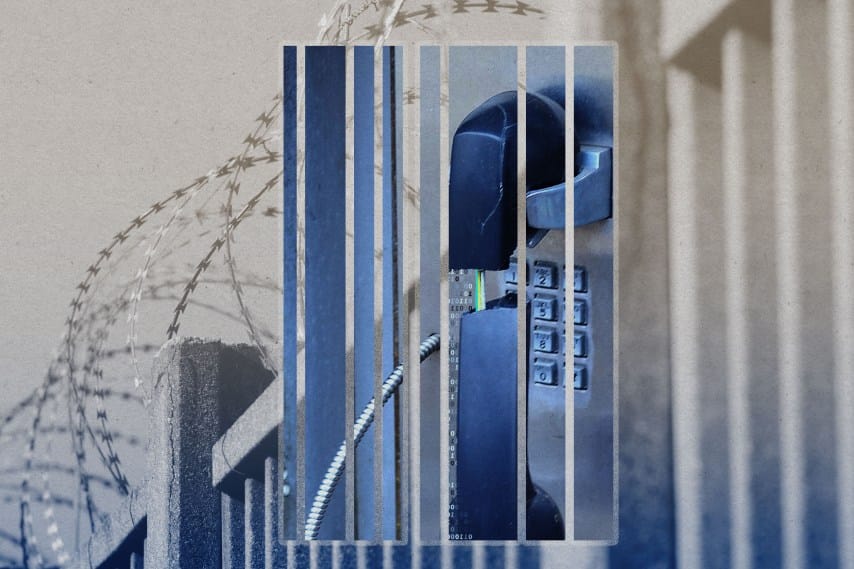
AI Surveillance in Prisons: A New Frontier in Crime Prevention
A leading US telecommunications firm has developed an artificial intelligence system trained on years of inmates’ phone and video communications. This AI is currently being tested to analyze calls, texts, and emails with the goal of anticipating and preventing criminal activities before they occur.
Building AI Models from Extensive Inmate Communication Data
Kevin Elder, president of Securus Technologies, revealed that the company initiated the development of its AI tools in 2023. Leveraging a vast archive of recorded inmate communications, the firm trained machine learning models to identify potential criminal behavior. One such model was created using seven years’ worth of calls from inmates within the Texas prison system. Additionally, Securus is working on tailored AI models for various states and counties to enhance detection accuracy.
Real-Time Monitoring and Crime Disruption
Over the past year, Securus has piloted these AI tools to monitor inmate conversations in real time. Although the company has not disclosed the exact locations of these trials, its clientele includes facilities ranging from jails housing pre-trial detainees to prisons for sentenced individuals, as well as Immigration and Customs Enforcement centers.
Elder explains, “By applying a large language model to this extensive dataset, we can identify when criminal intentions are being formed, enabling intervention much earlier in the process.” The AI scans phone and video calls, text messages, and emails, flagging suspicious content for human review. Facility investigators can target either random conversations or those involving individuals already under suspicion.
According to Elder, these monitoring efforts have contributed to thwarting human trafficking rings and gang operations orchestrated from inside prisons. The AI tools also assist in detecting prison staff involved in smuggling contraband. However, the company has not publicly shared specific cases uncovered by the AI system.
Ethical Concerns and Privacy Implications
While inmates and their contacts are informed that their communications are recorded, many are unaware that their data may be used to train AI models. Bianca Tylek, executive director of the prison advocacy group Worth Rises, highlights the coercive nature of this consent, noting that inmates have no alternative means to communicate with loved ones. Furthermore, since most states require inmates to pay for these calls, they are effectively charged for the use of their own data without compensation.
A Securus spokesperson emphasized that the AI’s purpose is not to single out individuals but to detect broader patterns and unlawful behaviors across the communication network. They also stated that correctional institutions set their own policies regarding recording and monitoring, which Securus adheres to. However, the company did not clarify whether inmates can opt out of having their communications used for AI training.
Legal and Civil Rights Challenges
Advocates have criticized Securus for past violations of inmates’ civil liberties, including unauthorized recordings of privileged attorney-client calls. Corene Kendrick, deputy director of the ACLU’s National Prison Project, warns that the new AI surveillance system represents an invasive expansion of monitoring powers, with courts imposing minimal restrictions.
Kendrick questions the efficacy and ethics of such pervasive surveillance: “Are we really going to prevent crime by scrutinizing every word and thought of incarcerated individuals? This technology is advancing far beyond current legal frameworks.”
In response, Securus maintains that the AI tool is designed to enhance monitoring efficiency amid staffing shortages and is not intended for unwarranted individual surveillance.
Regulatory Landscape and Funding Controversies
Securus’s AI initiative benefits from recent regulatory developments concerning the funding of inmate communication monitoring. In 2024, the Federal Communications Commission (FCC) implemented reforms preventing telecom companies from charging inmates for the costs associated with recording and surveillance. While call rates remain capped, correctional facilities must now cover most security expenses from their own budgets.
This shift sparked backlash from sheriffs’ associations and attorneys general in multiple states, with some facilities threatening to restrict phone access due to funding shortfalls.
During the AI tool’s development, Securus engaged with the FCC to advocate for loosening these restrictions, arguing that the 2024 reforms hindered the ability to finance essential security technologies.
In June, FCC Chair Brendan Carr, appointed by former President Donald Trump, delayed implementation deadlines for the reforms and indicated support for allowing telecom companies to recoup AI surveillance costs through inmate fees. Carr stated that relaxing the rules would promote wider adoption of advanced public safety technologies, including AI and machine learning.
On October 28, the FCC proposed new regulations to raise rate caps and permit companies like Securus to pass on expenses related to call recording, transcription, and AI analysis to inmates. Securus representatives emphasized their commitment to balancing affordability with the necessity of funding critical security tools that protect incarcerated individuals, staff, and the public.
FCC Commissioner Anna Gomez dissented, arguing that law enforcement agencies-not the families of incarcerated people-should bear the financial burden of security costs unrelated to communication services.
The FCC is currently soliciting public feedback on these proposed rules before finalizing them.