


Bernie Sanders Proposes “Robot Tax” to Address Job Losses from AI Automation
Senator Bernie Sanders is once again challenging the economic status quo, this time focusing his critique on the rapid rise of artificial intelligence and automation technologies. The Vermont senator has introduced a bold new initiative aimed at confronting what he describes as one of the most pressing economic challenges of the coming decade: the potential displacement of millions of American workers by AI-driven machines.
The Looming Threat of Automation on Employment
Sanders’ recent proposal paints a stark forecast, warning that if left unregulated, AI and automation could eliminate nearly 100 million jobs across the United States in the next ten years. This alarming projection underscores the urgency of addressing the socioeconomic consequences of technological advancement before they spiral out of control.
Widening Inequality: The Productivity-Wage Disconnect
Central to Sanders’ argument is the persistent disparity between soaring productivity and stagnant wages. Since the 1970s, technological innovations have dramatically increased worker productivity, yet the average American employee’s weekly earnings have actually declined by approximately $30 in real terms. Meanwhile, corporate profits have surged to record highs, highlighting a growing imbalance where companies and their executives reap the benefits of automation, while workers see little to no improvement in their paychecks.

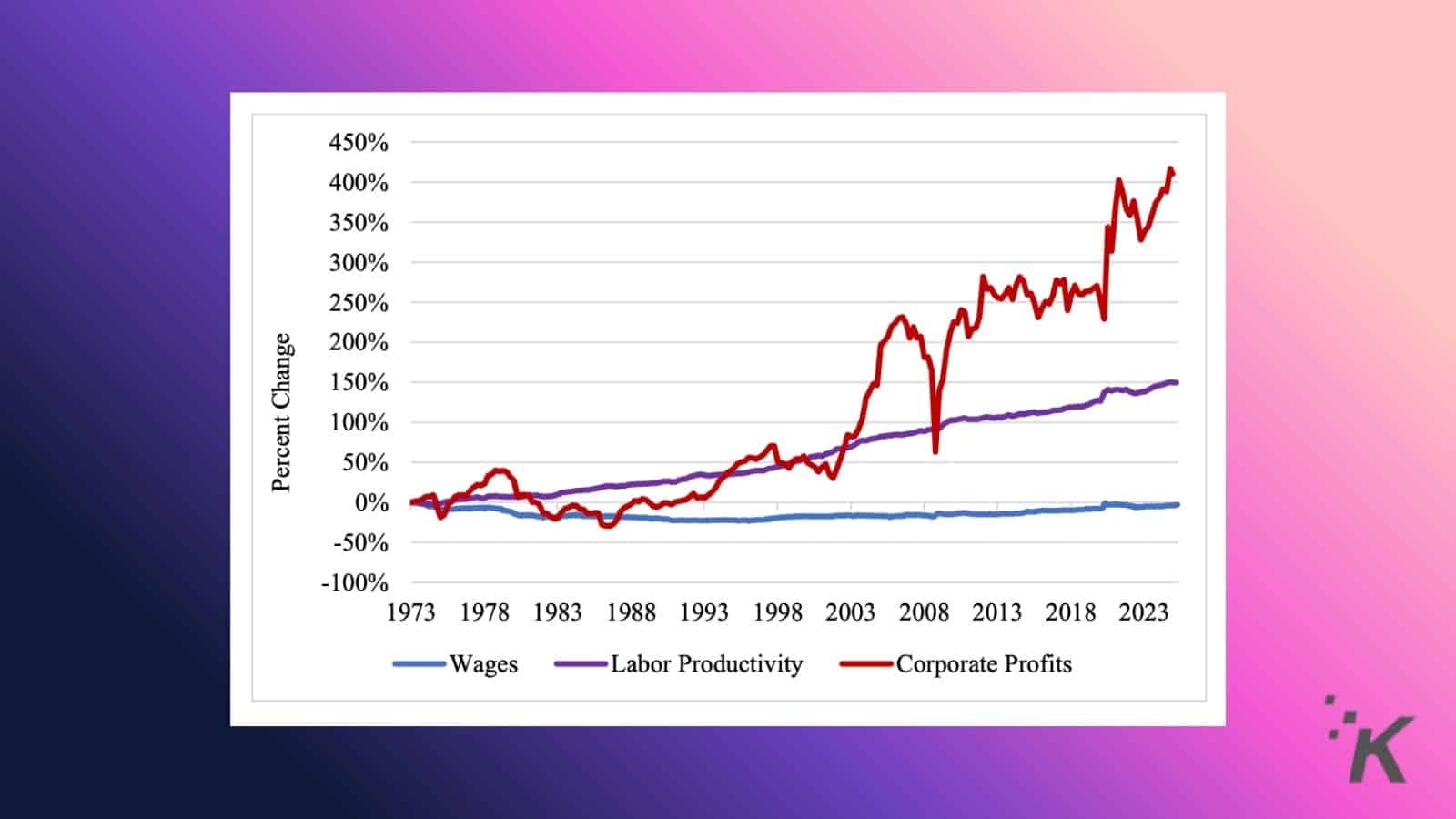
Economists refer to this phenomenon as the “productivity-wage gap,” but Sanders frames it as a fundamentally unfair system rigged against workers.
Introducing the “Robot Tax” as a Safety Net
To counteract these trends, Sanders proposes implementing a “robot tax” – a levy on companies that replace human labor with AI or automated systems. The revenue generated from this tax would be funneled into support programs for workers displaced by automation, effectively redistributing wealth from corporations benefiting from technological efficiencies back to the workforce.
This concept acts as a financial safeguard, akin to a “seatbelt” for workers navigating the fast-moving changes brought on by the automation revolution.
The plan envisions a “direct excise tax” on the use of automation technologies, ensuring that businesses contribute fairly to the social costs of workforce disruption. Notably, this idea has garnered support from other prominent figures, including billionaire Bill Gates, who has publicly advocated for taxing robots to fund worker retraining and social programs.
Debate and Skepticism Surrounding the Proposal
Critics argue that Sanders’ robot tax may not be as groundbreaking as it appears, pointing out that similar proposals have been floated by mainstream economists and tech leaders. Nonetheless, the senator’s plan aligns with broader discussions about universal basic income (UBI), though it specifically targets those directly impacted by automation rather than providing a blanket payment to all citizens.
There is also ongoing debate about the immediacy and scale of the so-called “robot apocalypse.” While AI adoption is accelerating, many companies investing heavily in automation are still facing financial losses, suggesting that widespread job displacement may not be imminent. However, Sanders emphasizes the importance of proactive measures, arguing that if automation is poised to reshape the labor market, it’s crucial to ensure that corporations contribute to the welfare of affected workers.
Looking Ahead: Preparing for an Automated Future
In his book It’s OK to Be Angry About Capitalism, Sanders stresses that as machines increasingly take on tasks traditionally performed by humans, it’s time to hold these “robotic” replacements accountable – metaphorically making them “pay union dues.” His proposal reflects a growing movement to rethink how society balances technological progress with economic justice, aiming to create a future where innovation benefits all, not just the wealthiest few.





