
Anticipated Launch of Xiaomi’s XRing O2 Chipset: What to Expect in Late 2026
Xiaomi is gearing up to unveil its next-generation flagship processor, the XRing O2, which is rumored to debut in the latter part of 2026. This upcoming chipset is expected to follow the footsteps of its predecessor, the XRing O1, but with enhanced capabilities and broader device integration.
From XRing O1 to O2: Xiaomi’s Journey in Chipset Development
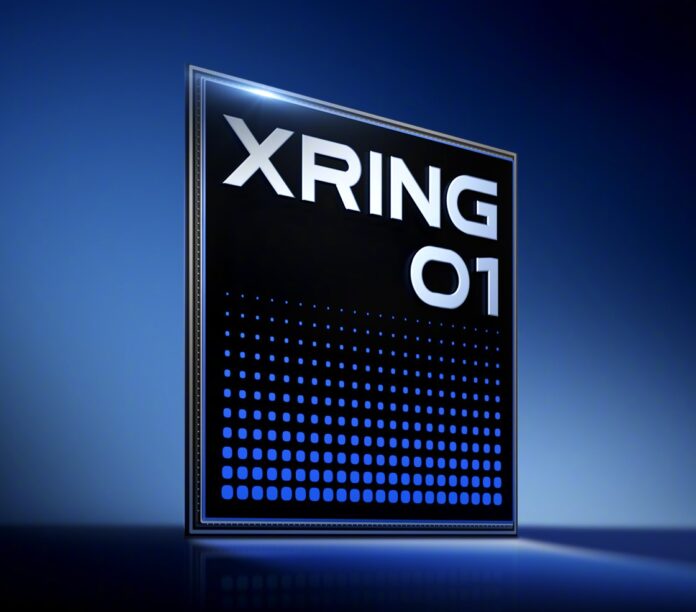
Earlier this year, Xiaomi introduced its first in-house chipset, the XRing O1, which garnered positive reviews for its performance and efficiency. Despite its acclaim, the XRing O1 was limited to powering only a handful of devices, notably the Xiaomi Pad 7s Pro and Pad 7 Ultra. Building on this foundation, Xiaomi has already commenced development on the XRing O2, aiming to expand its presence across a wider range of products.
Launch Timeline and Industry Context
According to insights from industry insider Fixed Focus Digital, the XRing O2 is slated for release around September 2026. This timing aligns closely with the anticipated launches of competing flagship processors such as MediaTek’s Dimensity 8600 and Qualcomm’s Snapdragon 8 Elite 3. Historically, major chipset manufacturers like Apple, MediaTek, and Qualcomm have synchronized their flagship releases in the fall, suggesting Xiaomi’s strategic positioning to remain competitive in the high-end market segment.
Technical Specifications and Manufacturing Challenges
While detailed specifications remain under wraps, it is confirmed that the XRing O2 will be fabricated using an advanced 3nm semiconductor process. However, this may present challenges, as rival companies are expected to transition to even more refined 2nm nodes by 2026, potentially offering superior power efficiency and performance. Despite this, Xiaomi aims to ensure that the XRing O2 matches or surpasses the competitiveness of its predecessor, with hopes of achieving wider adoption across its device lineup.
Looking Ahead: Xiaomi’s Chipset Strategy and Market Impact
The development of the XRing O2 underscores Xiaomi’s commitment to reducing reliance on external chipset suppliers and enhancing its vertical integration. By refining its in-house silicon capabilities, Xiaomi could better tailor hardware-software synergy, optimize power consumption, and deliver cost-effective solutions. If successful, the XRing O2 could mark a significant milestone in Xiaomi’s pursuit of becoming a major player in the semiconductor industry, potentially influencing market dynamics and consumer choices in the years to come.
Comparative Industry Examples
Similar to how Samsung’s Exynos chips have evolved to power a broad spectrum of Galaxy devices, Xiaomi’s XRing series aims to establish a robust ecosystem of proprietary processors. This approach not only enhances brand identity but also allows for greater control over performance tuning and feature integration, much like Apple’s tightly integrated A-series chips that power its iPhones and iPads.

