
Innovative AI Predicts Long-Term Health Risks from a Single Night’s Sleep
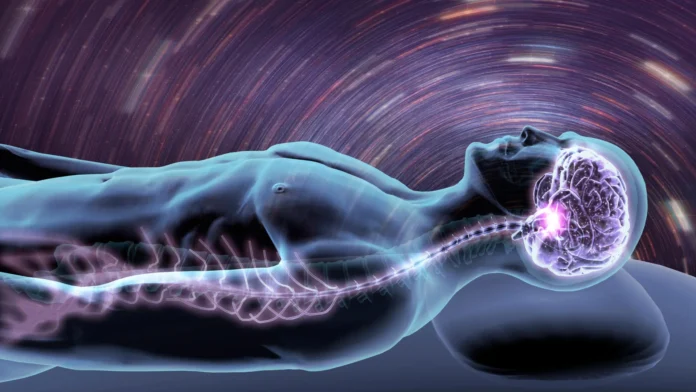
Scientists at Stanford University have created an advanced artificial intelligence system capable of estimating an individual’s future risk for serious illnesses by examining data collected during just one night of sleep. This cutting-edge technology scrutinizes intricate physiological signals, identifying subtle interactions among brain activity, cardiac function, and respiratory patterns.
Unveiling Hidden Health Indicators in Sleep
By detecting complex correlations within sleep-related biological data, the AI can anticipate the likelihood of developing major diseases such as cancer, Alzheimer’s disease, and cardiovascular disorders. This breakthrough highlights how sleep serves as a rich source of early warning signs that have traditionally been underutilized in medical diagnostics.
Transforming Preventive Medicine Through Sleep Analysis
With over 70 million adults in the United States suffering from chronic sleep problems, leveraging sleep data for health prediction could revolutionize preventive care. For example, the AI’s ability to forecast dementia risk aligns with recent studies showing that disrupted sleep patterns often precede cognitive decline by years. Similarly, subtle variations in heart rate variability during sleep have been linked to future heart disease, reinforcing the AI’s predictive power.
Future Implications and Broader Applications
This technology paves the way for non-invasive, cost-effective health monitoring that could be integrated into wearable devices or home sleep trackers. By providing early alerts, it empowers individuals and healthcare providers to take proactive measures, potentially reducing the burden of chronic diseases worldwide.

