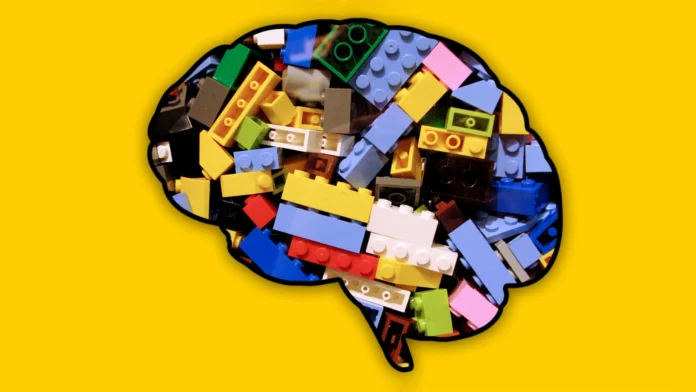
Scientists at Princeton have discovered that the brain’s remarkable learning ability stems from its use of reusable modular “cognitive units” applied across diverse tasks. Studies involving monkeys transitioning between different visual categorization exercises demonstrated that the prefrontal cortex constructs these units much like assembling Lego pieces, enabling the formation of novel behaviors. This adaptable mechanism sheds light on why humans can rapidly acquire new skills without losing previous knowledge, a challenge that many artificial intelligence systems still face. These findings hold promise for advancing AI development and creating innovative therapies for individuals with cognitive flexibility impairments.

- Home
- News
- Resources
- Work With Us
- Newsletter
- Login/Register
- Home
- News
- Resources
- Work With Us
- Newsletter
- Login/Register

