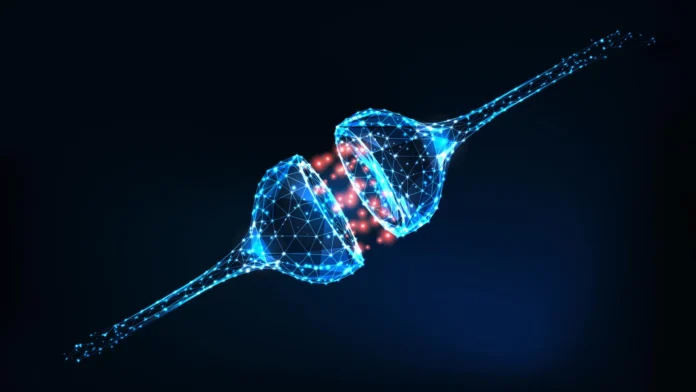
Researchers at UMass Amherst have developed a synthetic neuron utilizing bacterial protein nanowires, which mimics the behavior of natural neurons while operating at remarkably low voltages. This breakthrough enables direct interaction with living cells and significantly enhances energy efficiency. Such innovation paves the way for bio-inspired computing systems and wearable technology that eliminate the need for energy-intensive amplifiers. Potential future uses include sensors energized by human sweat and gadgets capable of extracting power from ambient environmental sources.

- Home
- News
- Resources
- Work With Us
- Newsletter
- Login/Register
- Home
- News
- Resources
- Work With Us
- Newsletter
- Login/Register

