
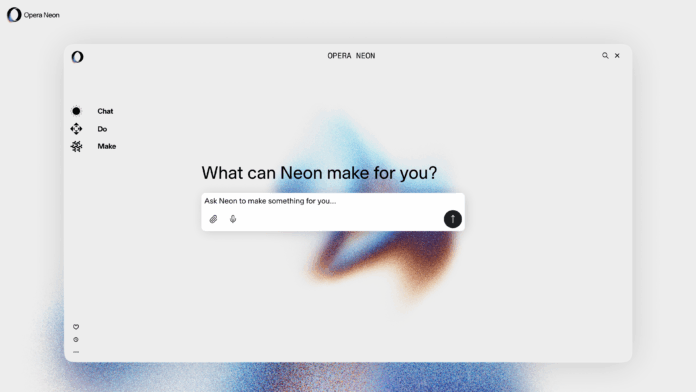
Opera’s AI-Powered Neon Browser: A New Contender in the Paid Browser Market
Recently, Perplexity expanded access to its Comet browser beyond its subscription base, though many advanced features remain behind a paywall. In a similar vein, Opera has launched its AI-centric Neon browser, but unlike some free offerings, this one comes with a monthly fee. Priced at $19.90 per month, Opera’s Neon browser aims to integrate AI deeply into the browsing experience, banking on users’ willingness to pay for enhanced automation and assistance.
Subscription Tiers and Early Access Deals
Opera is currently offering an early-adopter “Founders” package, granting access to the new Windows and Mac versions for $59.90 over three months, which then transitions to the standard $19.90 monthly fee. This pricing strategy suggests Opera’s confidence in the value of AI-driven browsing, though it remains to be seen if the market will embrace this model. The company may eventually follow Perplexity’s lead by making the browser more accessible to a wider audience.
Features: AI-Driven Tab Management and Cloud-Based Virtual Computing
Opera Neon boasts several AI-powered capabilities, including intelligent tab organization, task automation via a cloud-hosted virtual machine, and content generation spanning text, images, and video. The browser also integrates chatbots powered by OpenAI’s ChatGPT and Google’s Gemini, which can interact directly within your browsing tabs. While these features sound impressive, many require additional payments, and direct communication with the developers is offered as a premium perk, including opportunities for feature requests and exclusive invite codes.
Comparing AI Browsers: Is Paid AI Browsing Worth It?
Many users can replicate tab management and virtual computing functionalities through free tools and existing AI platforms. For those who prefer a more traditional browsing experience, Opera’s AI-heavy approach may not be compelling enough to justify the subscription cost. In fact, some users are gravitating toward alternatives like Vivaldi, a Chromium-based browser that deliberately avoids embedding AI features, emphasizing user autonomy and control over their web interactions.
Vivaldi’s Stance on AI Integration
Jon von Tetzchner, Vivaldi’s CEO, expressed skepticism about AI’s role in browsers during the launch of Vivaldi 7, stating, “We don’t believe AI is something our users want.” This perspective resonates with a growing segment of users who are wary of AI being forcibly integrated into their browsing experience. For those open to exploring AI-enhanced browsing, Opera Neon offers a waitlist for early access, but the debate over AI’s place in browsers continues to evolve.

