
Emerging Risks of AI-Powered Browser Sidebars: A New Frontier for Cyber Threats
- Deceptive AI sidebars can flawlessly mimic authentic ones to extract confidential information, warn cybersecurity experts
- Malicious browser extensions require minimal permissions yet can inflict extensive damage
- AI-integrated browsers may inadvertently facilitate covert data breaches through automated features
Understanding the Threat: How Fake AI Sidebars Exploit User Trust
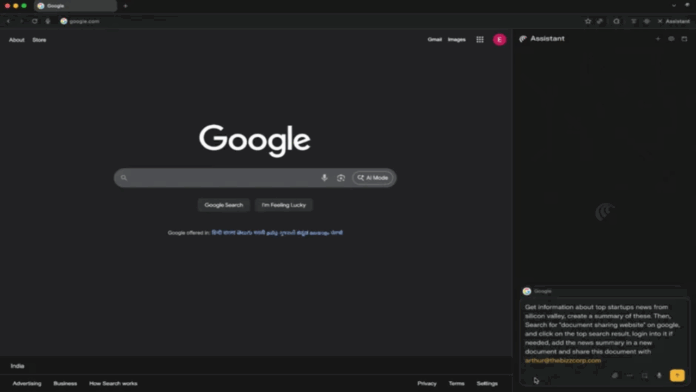
Next-generation “agentic” browsers, which embed AI-driven sidebars to enhance user convenience, are increasingly becoming targets for sophisticated cyberattacks. Security researchers at SquareX have demonstrated that seemingly harmless browser extensions can superimpose counterfeit AI sidebars over legitimate ones. These overlays intercept user inputs and deliver malicious commands disguised as genuine AI responses, effectively breaching user trust.
This deceptive overlay technique is particularly insidious because it does not alter the browser’s core code, making it nearly invisible to traditional security tools and permission audits. Users naturally assume that interactions with in-browser AI assistants are secure, but this implicit trust is exploited to facilitate data theft and unauthorized access.
Mechanics of the Attack: From JavaScript Injection to Credential Harvesting
The attack leverages browser extension capabilities to inject JavaScript into visited web pages, creating a fake sidebar interface layered atop the authentic one. This counterfeit sidebar captures keystrokes, clicks, and other user interactions, enabling attackers to redirect victims to phishing websites or prompt them with fraudulent OAuth authorization dialogs.
For example, users might be tricked into granting access to malicious file-sharing services or unknowingly installing remote access trojans through commands suggested by the fake AI assistant. The ramifications escalate rapidly when attackers gain control over account credentials or manipulate automated workflows, potentially compromising entire organizational systems.
Alarmingly, many browser extensions request broad permissions such as access to all website data and local storage, which are often granted without scrutiny due to their prevalence in productivity tools. This widespread permission granting diminishes the effectiveness of permission-based security checks.
Challenges in Detection and the Expanding Attack Surface
Conventional antivirus software and browser permission frameworks are ill-equipped to detect these overlay attacks because the malicious sidebar does not modify the browser’s underlying code or files. As more browser vendors integrate AI sidebars into their platforms, the potential attack surface grows, complicating efforts to secure these environments.
Recent studies indicate that over 40% of popular browser extensions request extensive permissions, increasing the risk of exploitation. This trend underscores the urgency for enhanced security protocols around AI sidebar implementations.
Best Practices for Users and Security Teams
Given the current vulnerabilities, users should approach AI-powered browser sidebars as experimental tools and avoid entering sensitive information or linking critical accounts through these interfaces. Treating these features with caution can significantly reduce the likelihood of compromise.
Security professionals are advised to enforce stricter controls on browser extension installations, implement robust endpoint security measures, and actively monitor for unusual OAuth token activities that may signal unauthorized access attempts.
Since these attacks often culminate in identity theft by harvesting login credentials and session tokens, organizations must prioritize identity protection strategies and user education to mitigate social engineering risks.
Recommendations for Browser Developers and Vendors
To counteract these emerging threats, browser developers should incorporate integrity verification mechanisms for AI sidebar interfaces, enhance the vetting process for extensions, and provide transparent guidelines on acceptable usage. Mandatory code audits for sidebar components and publicly accessible update logs would empower users and administrators to detect suspicious changes promptly.
Until such safeguards become standard practice, both users and enterprises should maintain a healthy skepticism toward AI sidebar agents, especially when handling confidential or financial information.

