
Building Sustainable African Startups: Moving Beyond the Hustle Mentality
The Limitations of Hustle-Driven Growth
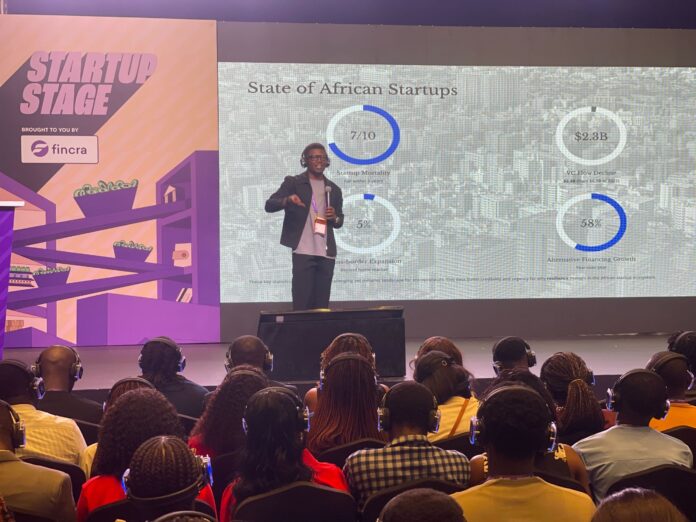
In the early stages of launching a startup, relentless hustle often fuels initial momentum. However, for African startups aiming to scale and endure, relying solely on this approach is insufficient. Olumide Okubadejo, Head of Product at Sabi, emphasized during a recent industry event that while hustle ignites a business, it is the establishment of robust, scalable systems that ensures longevity, especially amid economic uncertainties and market fragmentation.
From Scrappy Beginnings to Structured Growth
Okubadejo highlighted the necessity of transitioning from a “work all night” mentality to implementing formal governance and operational frameworks. “Hustle has no clock-in or clock-out time,” he noted, “but founders must soon prioritize governance structures that enable sustainable growth beyond the initial scrappy phase.” This shift is critical given that approximately 70-80% of African startups operate without external funding, with infrastructure challenges cited as a leading cause of failure within the first five years.
Recent data underscores this urgency: funding for African startups declined by nearly 23% in 2024, dropping from $2.86 billion in 2023 to $2.21 billion. This contraction makes it imperative for startups to develop resilient systems capable of weathering financial and operational shocks.
Case Study: Sabi’s Evolution and Infrastructure Insights
Okubadejo shared Sabi’s journey as a prime example of adapting to infrastructure realities. Initially launched as a B2B marketplace, Sabi quickly identified that success depended on more than just market understanding-it required solid logistics, reliable financing, and a product that functioned seamlessly. “We realized that all these components could be digitized into a comprehensive infrastructure,” he explained.
Today, Sabi has transformed into a platform that facilitates supply chain traceability and compliance, serving markets in Zimbabwe and South Africa. This evolution enables African products to meet stringent international standards, opening doors to Western markets and enhancing export potential.
Turning Market Fragmentation into an Infrastructure Opportunity
Rather than viewing Africa’s fragmented markets as a barrier, Okubadejo urged entrepreneurs to see this as fertile ground for building essential infrastructure. “Fragmentation signals a need for infrastructure innovation,” he asserted, encouraging founders to leverage this complexity as a competitive advantage rather than a hindrance.
Why Prolonged Hustle Can Hinder Growth
One common pitfall Okubadejo warned against is remaining in hustle mode too long. Startups with thousands of customers often cling to scrappy tactics that worked in early days but become unsustainable as the business expands across regions and borders. “Failure often stems from an inability to transition from hustle to structured operations,” he said.
Embracing Adaptability and Compliance for Long-Term Success
Okubadejo’s advice to African entrepreneurs is to prioritize flexible systems and sustainable practices over short-term gains. “A company must critically evaluate its business model and be willing to pivot when necessary,” he emphasized. This mindset fosters resilience and positions startups to thrive amid changing market dynamics.
Moreover, he reframed compliance not as a regulatory burden but as a strategic asset. “Compliance becomes your foundation,” Okubadejo explained. Early integration of compliance protocols enables businesses to scale internationally with confidence, meeting global standards that unlock new markets.
Innovative Financing Beyond Venture Capital
Given the current funding landscape, Okubadejo encouraged startups to explore alternative financing methods beyond traditional venture capital. Debt financing, inventory financing, and working capital loans are gaining traction as viable options to support growth without diluting ownership. This diversification of funding sources is crucial in an environment where venture capital availability is tightening.
Conclusion: The Path to Thriving in Africa’s Diverse Markets
While hustle remains a vital ingredient for launching startups, the future belongs to those who invest in durable infrastructure and adaptable business models. Okubadejo concluded with a call to action: “We cannot simply build products; we must build thoughtful, resilient systems that enable sustainable success.” This approach will distinguish startups that merely survive from those that scale and flourish across Africa’s complex and evolving markets.

