

Japan’s Groundbreaking Legal Action Against AI-Generated Image Use
Emerging Legal Concerns Over AI-Created Visual Content
As generative AI technologies like Stable Diffusion gain widespread popularity for creating digital art, legal systems worldwide grapple with how to regulate their outputs. While most copyright disputes have targeted the developers of AI software, a recent case in Japan marks a rare instance where an individual user faces potential criminal charges for directing AI to reproduce a copyrighted image.
Details of the Japanese Case and Its Implications
According to reports from Japanese authorities, a 27-year-old man is under investigation for allegedly instructing Stable Diffusion to generate an image closely resembling a protected work. The Chiba Prefecture Police have recommended prosecution, signaling a stringent stance on AI-related copyright violations at the user level. This case is notable as it represents one of the first times a user-not the AI tool’s creator-has been formally accused of infringement in Japan.
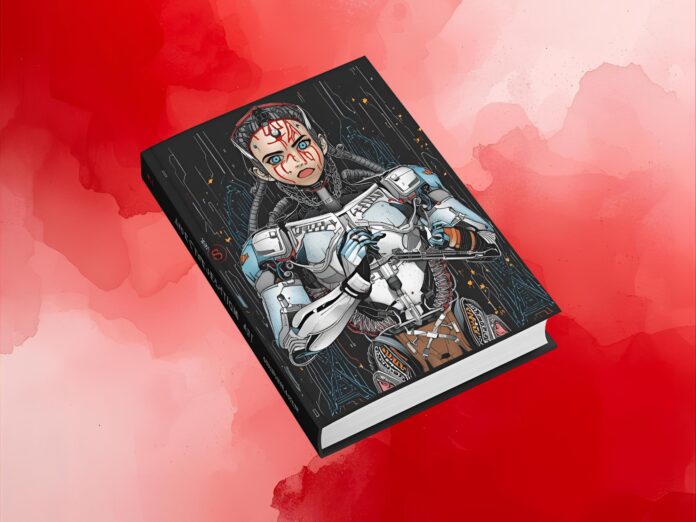
While the specific copyrighted image involved has not been publicly disclosed, the individual reportedly submitted approximately 20,000 prompts to the AI system, eventually using one of the generated images as a book cover sold commercially. Legal experts suggest that the prosecution will hinge on whether the user’s intent to replicate a copyrighted work can be proven, a factor that could influence the outcome significantly.
Global Perspectives on AI and Copyright Enforcement
Internationally, courts have taken varied approaches to AI-generated content. In the United States, judicial rulings have consistently held that works created solely by machines lack copyright protection, emphasizing the necessity of human authorship. Meanwhile, in the United Kingdom, Getty Images’ recent lawsuit against an open-source AI image generator was dismissed, underscoring the challenges of enforcing copyright claims against AI developers.
These precedents contrast with Japan’s emerging legal framework, where authorities appear willing to hold end users accountable for directing AI to infringe copyrights. This divergence highlights the evolving and complex nature of intellectual property law in the age of artificial intelligence.
Potential Impact and Future Legal Landscape
If the Japanese court proceeds with prosecution and rules against the defendant, it could establish a significant legal precedent, influencing how AI-generated content is regulated not only in Japan but potentially across other jurisdictions. The case raises critical questions about the balance between innovation and intellectual property rights, especially as generative AI tools become more accessible to the public.
As of 2025, with generative AI usage surging-over 30 million active users worldwide according to recent industry reports-clarity in legal standards is increasingly urgent. Stakeholders from creators to consumers await definitive rulings that will shape the responsible use of AI in creative industries.

