
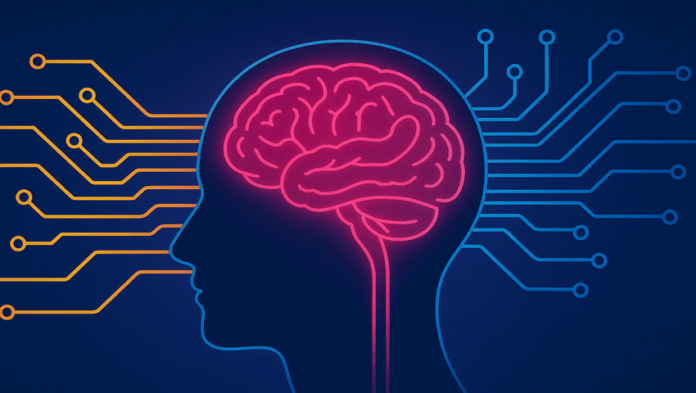
Understanding the Distinction Between Memory and Reasoning
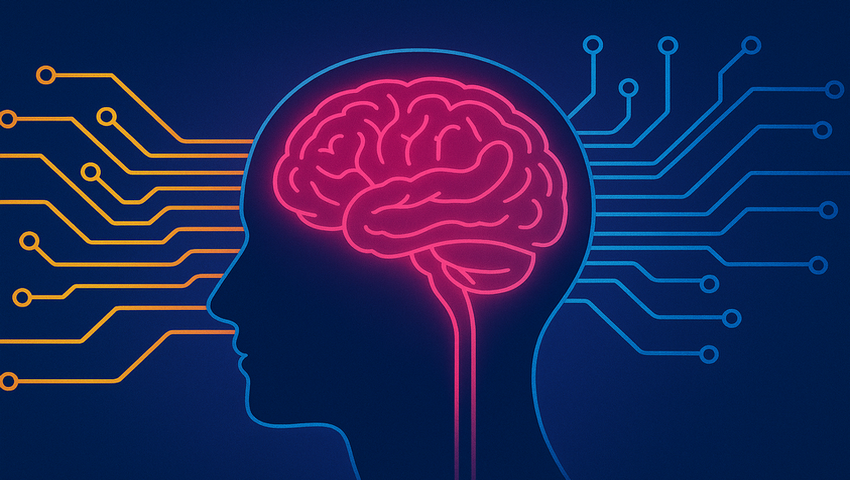
Defining Memory and Its Role in Cognition
Memory serves as the brain’s repository for storing and retrieving information. It enables individuals to recall past experiences, facts, and learned skills, forming the foundation for knowledge accumulation. For instance, remembering a phone number or recalling historical dates relies heavily on memory functions.
The Function of Reasoning in Problem-Solving
Reasoning, on the other hand, involves the mental process of analyzing information, drawing conclusions, and making decisions. It is essential for interpreting data, solving complex problems, and adapting to new situations. For example, deducing the best route to avoid traffic or evaluating the pros and cons of a business strategy exemplifies reasoning in action.
How Memory and Reasoning Interact
While memory and reasoning are distinct cognitive abilities, they often work in tandem. Effective reasoning depends on the retrieval of relevant memories, and memory can be enhanced through reasoning strategies. Recent studies indicate that individuals who actively engage in reasoning tasks tend to develop stronger memory retention, highlighting the symbiotic relationship between these faculties.
Practical Applications and Modern Insights
In today’s fast-paced world, understanding the balance between memory and reasoning is crucial. Educational programs increasingly emphasize critical thinking skills alongside memorization to prepare learners for complex challenges. Additionally, advancements in artificial intelligence mimic these cognitive processes, with memory databases supporting reasoning algorithms to improve decision-making accuracy.

