
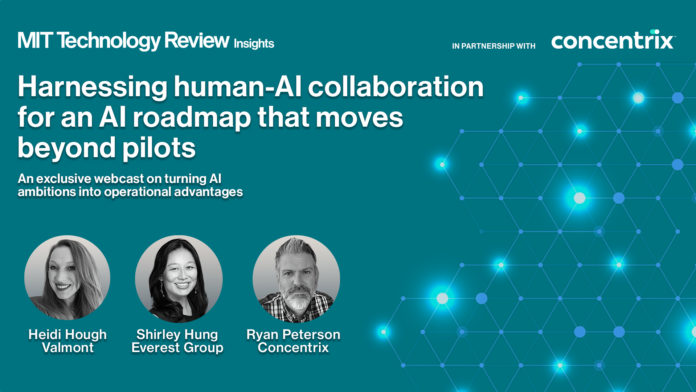
Transforming AI Integration in Enterprises: From Experimentation to Impact
Over the last year, the dialogue surrounding artificial intelligence within businesses has shifted dramatically. While enthusiasm for AI experimentation remains high, many organizations are grappling with the challenge of moving beyond pilot projects to fully operational AI solutions. Despite record levels of investment, a significant portion of companies find themselves trapped in a cycle of trials without achieving scalable, measurable outcomes.
Addressing the Root Causes of AI Implementation Stagnation
Shirley Hung, a partner at Everest Group, highlights a common predicament she terms “PTSD” – an acronym for process, technology, skills, and data obstacles. Many enterprises are hindered by inflexible and disjointed workflows, incompatible technology stacks, and talent focused on routine, low-value activities rather than strategic innovation. Additionally, organizations often face an overwhelming influx of data without a cohesive framework to integrate and leverage it effectively.
Reimagining the Synergy Between People, Processes, and Technology
The core issue lies in redesigning how human resources, operational processes, and technological tools interact. Across diverse sectors-from enhancing customer service to optimizing agricultural machinery-traditional hierarchical structures and siloed data systems are proving inadequate for harnessing the full potential of AI. To truly capitalize on AI’s capabilities, leaders must rethink decision-making protocols, workflow execution, and the unique contributions humans bring to the table.
Human Oversight: The Essential Component of AI-Driven Workflows
Ryan Peterson, EVP and Chief Product Officer at Concentrix, emphasizes the critical role of human verification in AI outputs. The future of AI in business hinges on operationalizing collaboration between humans and machines, not treating AI as an isolated tool or a mere “virtual employee.” This paradigm shift involves viewing AI as an integrated system that enhances human judgment, speeds up processes, and transforms workflows end-to-end.
Building Trustworthy AI Systems Through Governance and Data Security
Heidi Hough, VP for North America aftermarket at Valmont, advises organizations to anticipate delays in AI deployment due to the necessity of securing data and establishing robust governance frameworks. Starting AI initiatives with governance as a foundational element ensures better outcomes and smoother commercialization of AI capabilities.
Practical Steps Toward AI Maturity: Lessons from Early Adopters
Leading companies are demonstrating effective strategies by focusing on low-risk, operational AI applications, creating well-defined data environments, embedding governance into daily decision-making, and empowering business leaders-not just IT teams-to identify AI opportunities that deliver tangible results. This approach is shaping a new model for AI maturity, centered on fundamentally redesigning enterprise operations.
From Optimization to Innovation: Unlocking New Possibilities with AI
Hung succinctly differentiates between optimization and reimagination: while optimization improves existing processes, reimagination uncovers entirely new avenues for value creation. This mindset is crucial for organizations aiming to leverage AI not just for incremental gains but for transformative breakthroughs.
Current Trends and Future Outlook
According to recent industry reports, over 60% of enterprises are now prioritizing AI governance and human-AI collaboration frameworks as key components of their digital transformation strategies. For example, a leading global logistics firm recently implemented AI-powered decision support systems that combine machine learning insights with expert human judgment, resulting in a 25% increase in operational efficiency within six months.
As AI technologies continue to evolve rapidly, businesses that embrace a holistic, integrated approach-balancing automation with human expertise and strong governance-will be best positioned to unlock sustainable competitive advantages.

