
Google’s AI Search Interface Now Featuring Ads: What Users Need to Know
Introduction to Ads in Google’s AI Search Experience
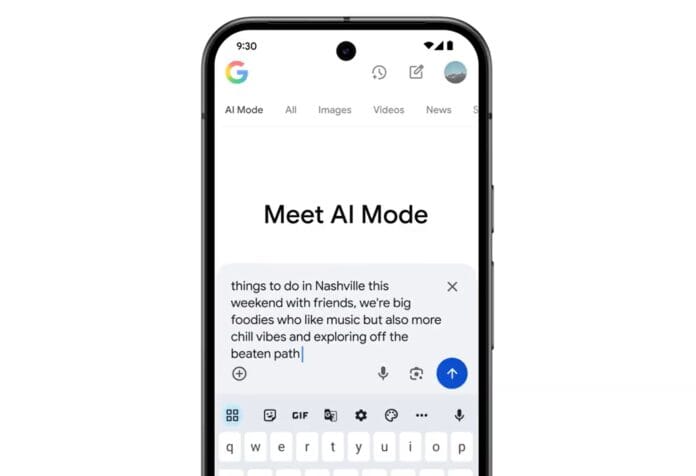
Google’s innovative AI-driven search mode, which offers a conversational, ChatGPT-style interaction, has long been praised for its clean, ad-free interface. However, starting November 20, 2023, users have begun noticing the gradual introduction of advertisements within this new search environment. This marks a significant change as Google integrates its traditional ad model into the AI-powered search experience.
Current Scope and Nature of Advertisements
At present, only a limited fraction of users and search queries display these ads. When they do appear, advertisements are positioned beneath the AI-generated direct answers and are clearly labeled as “Sponsored” to comply with advertising regulations in the United States and other countries. This approach contrasts with Google’s conventional “All” and “Web” search tabs, where sponsored results often appear prominently at the top of the page.
For example, recent observations show ads appearing just below the large language model (LLM) responses, while the sources that inform these answers are subtly indicated on the right side of the screen. On mobile devices, these source citations are even less conspicuous, often requiring users to scroll to the bottom of the page to view the original websites referenced by Google’s AI.
Google’s Official Position and Testing Phase
Following the initial reports, a Google spokesperson clarified that the presence of ads in AI Mode is part of an ongoing experimental rollout that has been in progress for several months. The company first announced this testing phase during its Google Marketing Live event earlier this year. Currently, there are no further updates regarding a full-scale deployment of ads within the AI search interface.
Challenges in Replicating Ad Displays
Attempts to reproduce the ad experience using identical search queries shared on social media platforms like Twitter have largely been unsuccessful. This suggests that the ad display may be governed by specific user flags, geographic locations, or other internal criteria that limit its visibility during this testing period.
Context: Google’s Competitive Landscape and Monetization Strategy
As one of the world’s leading technology giants, Google faces mounting competition from AI-powered tools such as OpenAI’s ChatGPT and Perplexity AI. In response, Google is aggressively developing and promoting its own AI solutions, including the Gemini project, to maintain its dominance in search and AI-assisted services.
Advertising revenue remains a cornerstone of Google’s business model, underpinning the company’s ability to offer free services to billions of users worldwide. Consequently, the integration of ads into AI Mode is a strategic move to ensure sustainable monetization as user behavior shifts toward AI-driven search experiences.
Looking Ahead: What Users Can Expect
Given the current trajectory, it is anticipated that advertisements will become more prevalent within Google’s AI search interface and its evolving Gemini platform. Users should prepare for a gradual increase in sponsored content, albeit designed to blend with AI-generated answers while maintaining transparency through clear labeling.

