
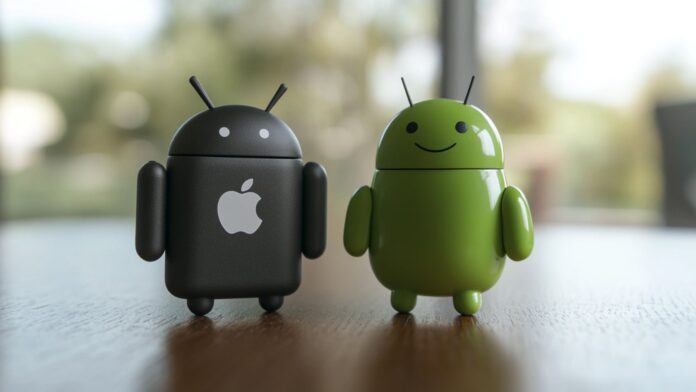
Google Quick Share and Apple AirDrop Unite for Cross-Platform File Sharing
Bridging the Gap Between Android and iOS File Transfers
Google has introduced a groundbreaking update that enables interoperability between its Android Quick Share feature and Apple’s AirDrop system. This enhancement allows users to effortlessly exchange files between Pixel smartphones and iPhones, breaking down the long-standing barrier between the two ecosystems.
Current Device Compatibility and Future Expansion
At present, this cross-platform file sharing capability is exclusive to the Pixel 10 series, marking the first step in a broader rollout. Google plans to extend support to additional Android devices in the near future, aiming to make seamless file sharing accessible to a wider audience.
Understanding Quick Share and AirDrop Technologies
Quick Share, formerly known as Nearby Share, is Android’s native wireless file transfer protocol that leverages Bluetooth and Wi-Fi Direct to send photos, videos, documents, and other media between Android devices. Conversely, AirDrop is Apple’s proprietary solution designed for file sharing among iPhones, iPads, and Macs.
Despite serving similar purposes, these systems operate on distinct technical frameworks, each with unique discovery methods, authentication processes, and data packet structures. This divergence has historically confined users to sharing files only within their respective platforms.
How Google Achieved Cross-Platform Compatibility
Google’s latest update dismantles these limitations by enabling Quick Share to communicate directly with AirDrop. This two-way file sharing functionality allows users to send and receive content securely between Android and iOS devices, starting with the Pixel 10 family.
According to Google, this feature simplifies sharing photos, videos, and documents with friends and colleagues regardless of their device brand, fostering a more inclusive communication experience.
Security Measures and Technical Innovations
Security remains a top priority in this integration. Google has implemented rigorous development protocols, including threat modeling, privacy audits, and penetration testing, to ensure the system’s resilience against vulnerabilities.
An independent cybersecurity firm, NetSPI, conducted a thorough evaluation and confirmed the robustness of the new interoperability feature, verifying that no data leaks occur during transfers.
Notably, the implementation leverages the Rust programming language to handle wireless data parsing. Rust’s memory-safe design helps eliminate entire categories of security flaws, enhancing the overall safety of the file-sharing process.
Privacy-Focused Connection Methodology
The interoperability utilizes AirDrop’s “Everyone for 10 minutes” mode, establishing a direct device-to-device link without routing data through external servers or logging intermediaries. This approach minimizes exposure and preserves user privacy.
Users must manually confirm the identity of the device they intend to connect with, emphasizing caution to avoid inadvertently sharing sensitive files with unintended recipients nearby.
Looking Ahead: Toward Enhanced User Controls
Google views this initial “Everyone” mode as a foundational step, with plans to collaborate with Apple on introducing a “Contacts Only” sharing option in future updates. This would further refine user control over file sharing permissions and enhance security.
Industry Response and Outlook
While Google has publicly announced this interoperability milestone, Apple has yet to comment on the development or its willingness to expand cross-platform compatibility. The tech community eagerly anticipates further cooperation that could redefine how mobile devices communicate.
Conclusion
The integration of Google Quick Share with Apple AirDrop marks a significant advancement in mobile file sharing, promoting convenience and security across platforms. As this feature rolls out to more devices and evolves with enhanced privacy options, users can look forward to a more unified and flexible sharing experience.

